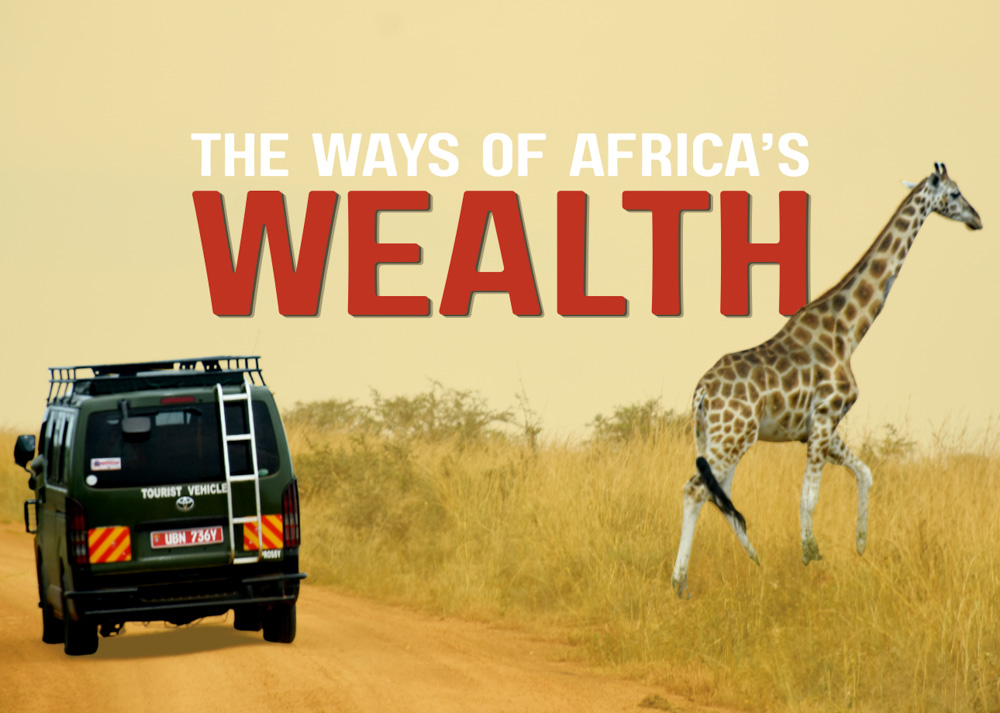
Africa’s wealth enriches many, but rarely its own citizens. In Big Brother Wildlife, a transnational team of journalists exposes how Africa’s rich natural heritage and wildlife are increasingly being fenced off — using even military-grade surveillance technology — to benefit foreign visitors, while local communities face ever-growing restrictions on the use of their own land.
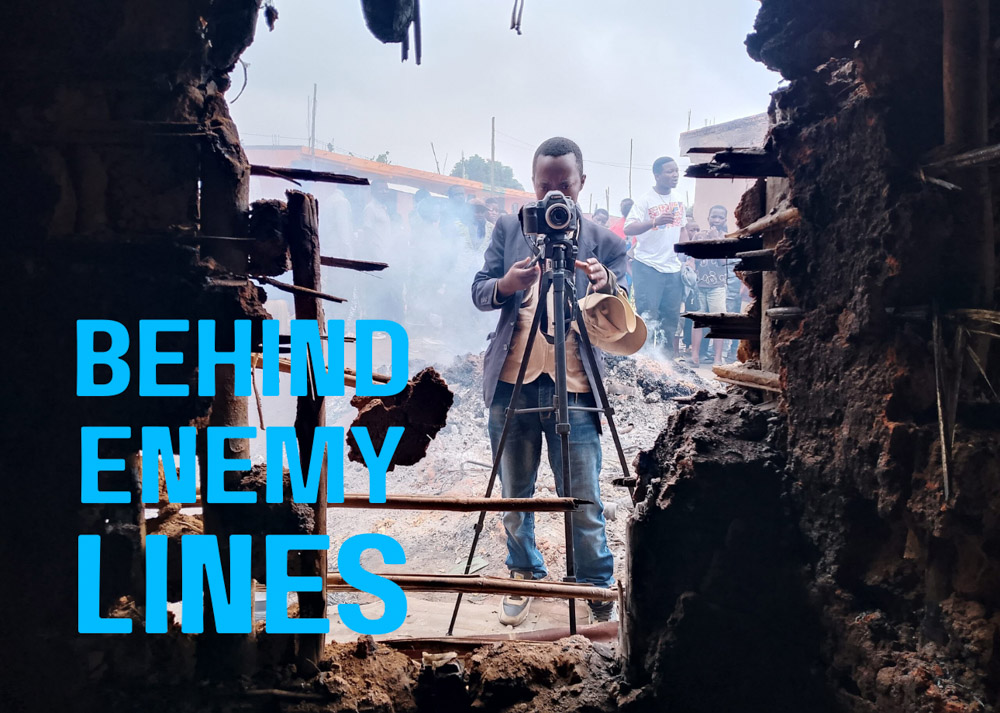
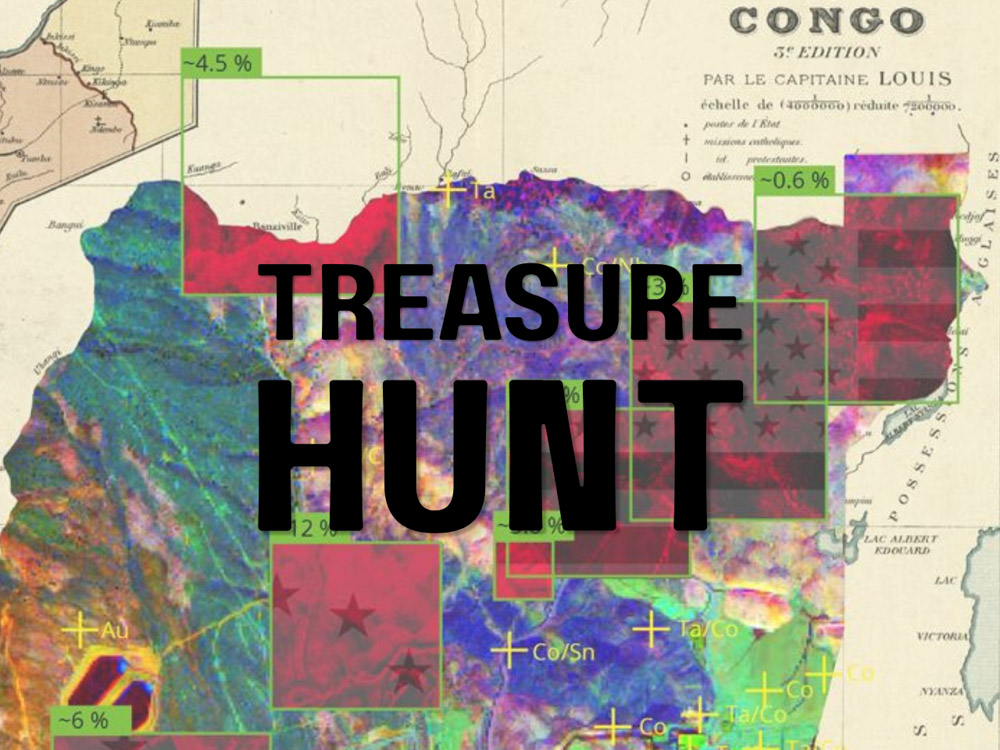
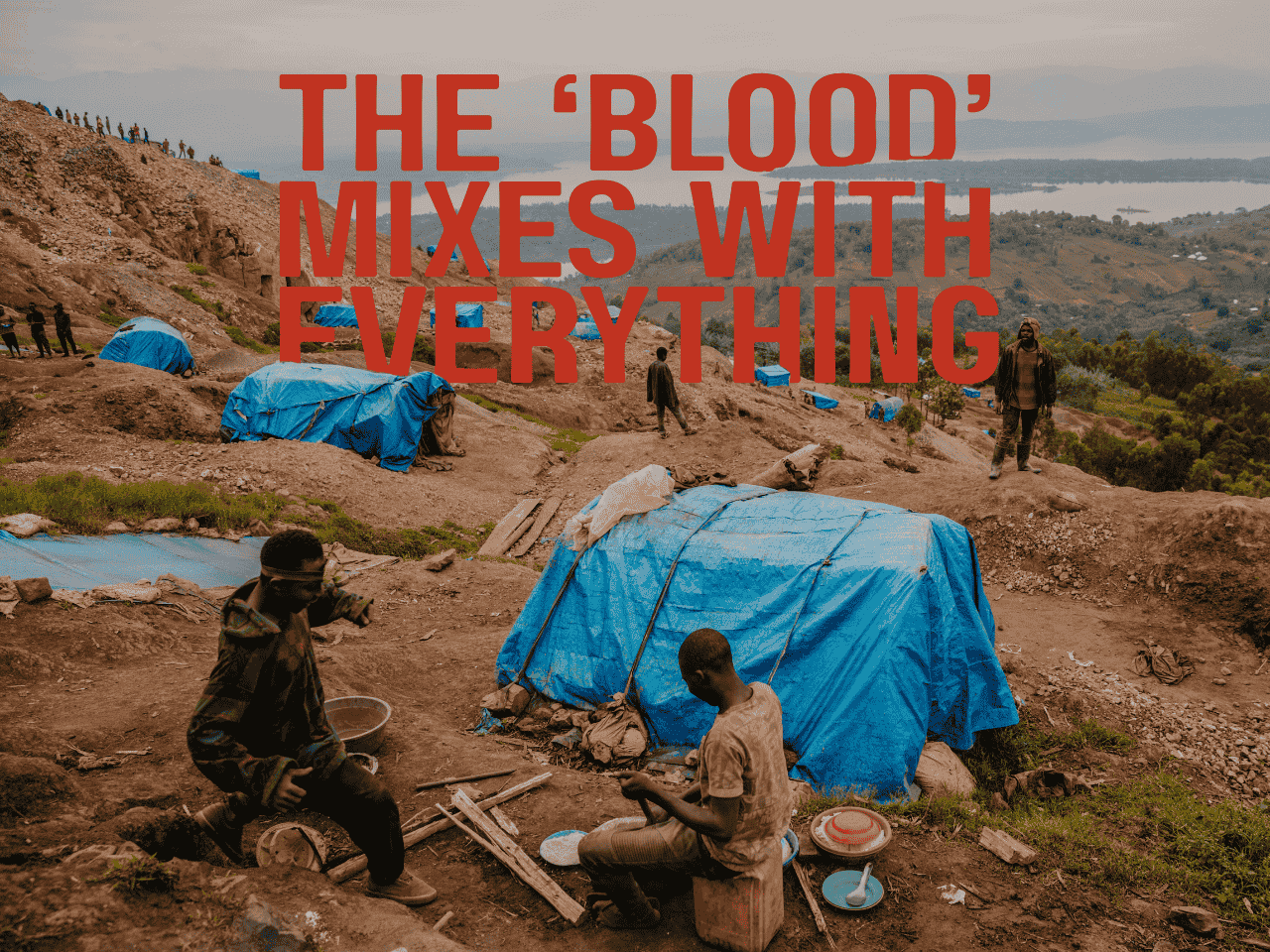
In Behind Enemy Lines, our partners at Ukweli show how the minerals of the eastern DRC, having already caused immense bloodshed, are now forcing people, including journalists, to live under occupation and in constant fear of punishment by Rwanda-backed rebels who came for the region’s resources. The other side of the coin is that these same journalists are not safe in the DRC’s capital, Kinshasa, where their own government is treating them as enemy spies. Neither in the east nor in the capital do citizens or independent media receive support from that same government, which has just concluded a major minerals deal with the Trump administration.
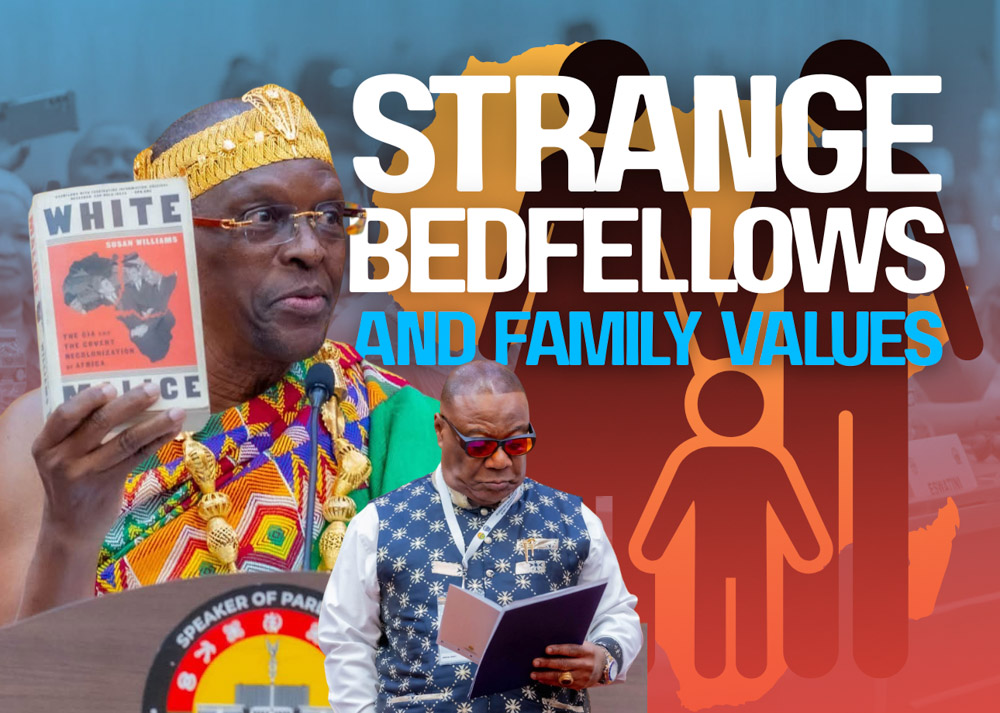
That large minerals deal, incidentally, was facilitated in part behind the scenes by an evangelical Ghanaian bishop with links to the US government. A few months later, the same bishop was seen hosting an “African Family Values” conference in Accra, where leaders from some of the continent’s most repressive countries outlined policies aimed at keeping “confused youth” under the authority of “chief and church”. The conference’s goal — beyond policing youth and restricting LGBTQI and women’s rights — was to cement their “sovereignty” over Africa’s “abundant mineral wealth”. Behind the scenes, their Trump-aligned Christian nationalist allies in the USA were cheering them on. Read our explosive story below.
On a positive note, resistance to autocracy and censorship continues to grow. In When Art Becomes Dissent, Blessing Oladunjoye reviews a report on artistic movements across the continent that are keeping the flame of free expression alive.
Team ZAM