
- Details
- By ZAM reporter
- Investigations
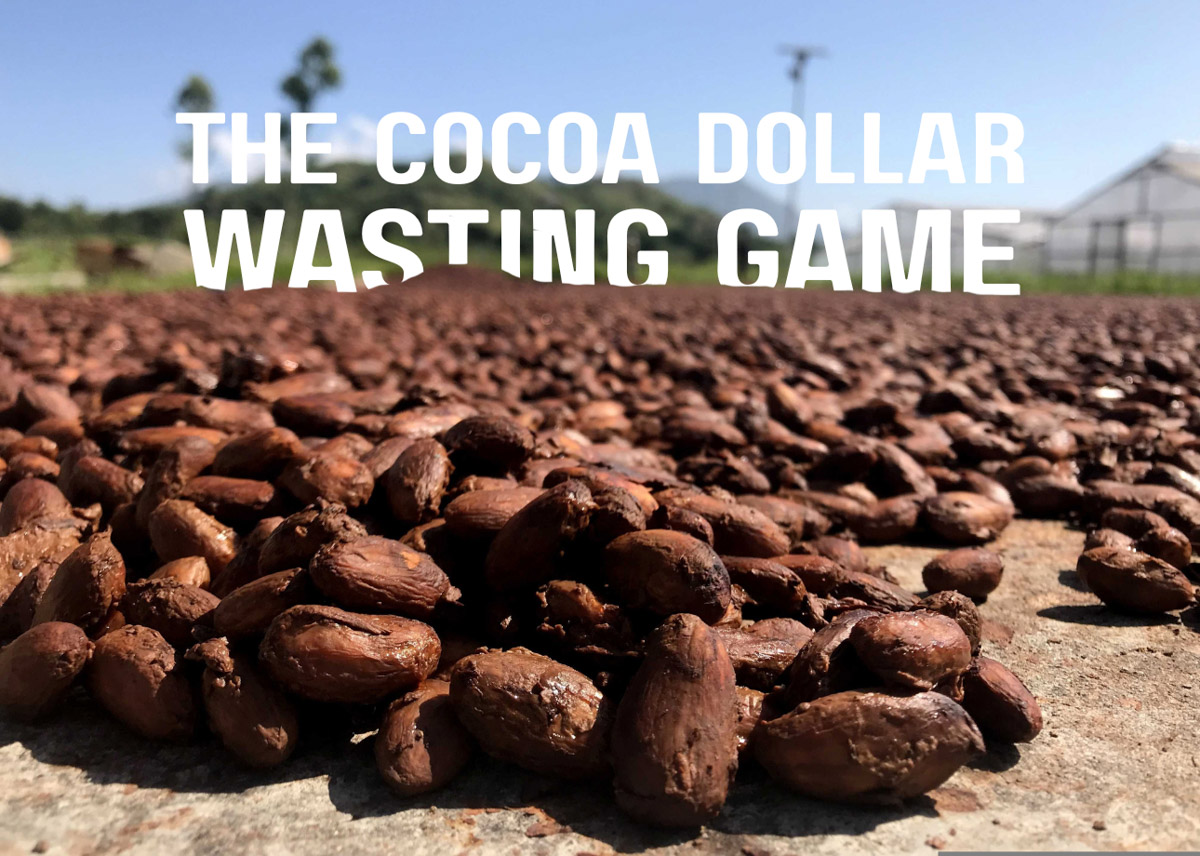
The world loves the chocolate made from Ghana’s cocoa beans. But those in charge of the cocoa revenues flowing into the West African country have been found to be responsible for major mismanagement and waste, defaulting on payments to the country’s nearly one million cocoa farmers and other sector workers, while saddling all Ghanaians with ballooning debt. “The lenders, like the IMF and World Bank, are complicit. They benefit from the status quo.”
- Details
- By Mukanzi Musanga
- Investigations
Many tech firms recruit content moderators and other personnel from across Africa to work in Nairobi, the continent’s “Silicon Valley”. But dodgy contracts and residency issues can leave migrants stranded. OpenDemocracy investigated the death of Nigerian Ladi Olubunmi and noted the comment from the Nigerian consulate on the fate of its migrant citizens: “They are not children.”
- Details
- By Mistus Elordie/ZAM
- Investigations
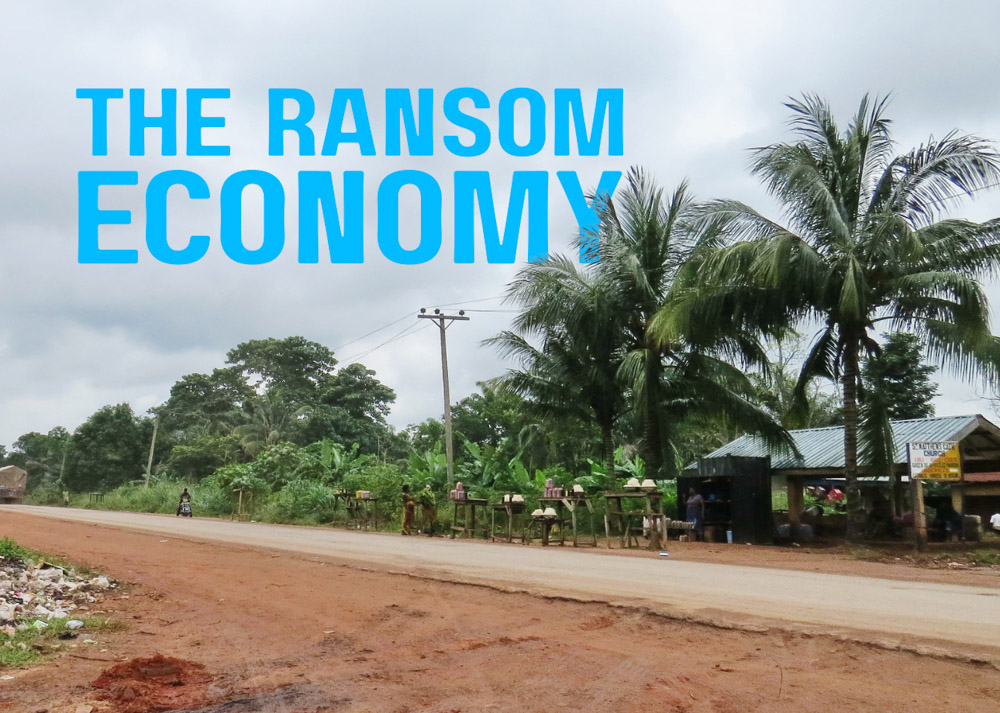
Kidnapping syndicates run rampant in Nigeria, extorting vast sums of money from victims’ families. There are measures that could be taken to fight the scourge. But state neglect and the prioritisation of unnecessary arms contracts over suitable strategy cause Nigeria to sink ever deeper into its security quagmire.

- Details
- By Theophilus Abbah, Josephine Chinele, Elizabeth BanyiTabi and Mukudzei Madenyika
- Investigations
Samantha Kureya was abducted and tortured, yet came back to continue her comedy show. Satirical performer Bon Kalindo was arrested fifteen times. Cartoonist Mustapha Bulama was slammed by Nigeria's First Lady, and the fun-poking newspaper Le Popoli recently emerged from a six-month publication ban. But their following on social media, especially among the youth, keeps increasing. A team of investigative journalists in Zimbabwe, Malawi, Nigeria, and Cameroon discovered how the power of laughter, especially laughter at authorities, is undermining "politicians who use big words to confuse the public" across the African continent.
- Details
- By Josephine Chinele
- Investigations
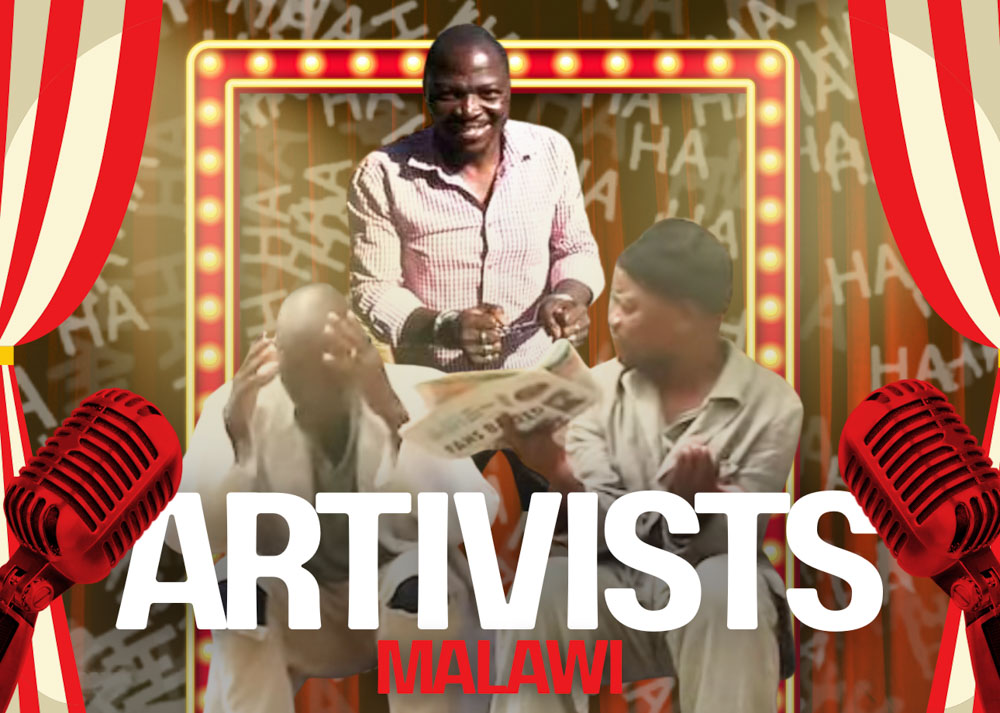
Two comedians, also anti-corruption activists, have served in Malawi's government. One quit first, then the vice president who brought him in died in a much-investigated plane crash, and the other, who had replaced the vice president, quit politics after his tenure. But still, the roar for change is swelling among the youth. Josephine Chinele explores the role comedy, especially on social media, plays in undermining the ruling political class in Malawi.

- Details
- By Mukudzei Madenyika
- Investigations
A daring contingent of young, tech-savvy content creators routinely battle censorship, arrests and worse to help increase awareness of Zimbabwe’s critical issues through humour. The wave is not confined to politics: the environment, economics and even religious beliefs are being questioned in a tsunami of YouTube, TikTok and other parody productions. But the ruling party ZANU PF, its militants and government are the butt of most jokes.

- Details
- By Elizabeth BanyiTabi
- Investigations
"Satire will never die. After six months of suspension, here we are again," headlines Le Popoli's comeback edition of 8 February 2026. The lead caption on the front page is accompanied by a drawing of a pen lying in an open coffin, as if to say: "We were buried, but we are still alive." It is a space where even humourists and artists often find themselves in notoriously media-hostile Cameroon.

- Details
- By Theophilus Abbah
- Investigations
By all accounts, the Nigerian electorate did not need to be prompted by cartoons, mockery, or musical protest to overwhelmingly vote for opposition candidates in the 2023 elections. The disgust against the "political class", its patronage system, and neglect of public services such as health, education, and security had and has become widespread in the country, increasingly fuelling not only political protests, but also armed rebellion, ethnic tension, crime, and a desire to "japa", simply migrate away altogether.
- Details
- By Emmanuel K. Dogbevi/ZAM
- Investigations
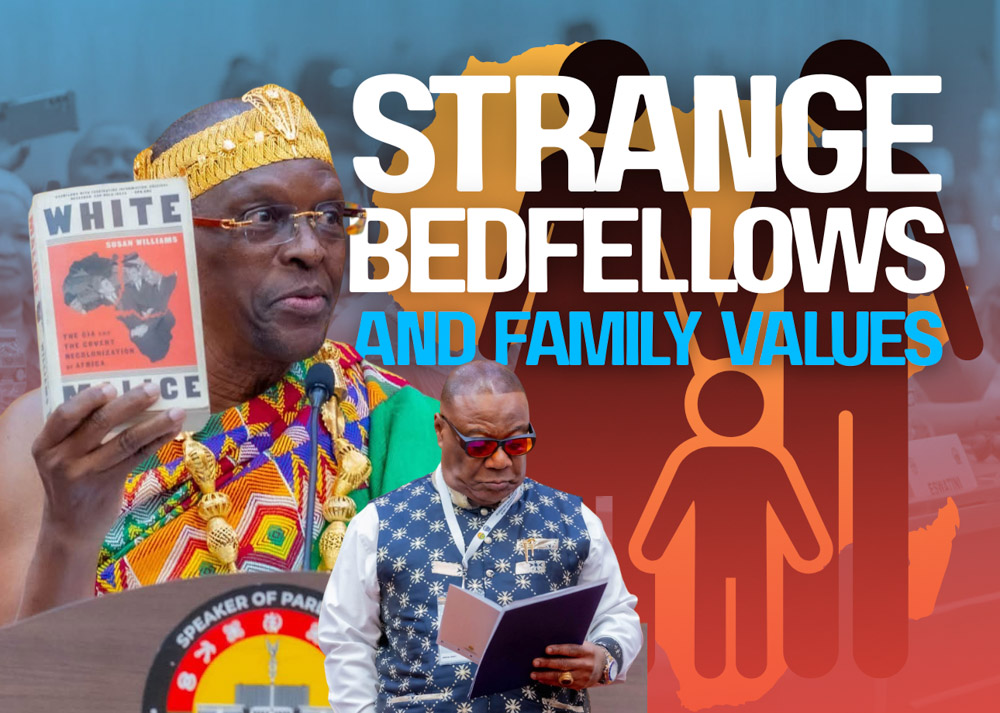
African autocrats — and the US right wing — demand “sovereignty” at a Family Values conference in Accra
- Details
- By Benon Oluka, Sam Schramski and Tulani Ngwenya
- Investigations
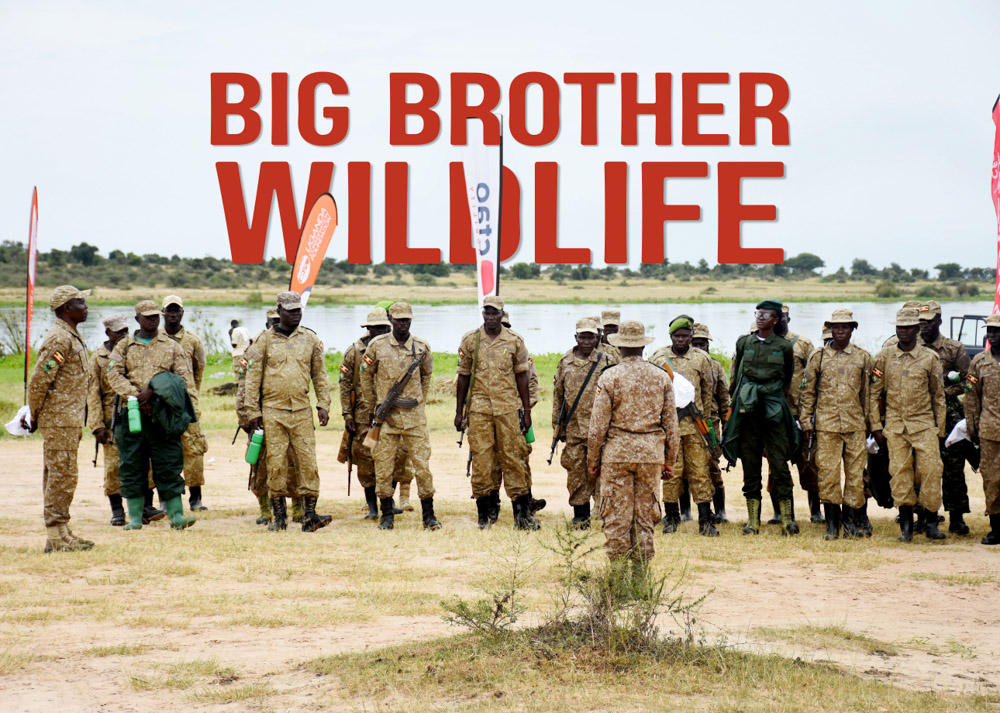
Surveillance technology designed to protect endangered species is being weaponised against communities living in natural areas across the African continent. Its repercussions range from harassment to physical violence.
- Details
- By Ukweli Coalition Media Hub/ZAM
- Investigations
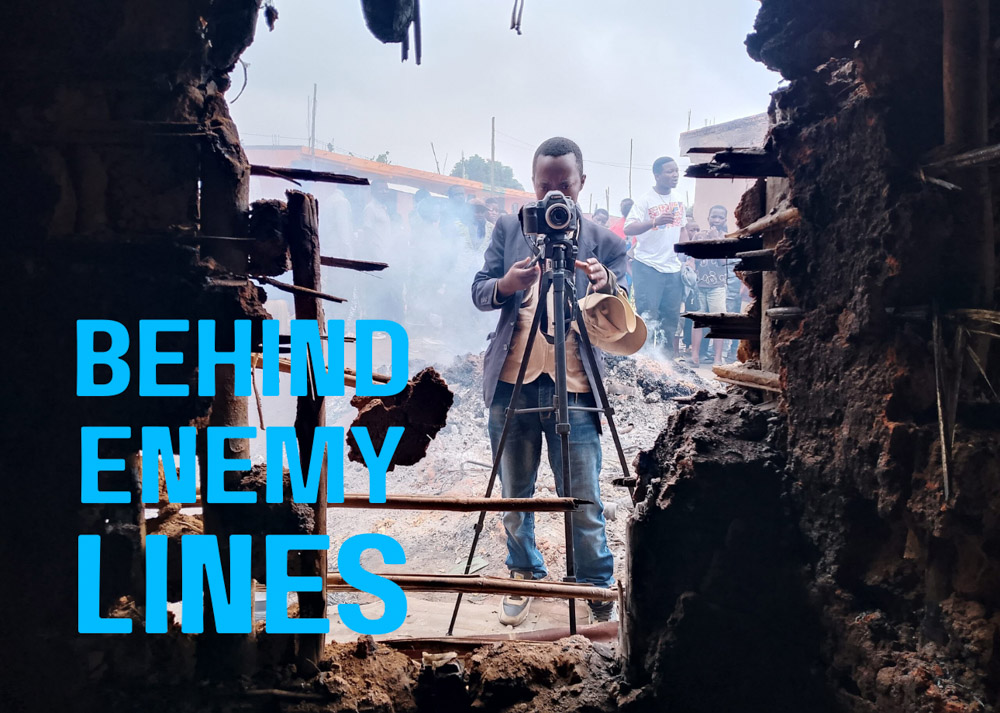
Ever since the capture of much of the eastern DRC by Rwanda-aligned rebel movements, journalists in the region have been forced to work under new, dictatorial, rulers. Amid their challenges are broadcasting bans, muzzled sources, direct threats, and self-censorship. As if that wasn’t enough, they are now also viewed with suspicion by their own DRC government and journalists’ union in the capital, Kinshasa.
- Details
- By Jack Wolf, Janvier Murairi, Quentin Noirfalisse
- Investigations
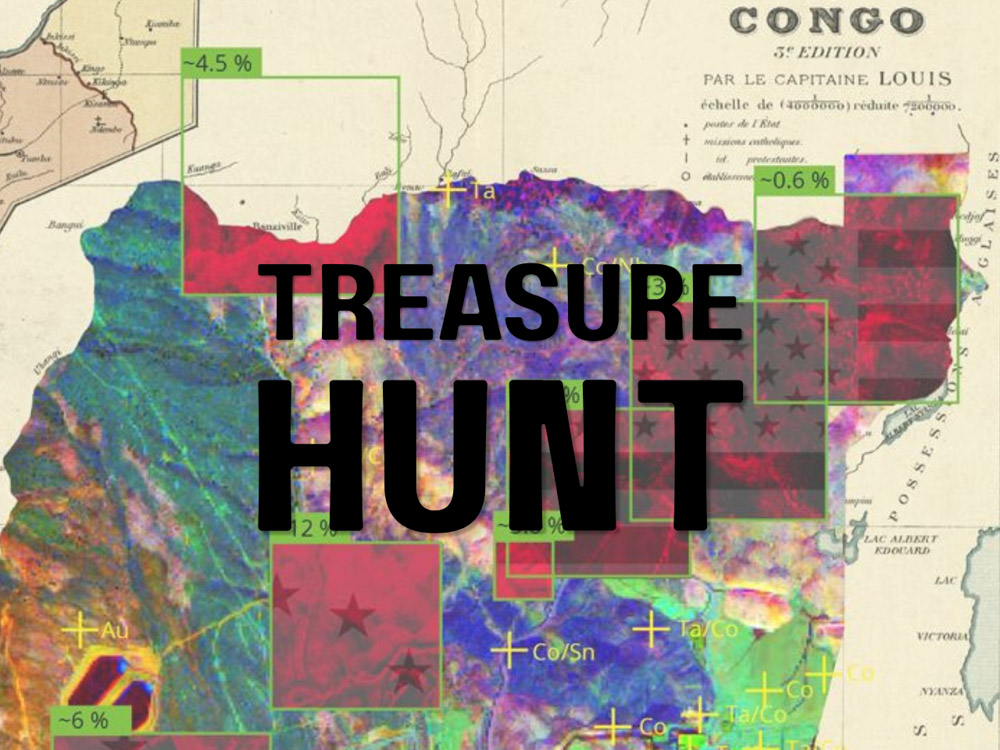
Sixty years after Congolese independence, immensely valuable data on the DRC’s mineral wealth remains in the possession of a Belgian museum rather than the Democratic Republic of Congo itself. Yet instead of reclaiming these “treasure maps”, the Congolese government now appears poised to hand them directly to the US mining firm KoBold Metals as part of a recent agreement with the administration of Donald Trump. Ironically, it is the Royal Museum for Central Africa in Tervuren, near Brussels, itself a relic of the colonial era, that now stands in the way.
- Details
- By Theophilus Abbah
- Investigations
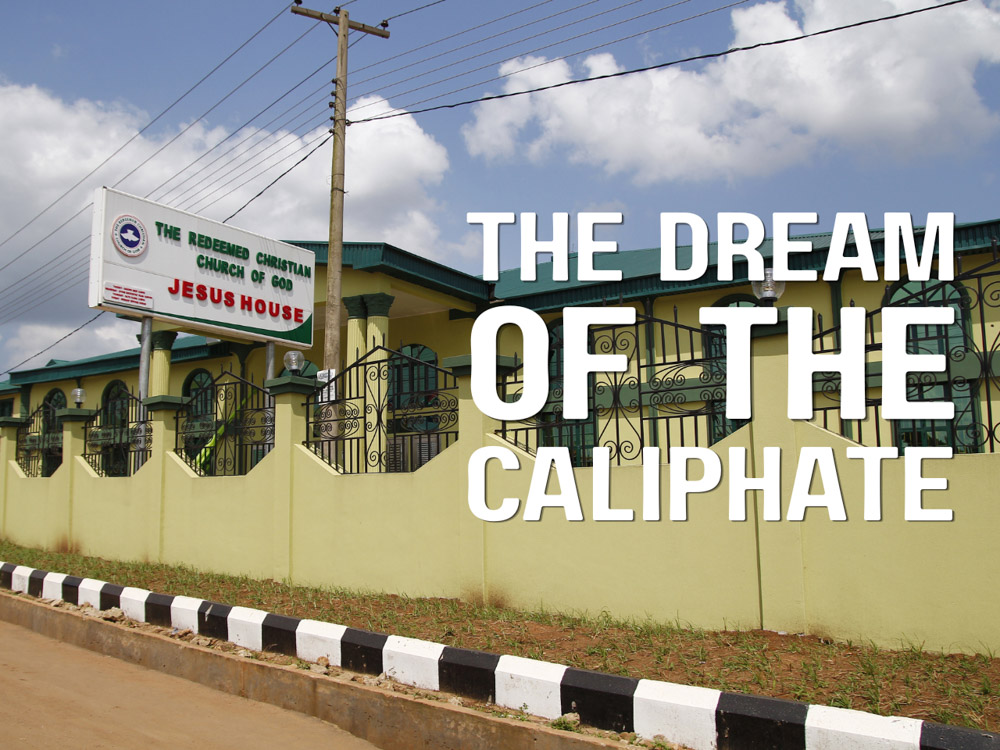
Nigeria’s army readily collaborated with the United States when Donald Trump ordered a Christmas Day 2025 missile strike against what he described as “ISIS terrorist scum” in northwestern Nigeria. It also cooperated in the more recent US-led operation that killed senior ISIS commander Abu-Bilal al-Minuki in the Lake Chad Basin. Yet the Nigerian government still refuses to call a spade a spade when it comes to what many of these Islamist militants regard as their ultimate objective: the eradication of Christians in Nigeria.
- Details
- By ZAM Reporter
- Investigations
Millions of EU money in “elections support” prop up bad African leaders
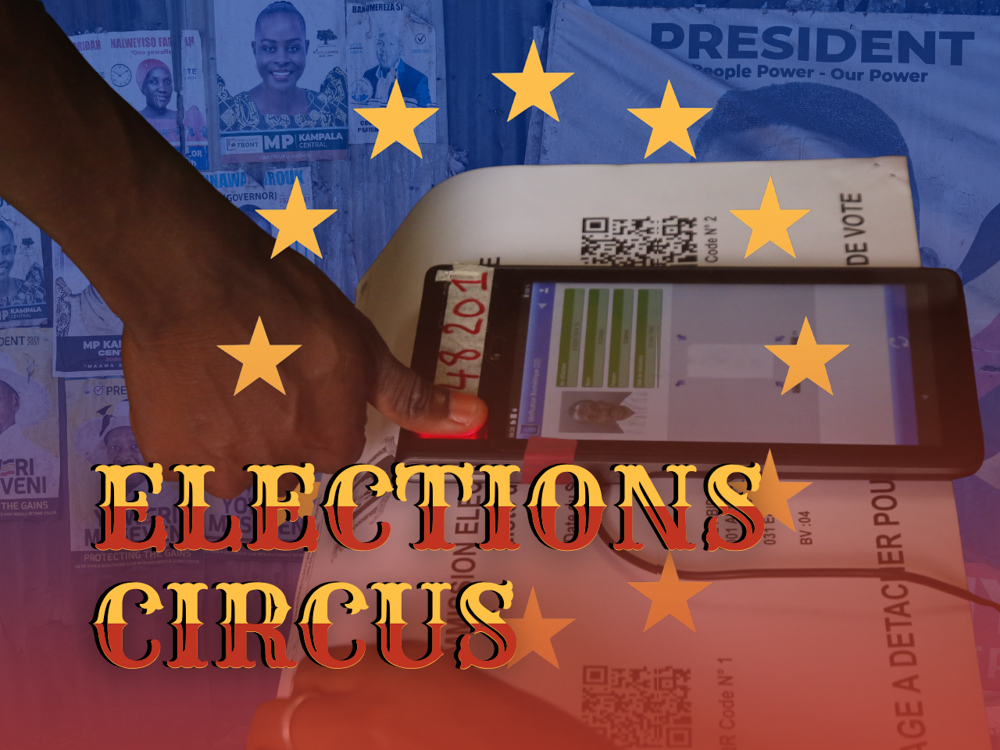
An estimated hundred+ million euros of EU taxpayers’ money, intended to support democratic elections in five African countries, has instead strengthened autocratic and corrupt leaders in these countries over the past decade. Expensive training programmes and workshops for state officials, ruling parties and police have been funded with this money, while countless “voter education” programmes continue to prop up a façade of democracy in places where even the best-educated citizens are cheated out of their votes. EU observer missions have regularly pointed out failings, but change has not followed.

- Details
- By Selay Kouassi
- Investigations
It is March 2025, seven months before the much-anticipated presidential elections. In the brightly lit conference room of the Plateau Mövenpick Hotel in Abidjan, government representatives, diplomats, political party leaders, religious figures, electoral commission officials, and civil society representatives gather to loud applause. The EU delegation to Ivory Coast has just announced a €7 million package to support violence-free and transparent elections through its programme, “Tous engagés #ElectionsSansGbangban”.
- Details
- By Theophilus Abbah
- Investigations
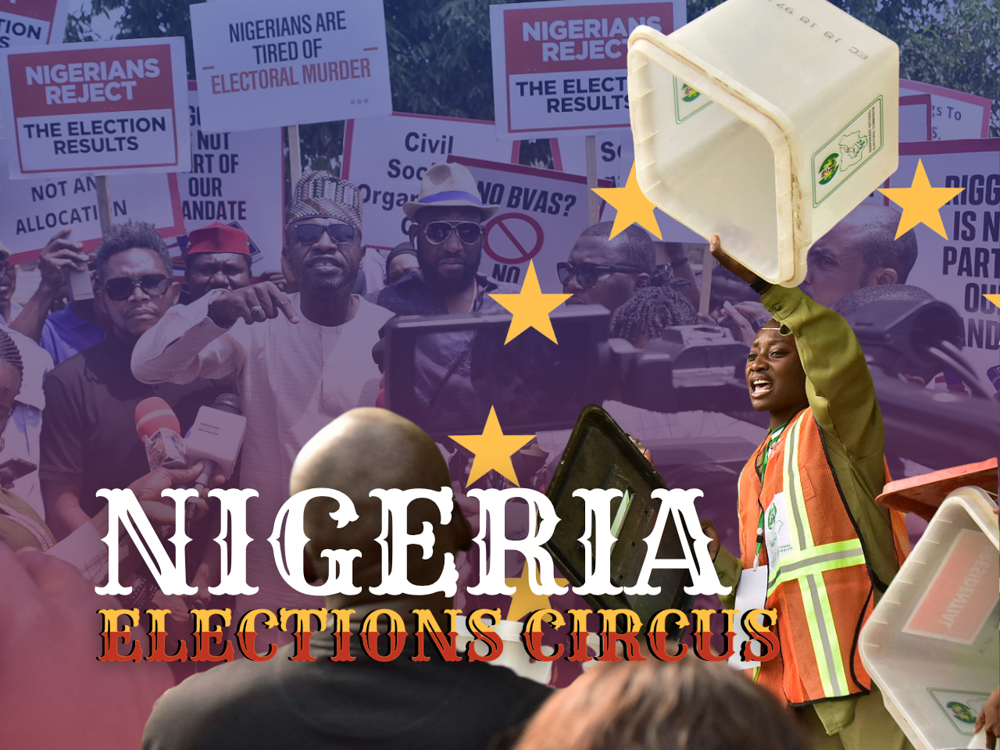
“I was so frustrated and exhausted,” Josephine Ochadamu says when asked about her experiences as an Assistant Presiding Officer at a polling unit in Nasarawa State during Nigeria’s 2023 elections. Connected through a mutual acquaintance, she has agreed to a telephonic interview to share her struggles with the new technology that was meant to deliver, in the words of the then-national electoral commission chair, the “best election ever.” Through state-of-the-art machines, the Bimodal Voter Accreditation System (BVAS) was intended to upload votes directly to a connected Result Viewing Portal.
- Details
- By ZAM Reporters
- Investigations
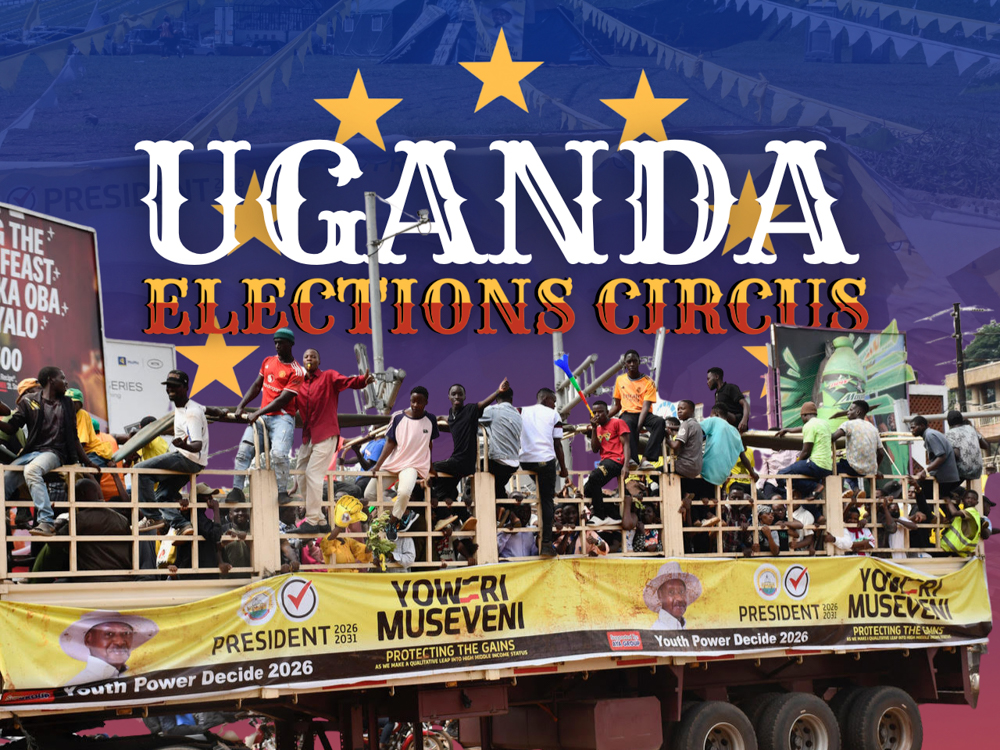
The European Union does not provide electoral support to the Ugandan state because of human rights abuses by its government, led by 81-year-old autocrat Yoweri Museveni. But it is also not supporting grassroots activists in their fight for democracy in the country. “We were told we should not support troublemakers.”
- Details
- By Eric Mugendi, Africa Uncensored
- Investigations
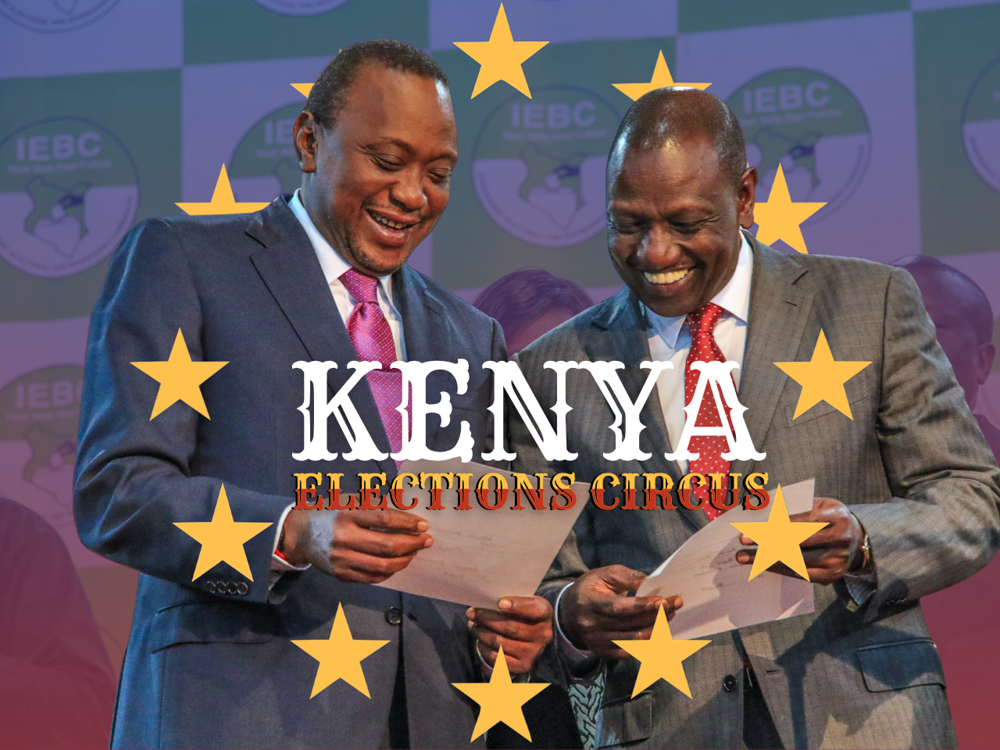
As Kenyan voters, we have become used to experiencing, every five years, a high-stakes drama full of sound and fury, in which the stage is set years in advance, the actors are meticulously costumed, and the script is written in a language only the elite truly speak. EU funds provide the software for the show.
- Details
- By Charles Mafa
- Investigations
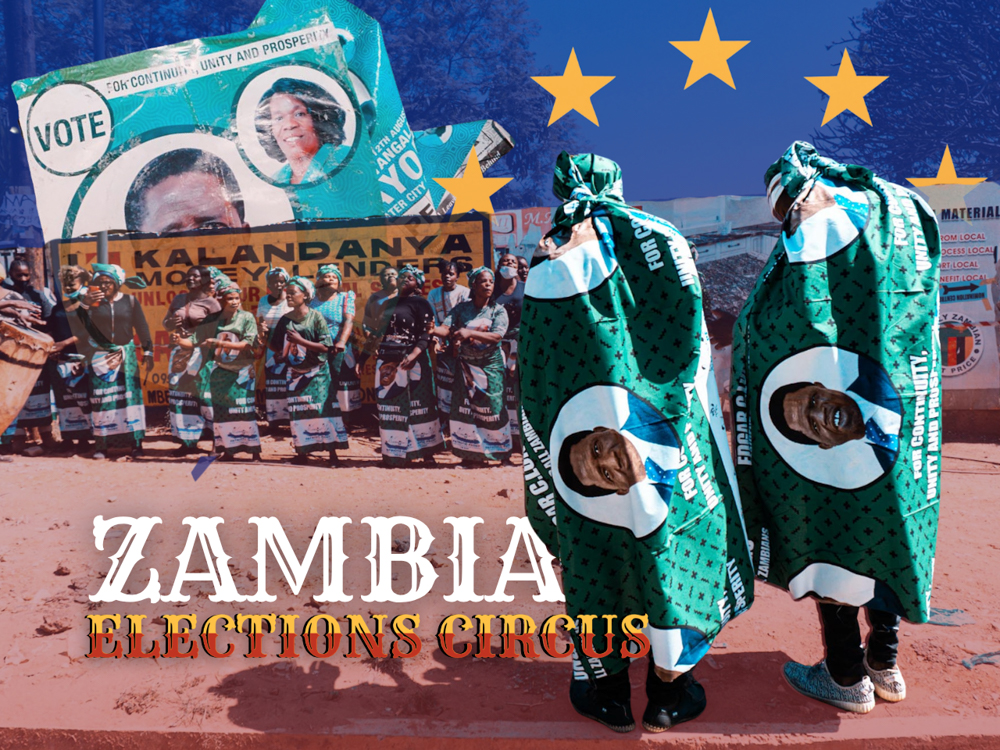
For more than four decades, Caesar Masina (62), a resident of Lusaka, Zambia’s capital, has participated in his country’s elections, lining up at polling stations, casting his ballot, and watching governments change through the vote. This year, however, may be different. With elections approaching in August, he says his trust in the country’s institutions has gradually eroded. “The forthcoming election is ridiculous. I may not vote.”
- Details
- By Jimmy Kitiro
- Investigations
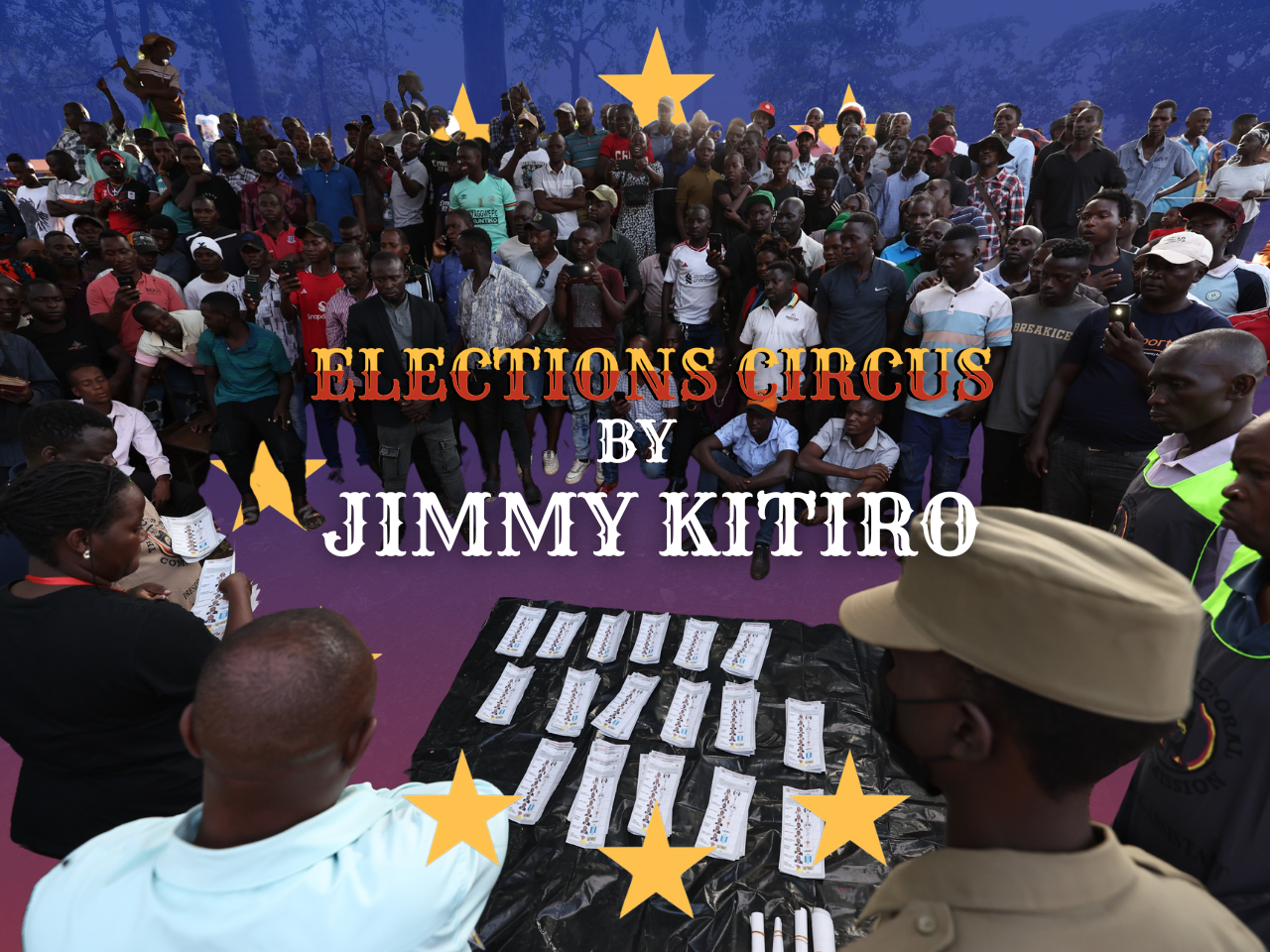
This photo essay pulls back the curtain on the “Democracy Mirage”: the paradox of EU funding meant to fortify African elections but instead reinforcing the grip of the powerful. From high-tech biometric kits used to fraudulently procure victory in Nigeria to the chilling silence in Uganda where activists are branded “troublemakers,” these images capture a disturbing reality: while billions flow into state commissions controlled by ruling parties, the true pulse of democracy, civil society, is left to beat in the dark.
- Details
- By Samba Baldé
- Investigations
The government of Guinea-Bissau has cancelled a controversial Hepatitis B vaccine trial involving 14,000 newborns that was about to start in the capital, Bissau. The trial raises considerable ethical issues and the cancellation represents a victory for those who contested the experiment both nationally and globally.
- Details
- By ZAM Reporter
- Investigations
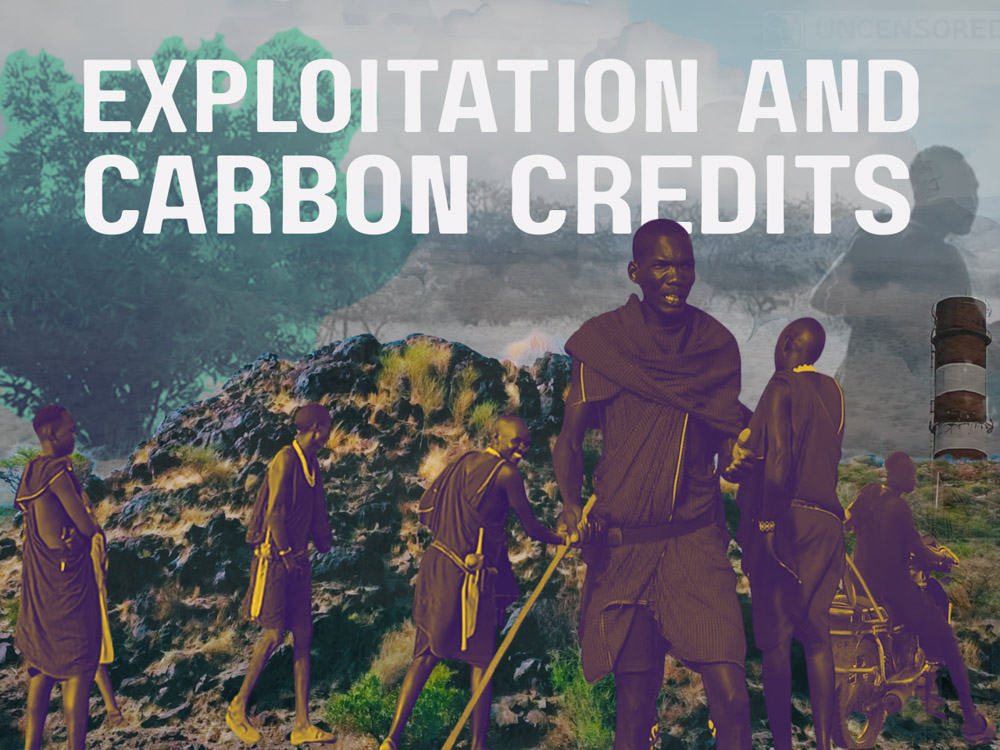
In the interviews, Siele, Sys, and Cabello shed light on a chaotic picture marked by ineffective land-based carbon offsets, the reinforcement of exploitative neo-colonial structures, and the abuse of power by local political opportunists. Science urges us to address the climate crisis, the interviewees argue, but the solutions must be both non-exploitative and effective. They also question whether current practices constitute solutions at all.
- Details
- By ZAM reporter
- Investigations
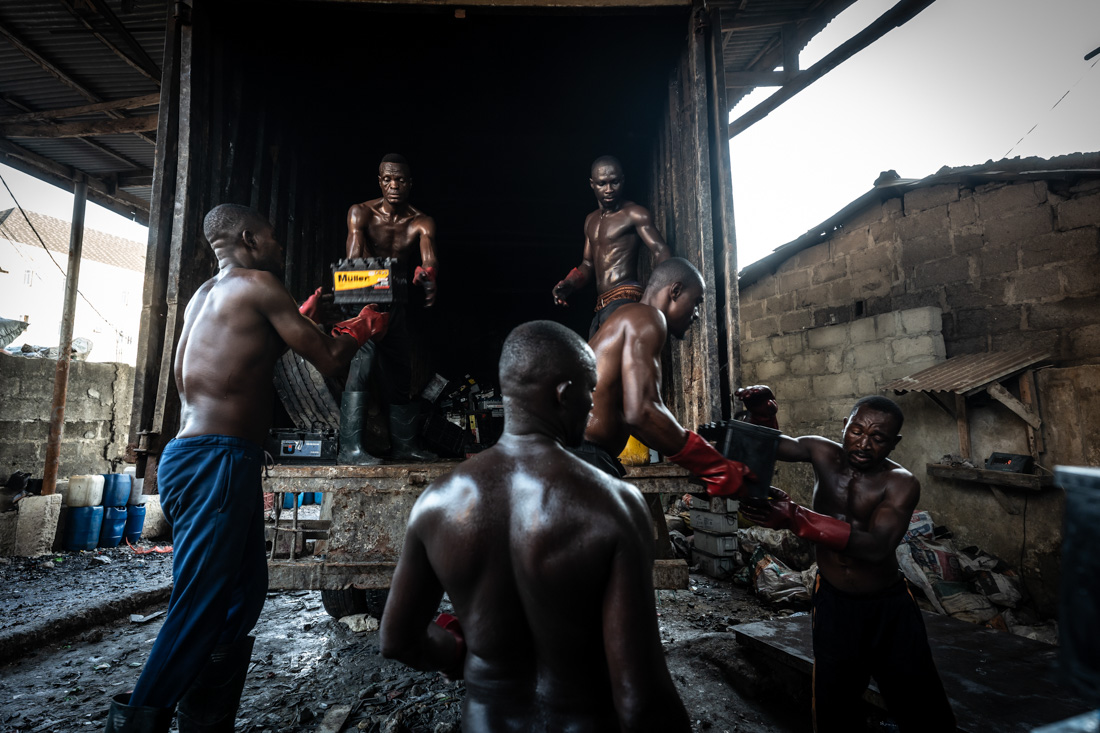
Battery recycling, often portrayed as a ‘green’ process that protects the environment, provides employment for many in the Ogijo community in Nigeria. Refurbished batteries from the town are sold to car manufacturers around the world. Yet while Western companies centre this recycled “green” solution in their marketing, unsafe production practices and regulatory violations have poisoned the very Nigerian communities where these batteries are processed.
- Details
- By Estacio Valoi and Evelyn Groenink
- Investigations
Very little has changed in Montepuez since the lawsuit. The Gemfields mining company, with its London head office and its local ruling party co-owners, still guards its concession avidly. Poverty reigns behind the “forbidden to enter” gates.
- Details
- By Martin Siele/Africa Uncensored
- Investigations
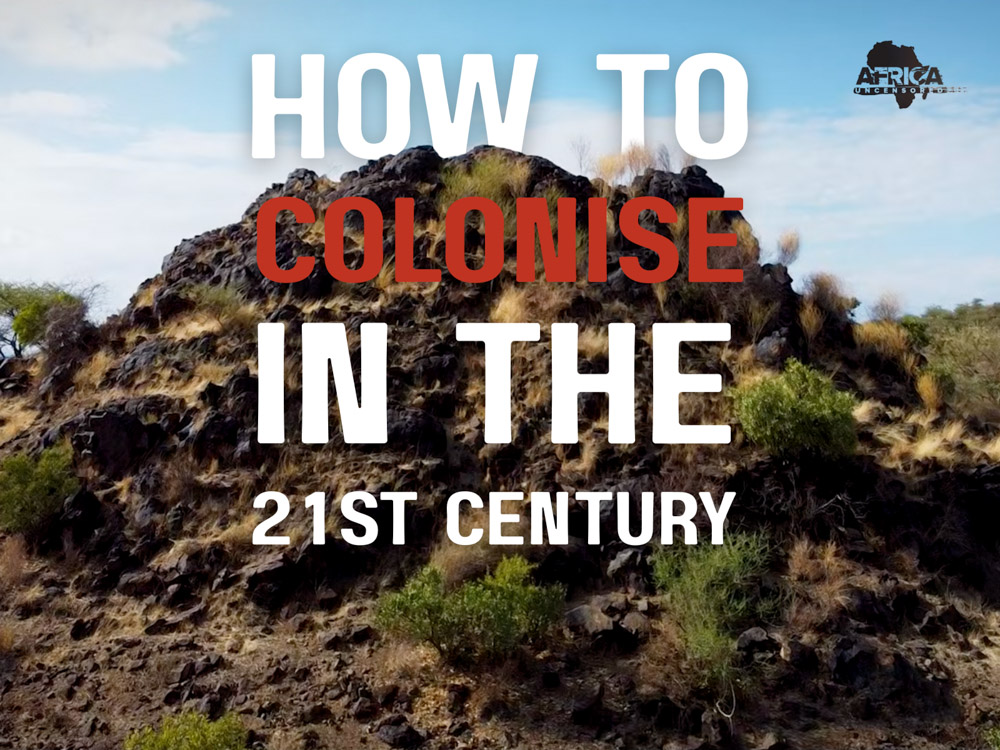
On April 30th 2025, Maasai youth disrupted the signing of a carbon offsetting project agreement in Kajiado county, Kenya. On the face of it, they had simply rejected a controversial carbon project.