
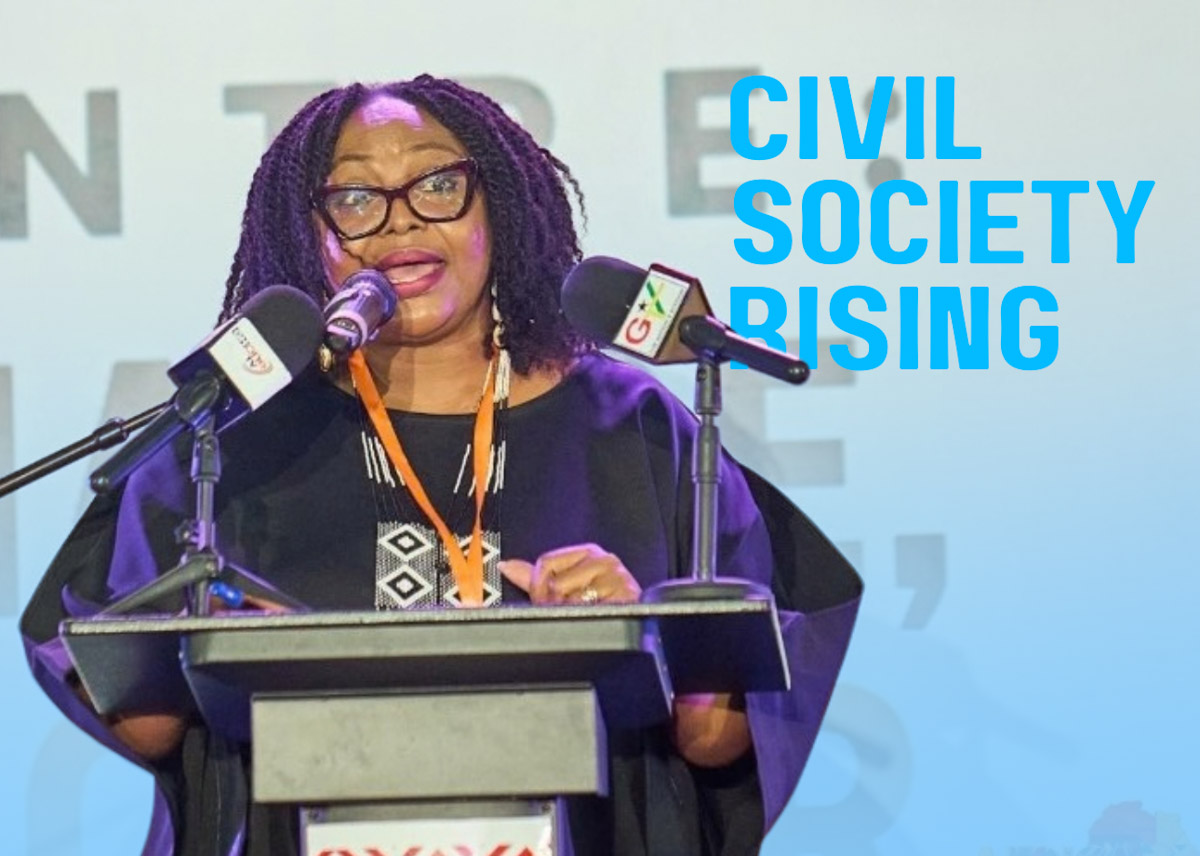
Africa | Civil society rising
- Details
- By Evelyn Groenink
- Politics & Opinion
The NGO world in Africa — while often performing important work in healthcare and other public services — has also been criticised for its dependence on donor agendas and the practice of tailoring grant proposals to fit donor themes and priorities. Satirists such as Elnathan John have lampooned these and other habits of many NGOs, including their, likewise donor-influenced, reluctance to challenge authority. The NGO sector’s routine of holding “endless cycles of workshops” was also featured, unflatteringly, in ZAM’s recent investigation into elections in several African countries.
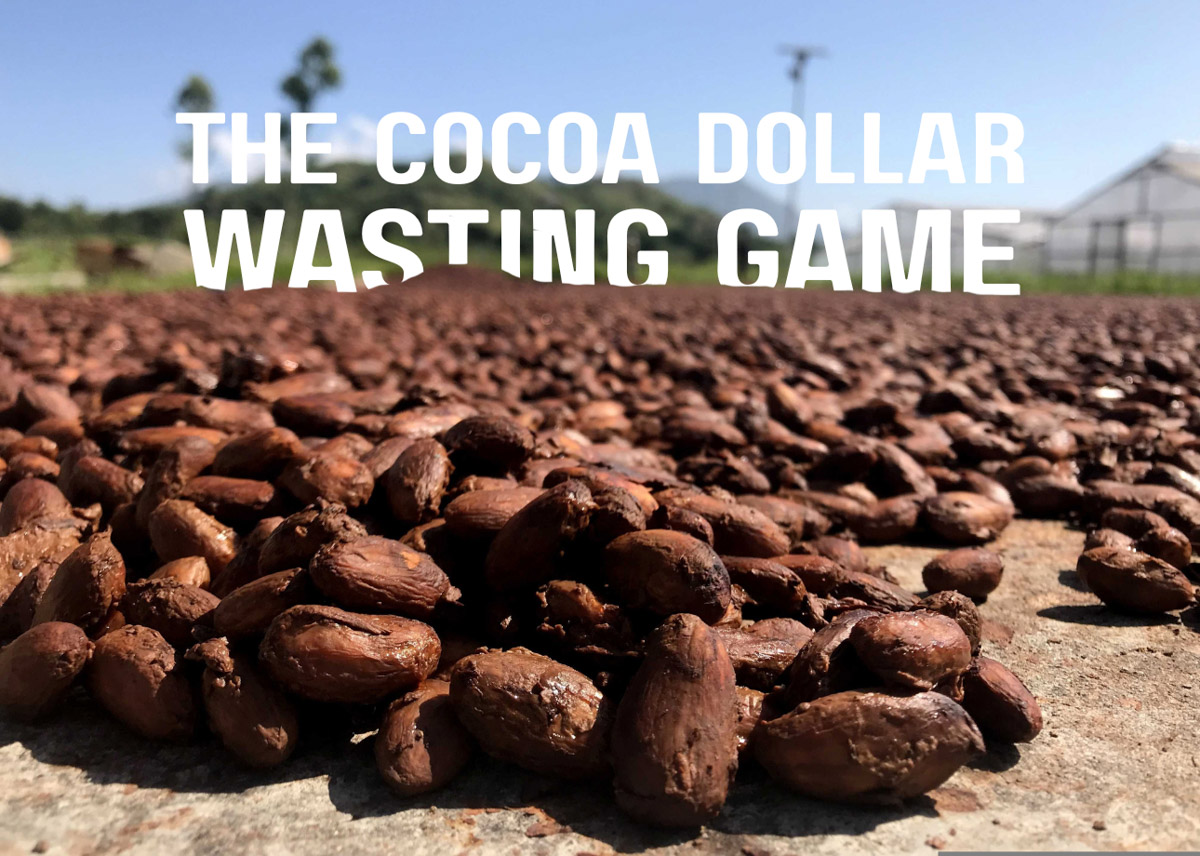
Ghana | The cocoa dollar wasting game
- Details
- By ZAM reporter
- Investigations
The world loves the chocolate made from Ghana’s cocoa beans. But those in charge of the cocoa revenues flowing into the West African country have been found to be responsible for major mismanagement and waste, defaulting on payments to the country’s nearly one million cocoa farmers and other sector workers, while saddling all Ghanaians with ballooning debt. “The lenders, like the IMF and World Bank, are complicit. They benefit from the status quo.”
Rwanda | War talk
- Details
- By Samuel Baker BYANSI
- Politics & Opinion
The propaganda emanating from Kigali is a warning: Rwanda’s regime now presents a global threat. Within roughly a day of each other last August, two articles surfaced in Kigali’s media ecosystem that, read side by side, tell us that the war in eastern Congo is far from over. They also suggest that — if the Rwandan regime’s propaganda in these mouthpieces is to be taken seriously, as it should be — there is a risk that the conflict could expand.
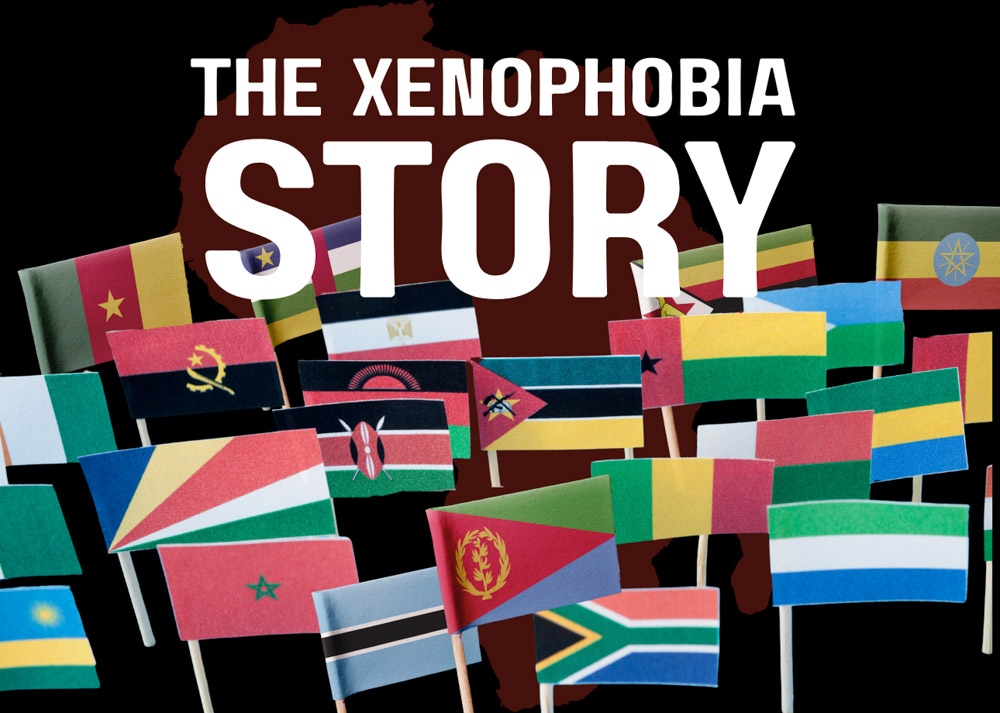
South Africa | The xenophobia story
- Details
- By ZAM team
- Politics & Opinion
This winter in South Africa, which was summer in the global North, the world was shaken by images of mostly poor Black South Africans marching against often even poorer Black African immigrants, many of them undocumented. At times, the marches in townships and informal settlements turned violent. Ghettos within ghettos were “cleansed”, with Zimbabwean, Malawian and other African families and workers chased from their homes.
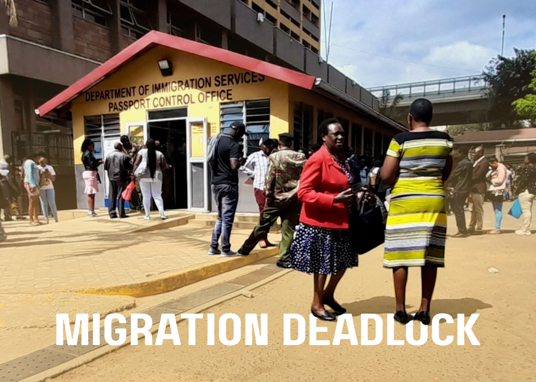
Africa and Europe | Migration Deadlock
- Details
- By Green European Journal
- Politics & Opinion
Migration features prominently in Europe’s demographic debates, whether as a looming threat or as a silver bullet against ageing societies. With the EU’s normalisation of border externalisation and the far right’s growing emphasis on “remigration”, progressives have tried to reframe the debate around economic benefits, class, and inequality. But flawed narratives and a crisis of trust have blocked productive conversation. Former Green member of the European Parliament Judith Sargentini explains how we got to the current impasse – and how we might overcome it.
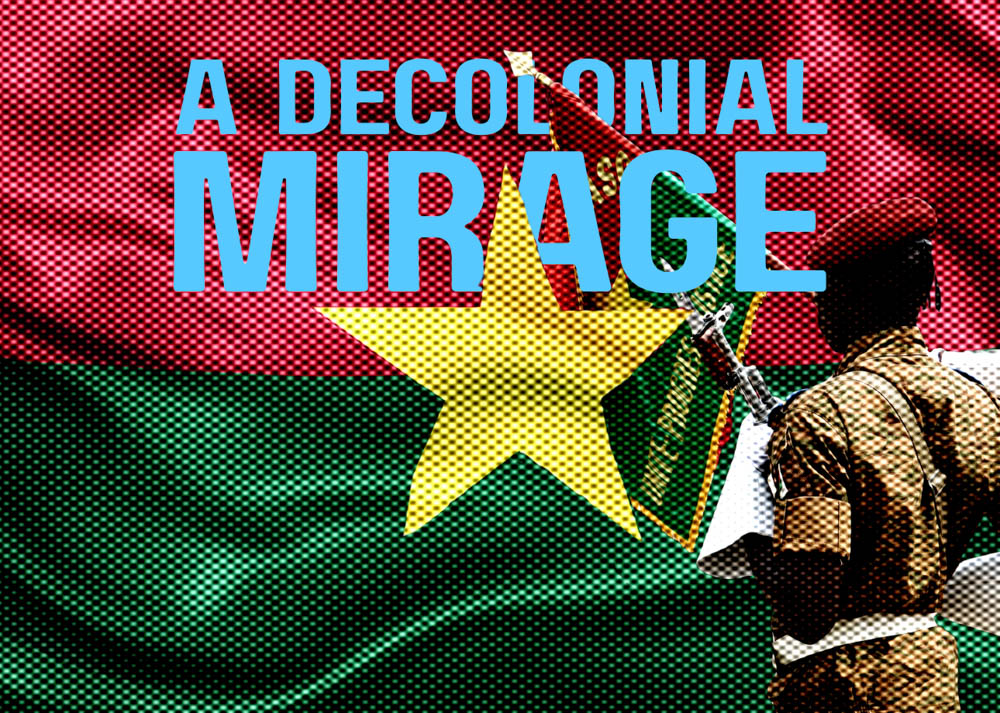
Burkina Faso | A decolonial mirage
- Details
- By ZAM reporter
- Politics & Opinion
“We don’t know what is true, because everyone in the country has been silenced.”
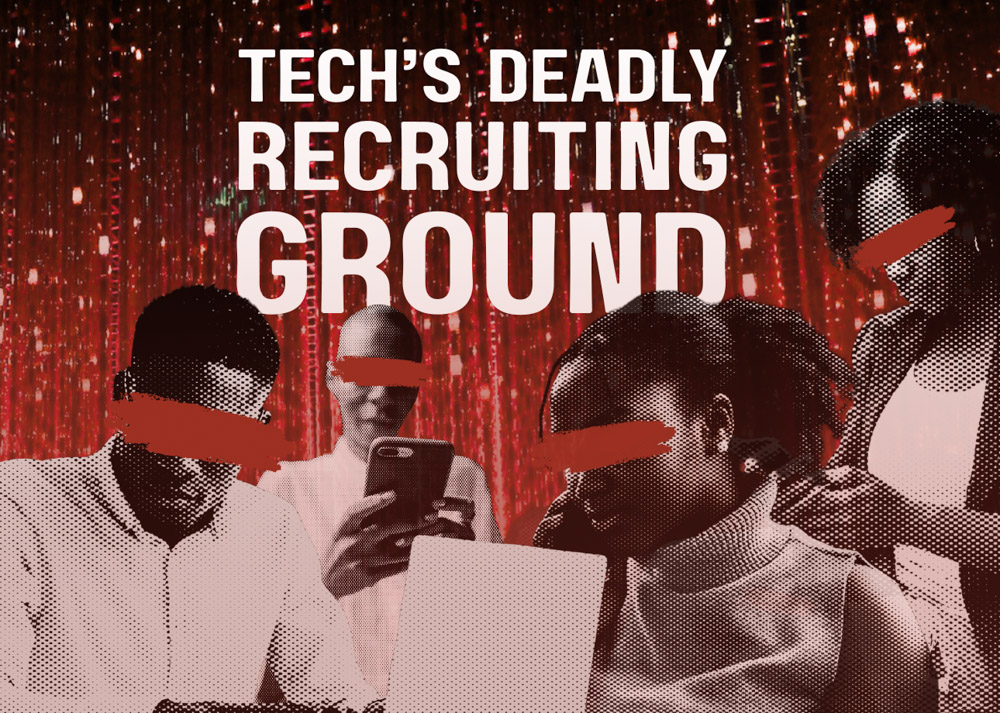
Kenya | Tech’s deadly recruiting ground
- Details
- By Mukanzi Musanga
- Investigations
Many tech firms recruit content moderators and other personnel from across Africa to work in Nairobi, the continent’s “Silicon Valley”. But dodgy contracts and residency issues can leave migrants stranded. OpenDemocracy investigated the death of Nigerian Ladi Olubunmi and noted the comment from the Nigerian consulate on the fate of its migrant citizens: “They are not children.”
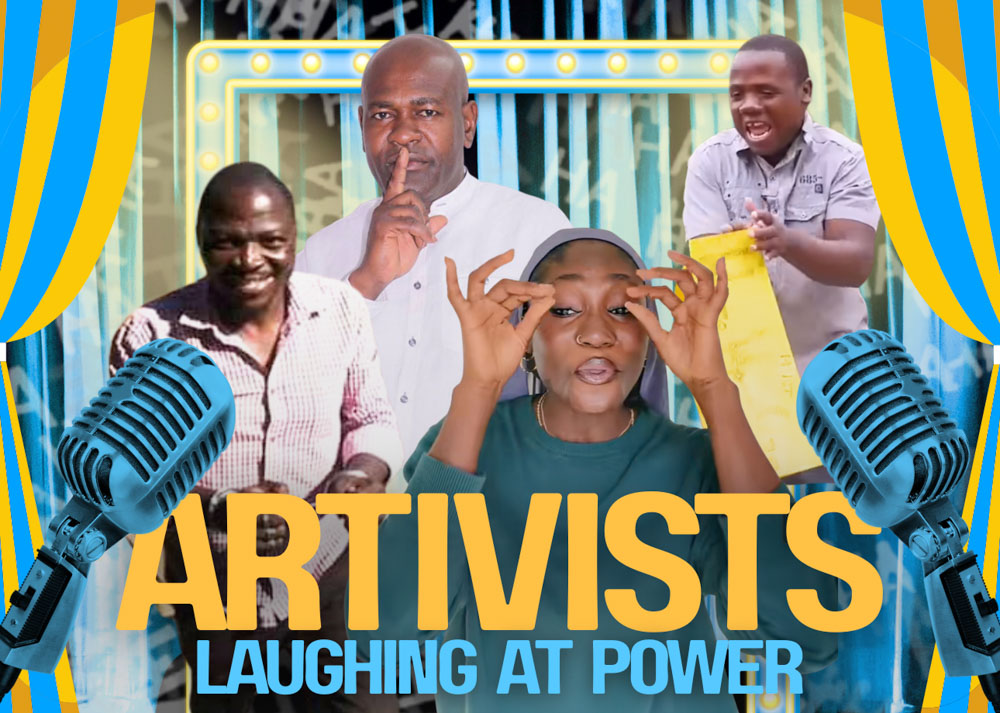
Africa | Artivists
- Details
- By Theophilus Abbah, Josephine Chinele, Elizabeth BanyiTabi and Mukudzei Madenyika
- Investigations
Samantha Kureya was abducted and tortured, yet came back to continue her comedy show. Satirical performer Bon Kalindo was arrested fifteen times. Cartoonist Mustapha Bulama was slammed by Nigeria's First Lady, and the fun-poking newspaper Le Popoli recently emerged from a six-month publication ban. But their following on social media, especially among the youth, keeps increasing. A team of investigative journalists in Zimbabwe, Malawi, Nigeria, and Cameroon discovered how the power of laughter, especially laughter at authorities, is undermining "politicians who use big words to confuse the public" across the African continent.
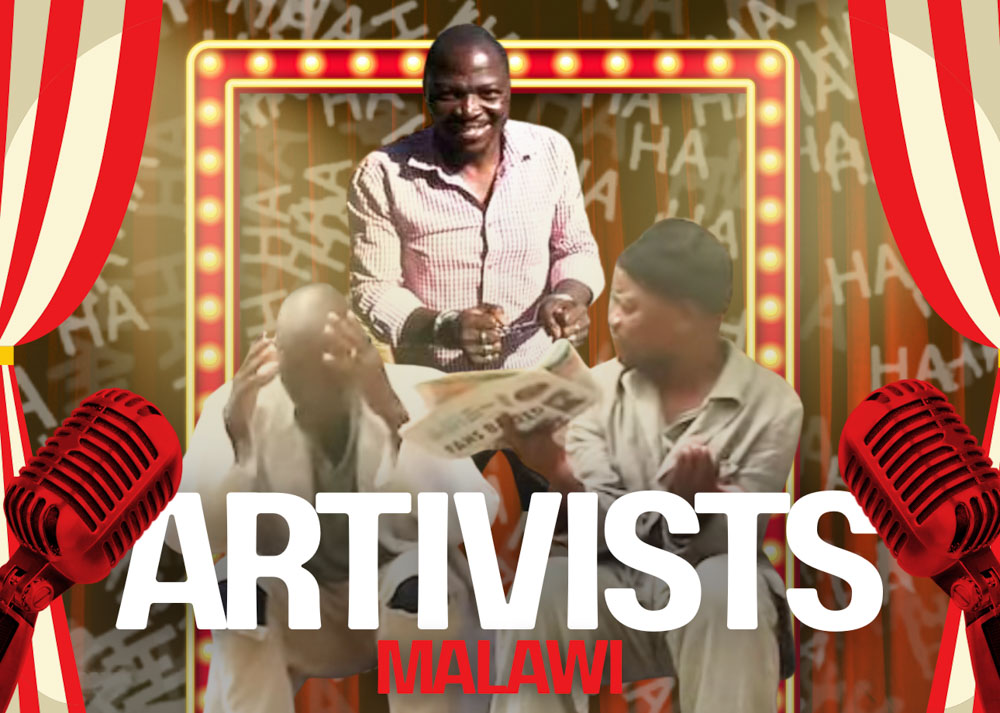
Malawi | Presidents of the poor
- Details
- By Josephine Chinele
- Investigations
Two comedians, also anti-corruption activists, have served in Malawi's government. One quit first, then the vice president who brought him in died in a much-investigated plane crash, and the other, who had replaced the vice president, quit politics after his tenure. But still, the roar for change is swelling among the youth. Josephine Chinele explores the role comedy, especially on social media, plays in undermining the ruling political class in Malawi.
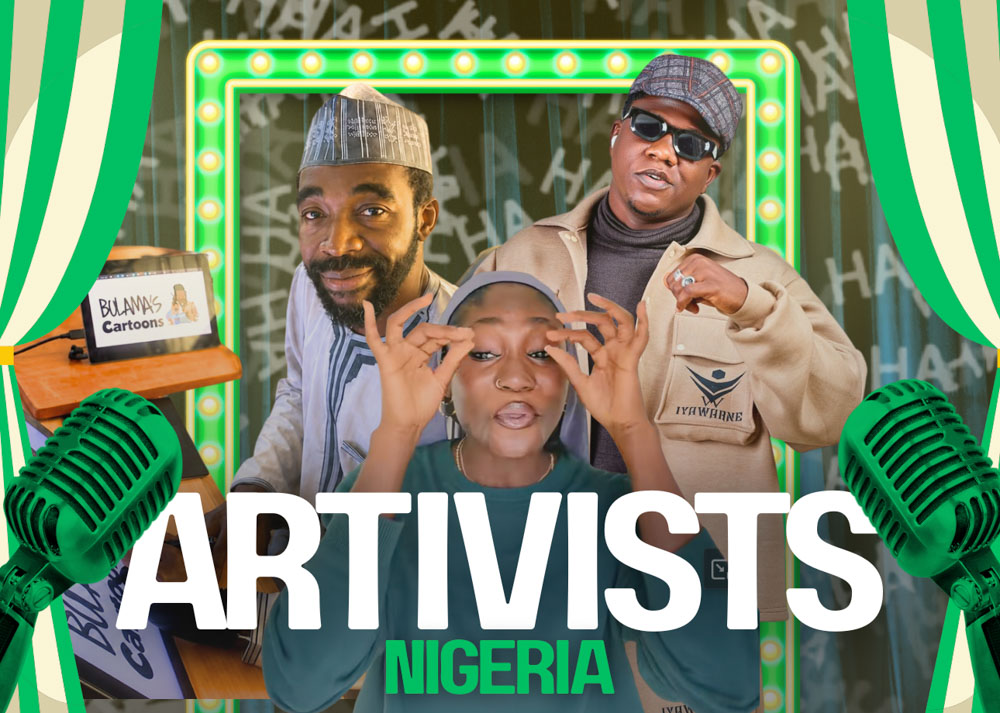
Nigeria | Undermining the political class
- Details
- By Theophilus Abbah
- Investigations
By all accounts, the Nigerian electorate did not need to be prompted by cartoons, mockery, or musical protest to overwhelmingly vote for opposition candidates in the 2023 elections. The disgust against the "political class", its patronage system, and neglect of public services such as health, education, and security had and has become widespread in the country, increasingly fuelling not only political protests, but also armed rebellion, ethnic tension, crime, and a desire to "japa", simply migrate away altogether.
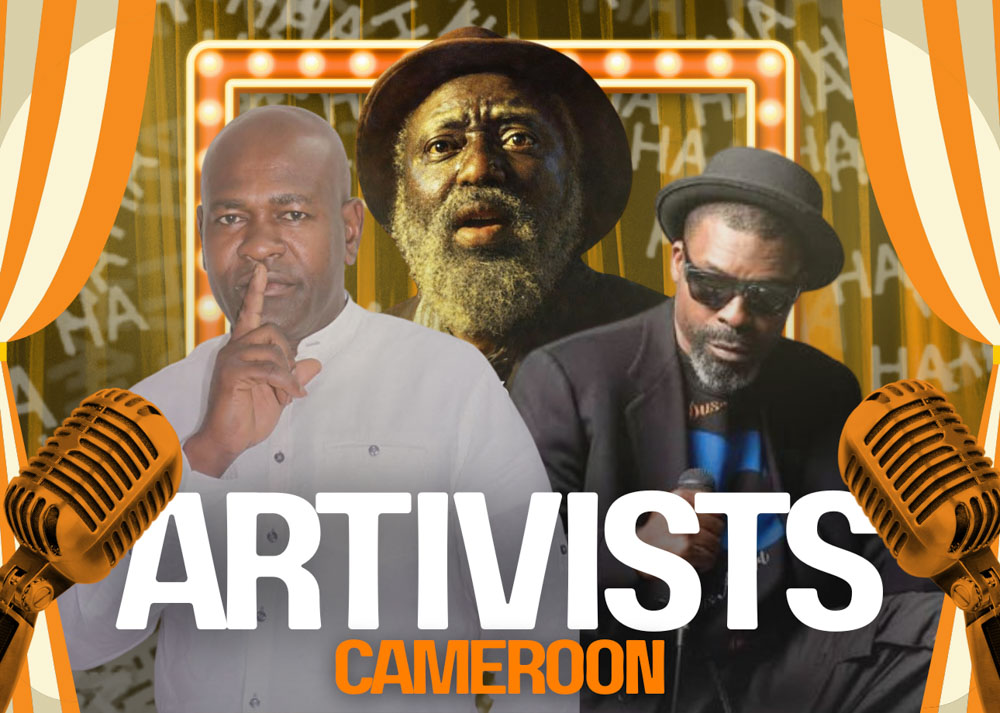
Cameroon | Dents in the dictatorship
- Details
- By Elizabeth BanyiTabi
- Investigations
"Satire will never die. After six months of suspension, here we are again," headlines Le Popoli's comeback edition of 8 February 2026. The lead caption on the front page is accompanied by a drawing of a pen lying in an open coffin, as if to say: "We were buried, but we are still alive." It is a space where even humourists and artists often find themselves in notoriously media-hostile Cameroon.
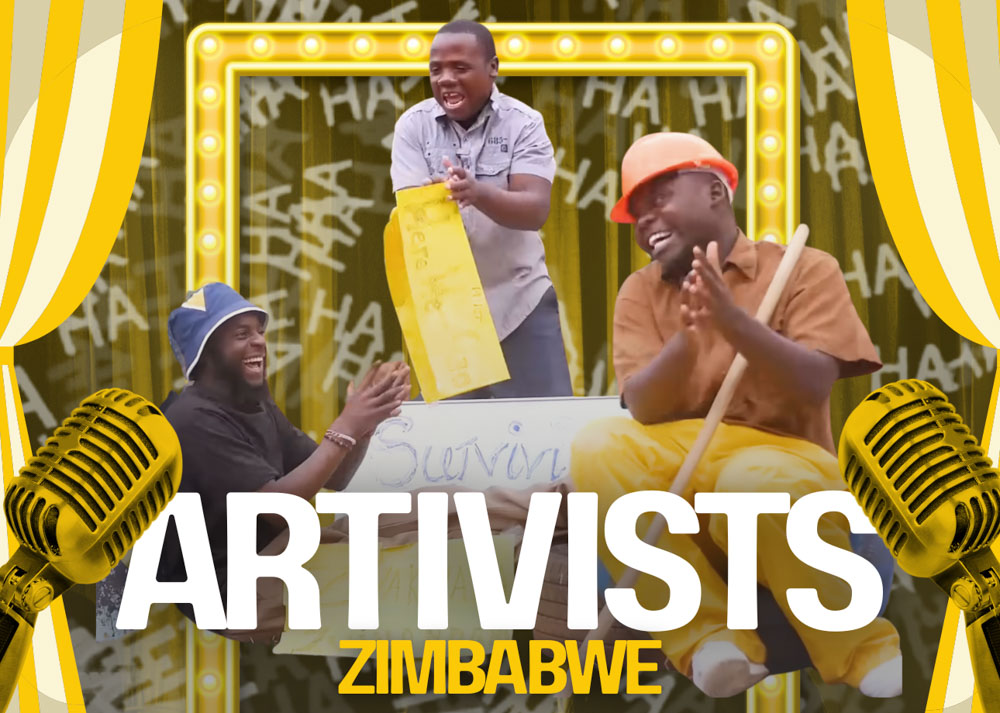
Zimbabwe | The parody tsunami
- Details
- By Mukudzei Madenyika
- Investigations
A daring contingent of young, tech-savvy content creators routinely battle censorship, arrests and worse to help increase awareness of Zimbabwe’s critical issues through humour. The wave is not confined to politics: the environment, economics and even religious beliefs are being questioned in a tsunami of YouTube, TikTok and other parody productions. But the ruling party ZANU PF, its militants and government are the butt of most jokes.