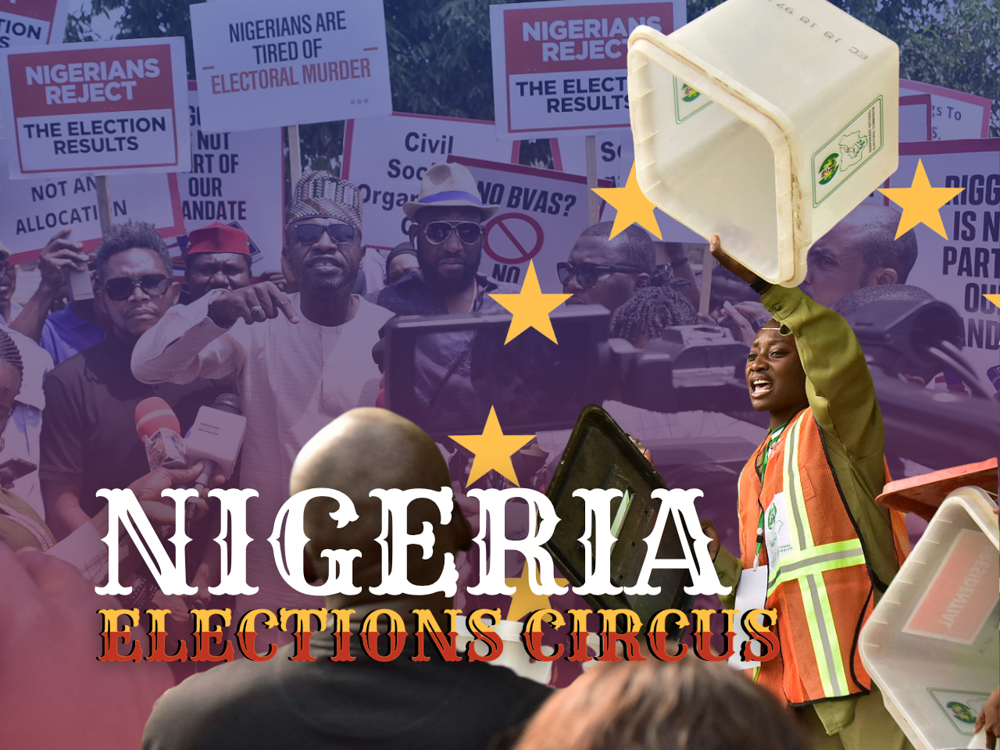
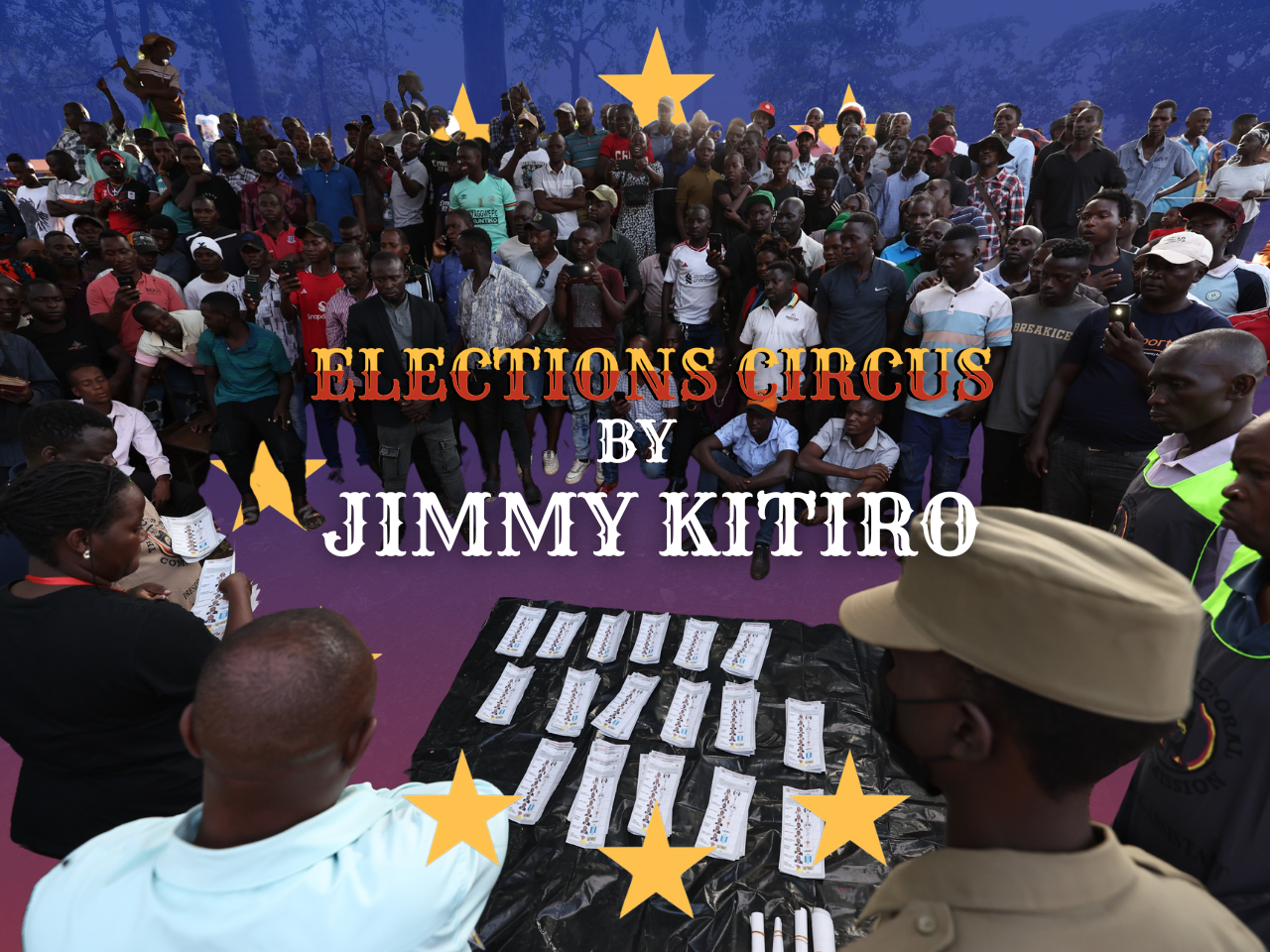
In the corridors of Brussels, it is called "electoral assistance." In the streets of Abidjan, Lusaka, Kampala, Dar es Salaam, Lagos or Nairobi, it often feels like the bankrolling of a betrayal.
This photo essay pulls back the curtain on the “Democracy Mirage”: the paradox of EU funding meant to fortify African elections but instead reinforcing the grip of the powerful. From high-tech biometric kits used to fraudulently procure victory in Nigeria to the chilling silence in Uganda where activists are branded “troublemakers,” these images capture a disturbing reality: while billions flow into state commissions controlled by ruling parties, the true pulse of democracy, civil society, is left to beat in the dark.
Through the lens of wasted equipment and the scars of suppressed opposition, we ask: Is European aid building the ballot box, or is it merely polishing the bars of the cage?
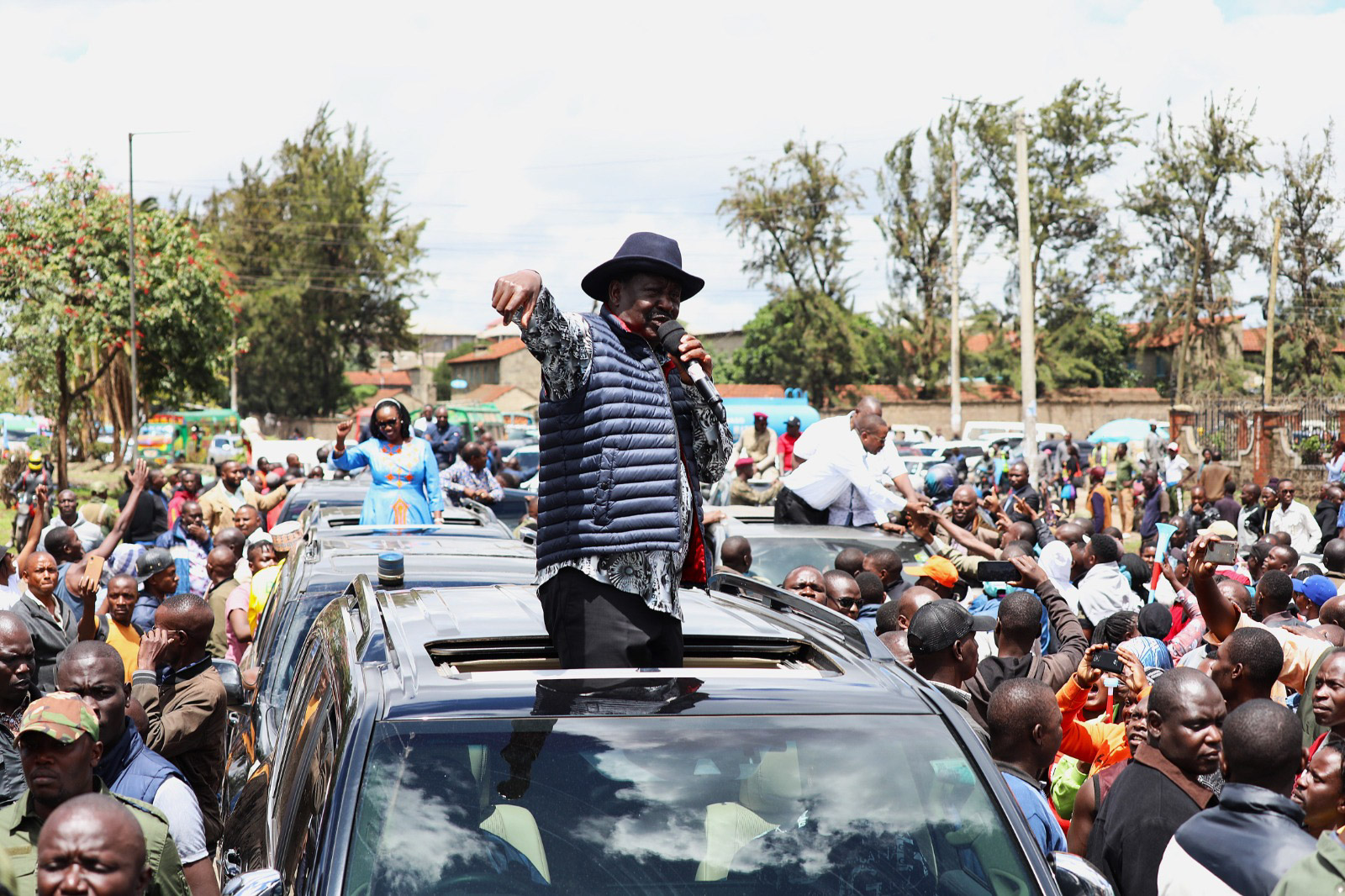
In Nairobi, the “retail politics” of late opposition leader Raila Odinga and Martha Karua stand in defiance of the EU-funded “Democracy Mirage.” As billions flow into high-tech kits that often cement the grip of the powerful, this image reminds us that the true heartbeat of influence is not found in a biometric scanner. While aid may polish the bars of the cage, the street remains the only place where the voice of the people and the quiet presence of women leaders are truly felt.
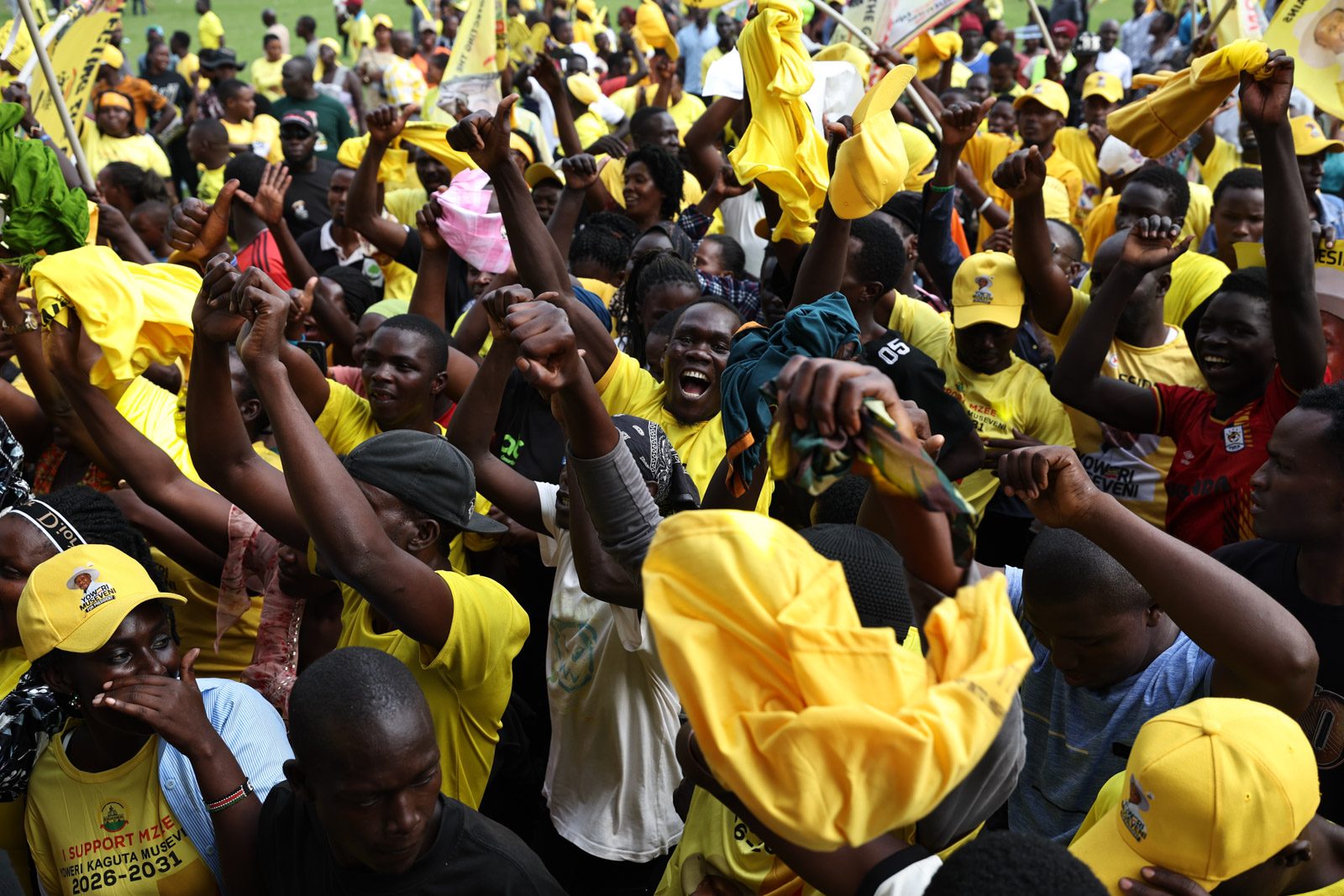
Behind the high-energy, state-approved campaign fervour lies a disturbing reality: billions in foreign funding are cementing the grip of the powerful, leaving the authentic, unbought voices of the people to struggle in the silence of the periphery after all is said and done.
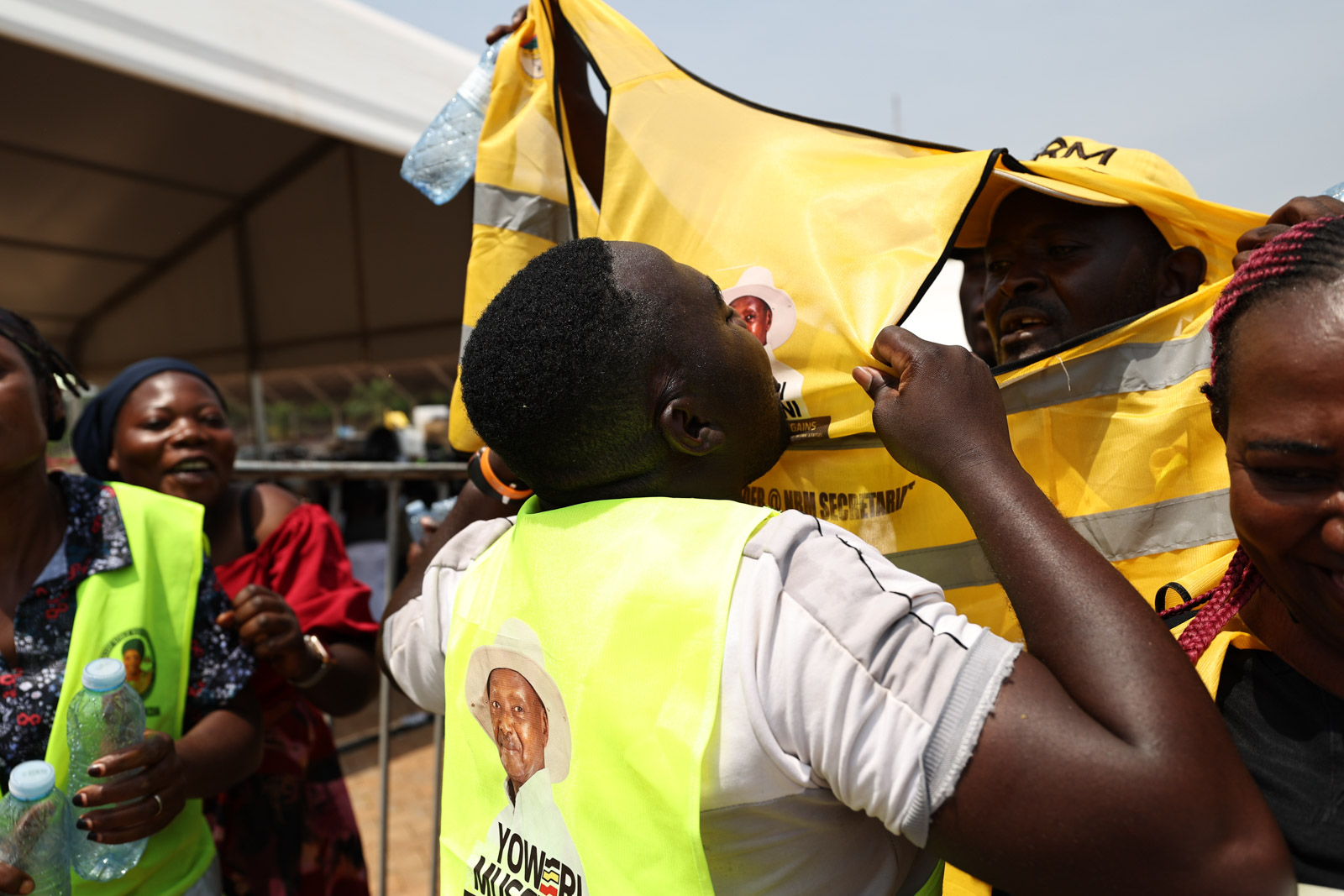
In Africa, the machinery of state power is distributed through cheap, high-visibility vests. Draped in the image of incumbents, these young men celebrate a superficial validation, a carefully orchestrated, high-energy street performance common with autocracy.
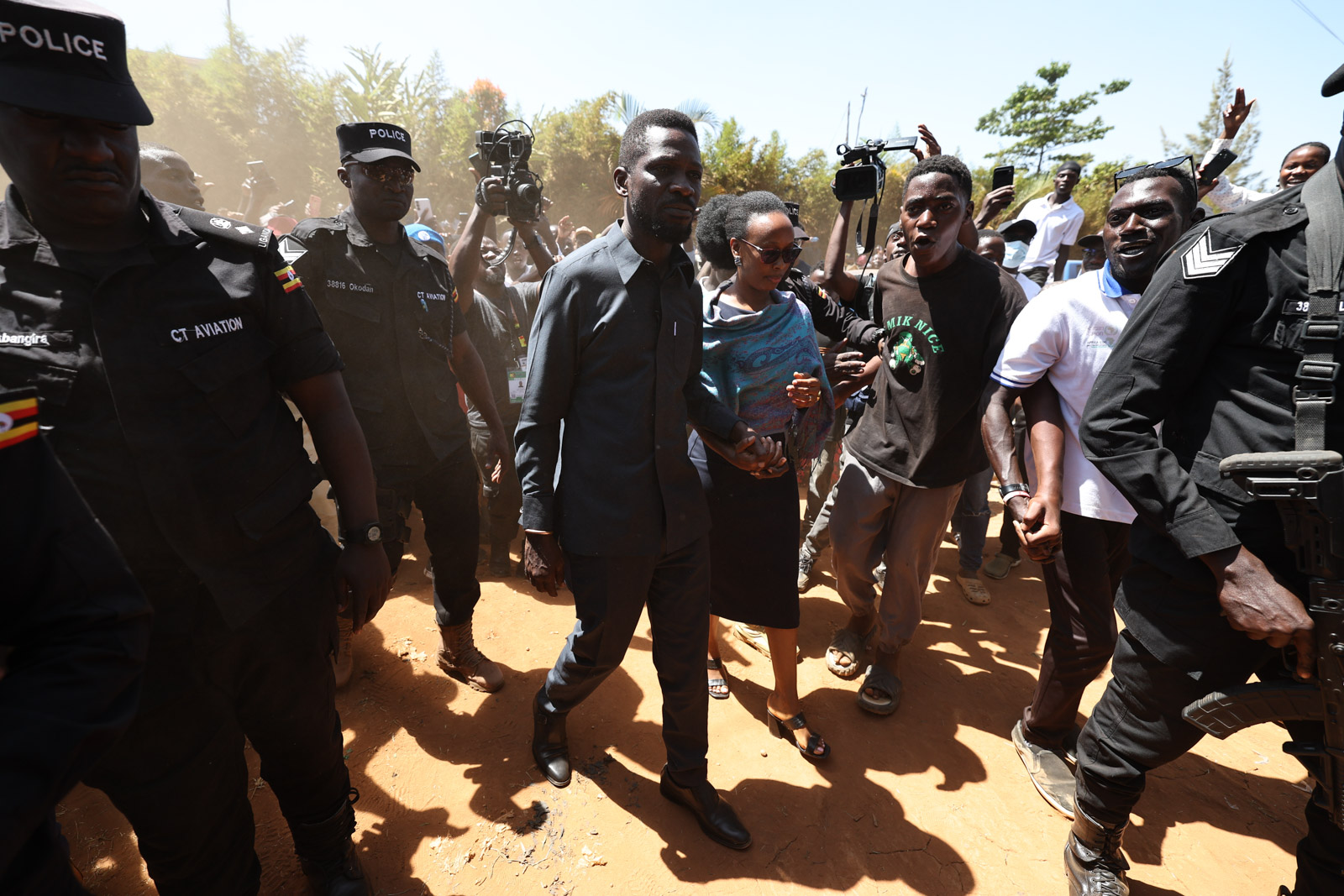
Ugandan opposition leader Robert Kyagulanyi, also known as Bobi Wine, accompanied by his wife Barbie, mingles with supporters during a campaign stop. Even in these moments of grassroots connection, the hawk-eyed state machinery remains ever present, trailing at arm’s length. It is a constant, chilling reminder of the surveillance that defines the political landscape in many African countries. Bobi Wine has recently been forced into exile amid a sharp escalation of repression in his country.
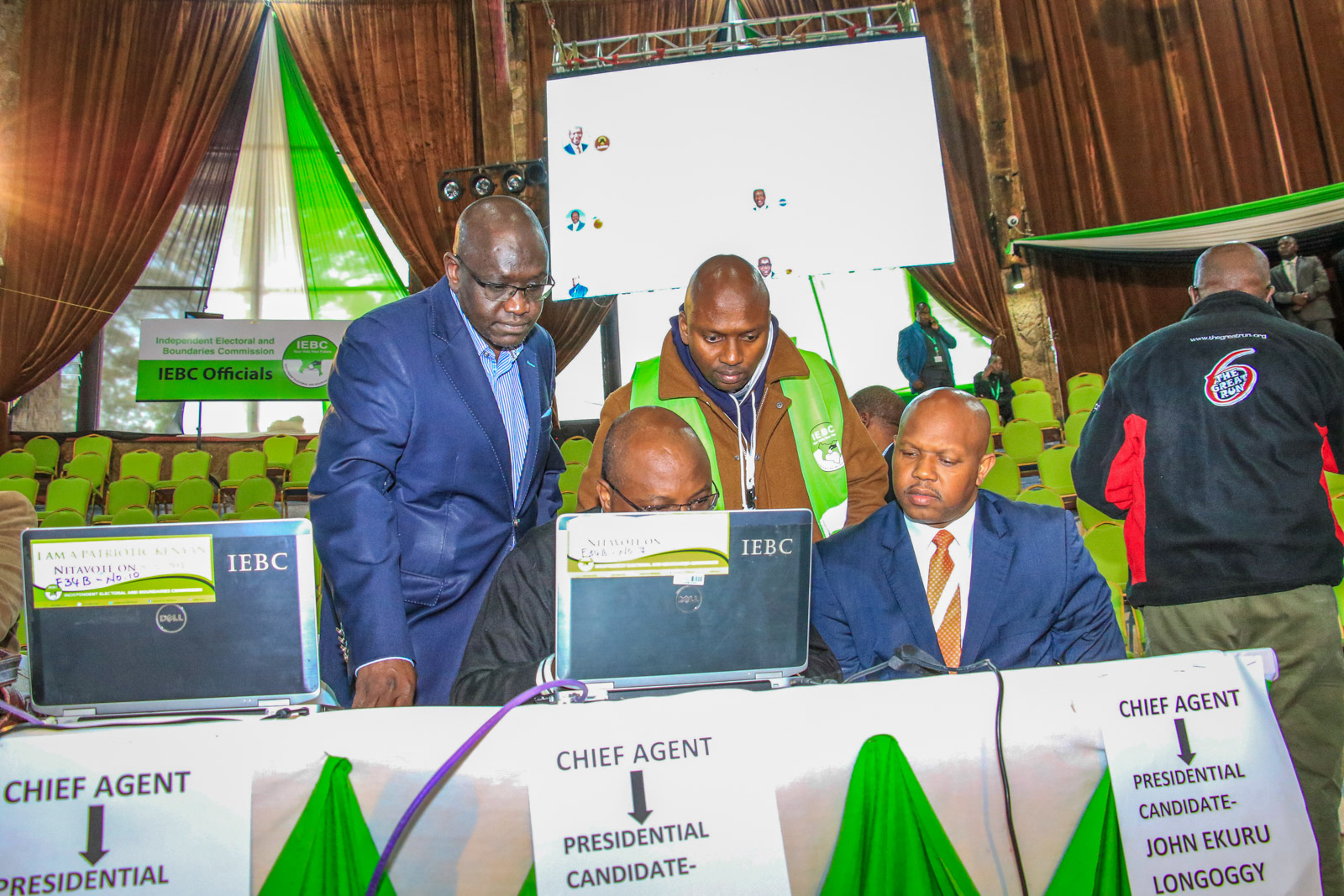
Under the sterile glow of fluorescent lights, the paper trail of a nation’s will meticulously unfolds. In this quiet, high-stakes room, the “capacity building” funded by international donors meets its ultimate test. While the state presents an image of procedural perfection, the tension in the room is a reminder that these numbers are more than mere data; they are the pulse of a people demanding to be heard beyond the mirage.
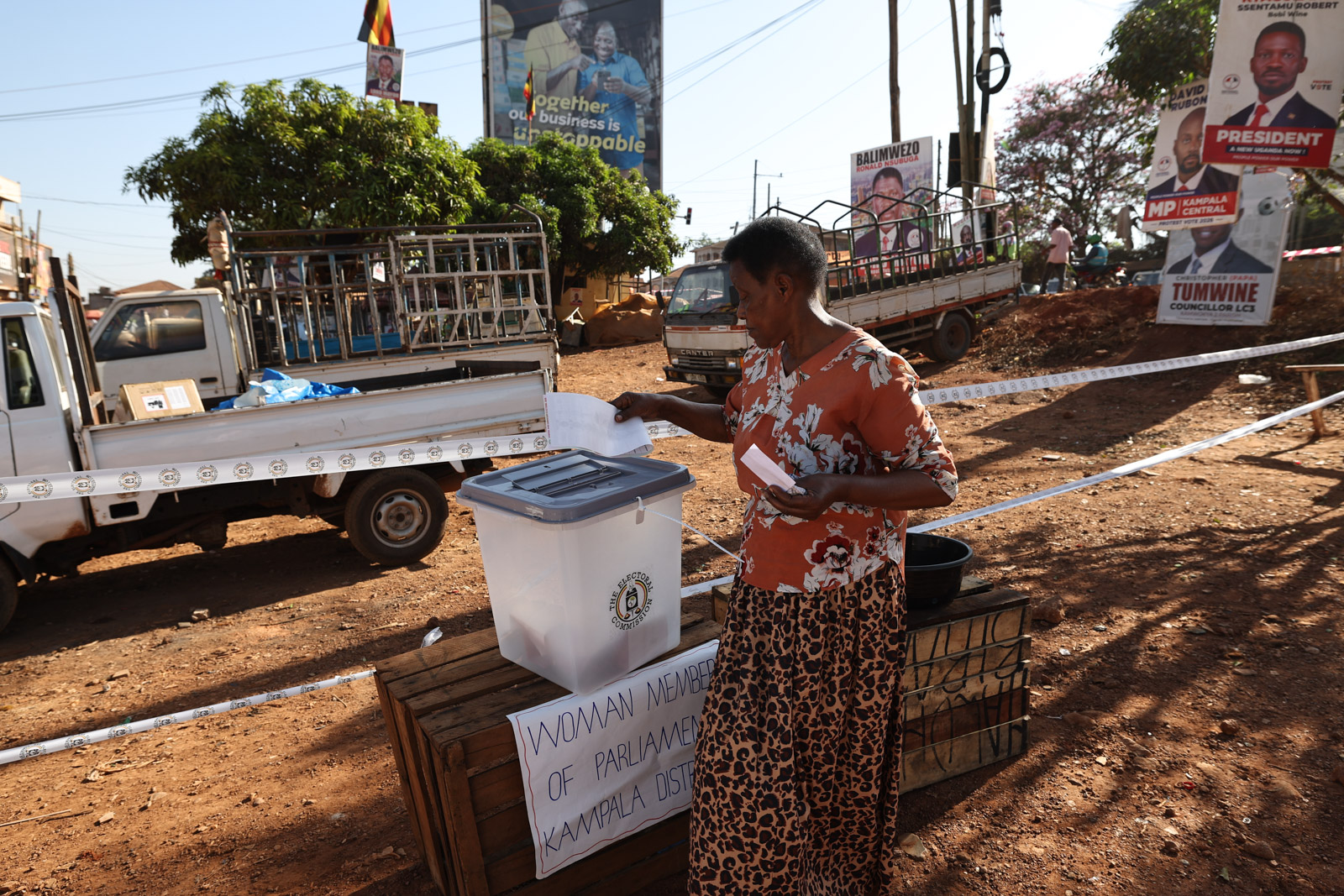
While millions in foreign aid are spent on high-tech biometric servers, the ultimate weight of democracy rests on these weathered shoulders. Braving the heat and the long lines, she casts her ballot as a reminder that the most powerful 'electoral equipment' in Africa isn't made of silicon, but of the unyielding spirit of its oldest citizens.
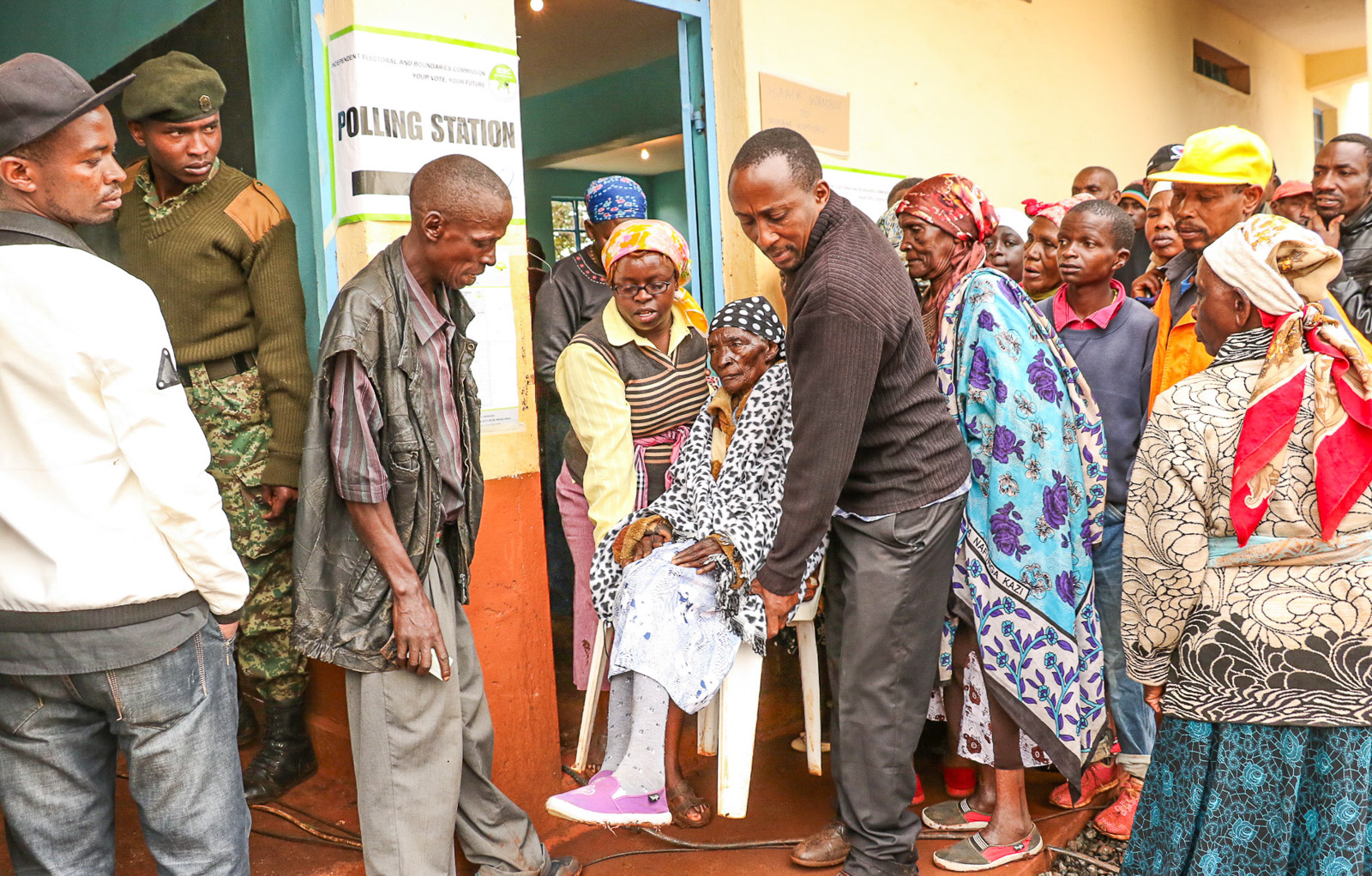
Citizens demonstrate an unwavering commitment to the democratic process, physically assisting a frail, elderly relative to the ballot box. Their resilience captures the true pulse of African democracy. This scene, however, contrasts sharply with the occurrences behind the scenes, where foreign systems seek to suppress the very wishes these citizens are striving to express.
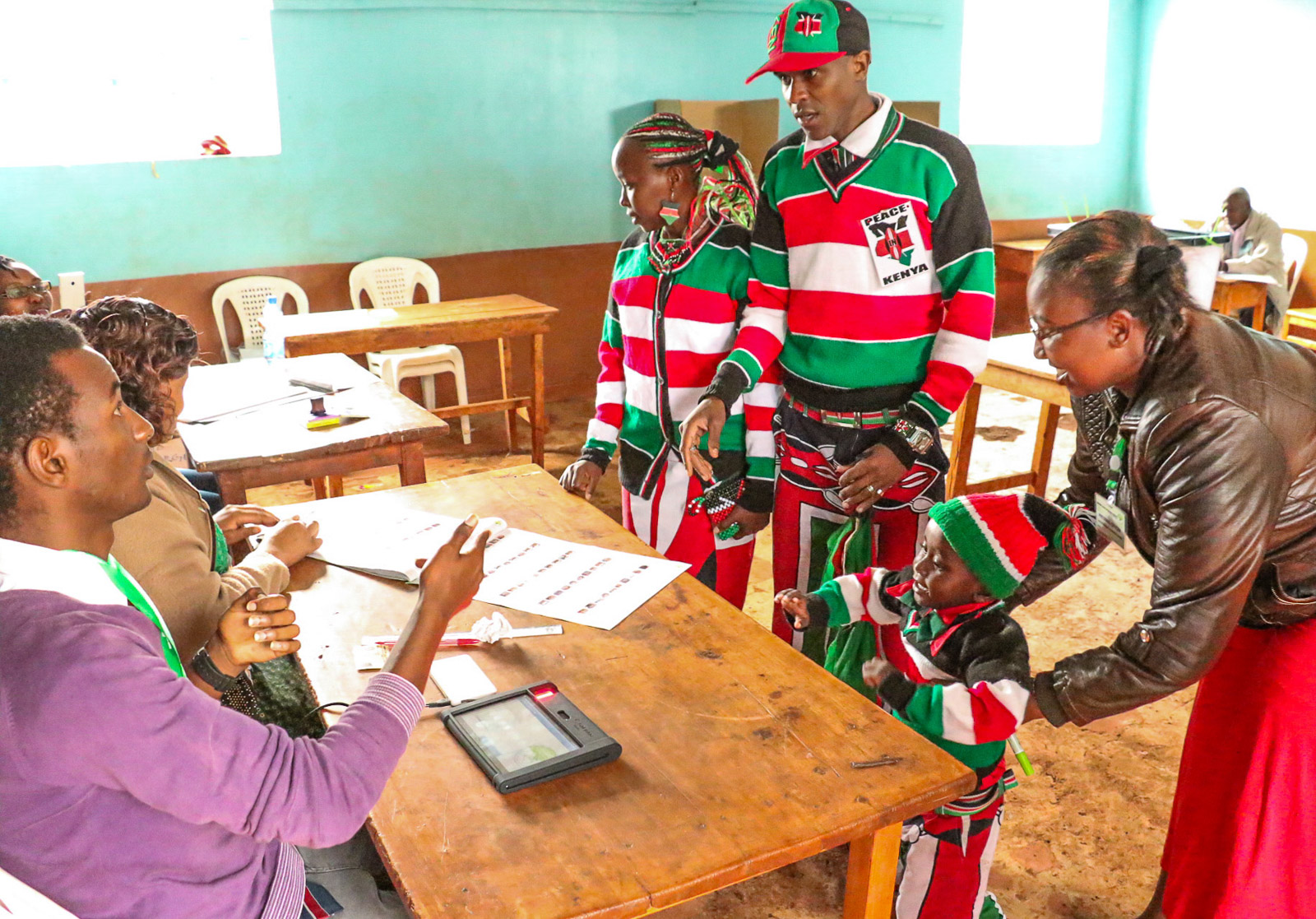
Dressed in the vibrant colours of the national flag, these young Kenyan parents bring the next generation to witness their country's heartbeat. Yet the digital tools intended to “fortify” their vote often serve a different master, merely polishing the bars of a cage that society still struggles to break free from.
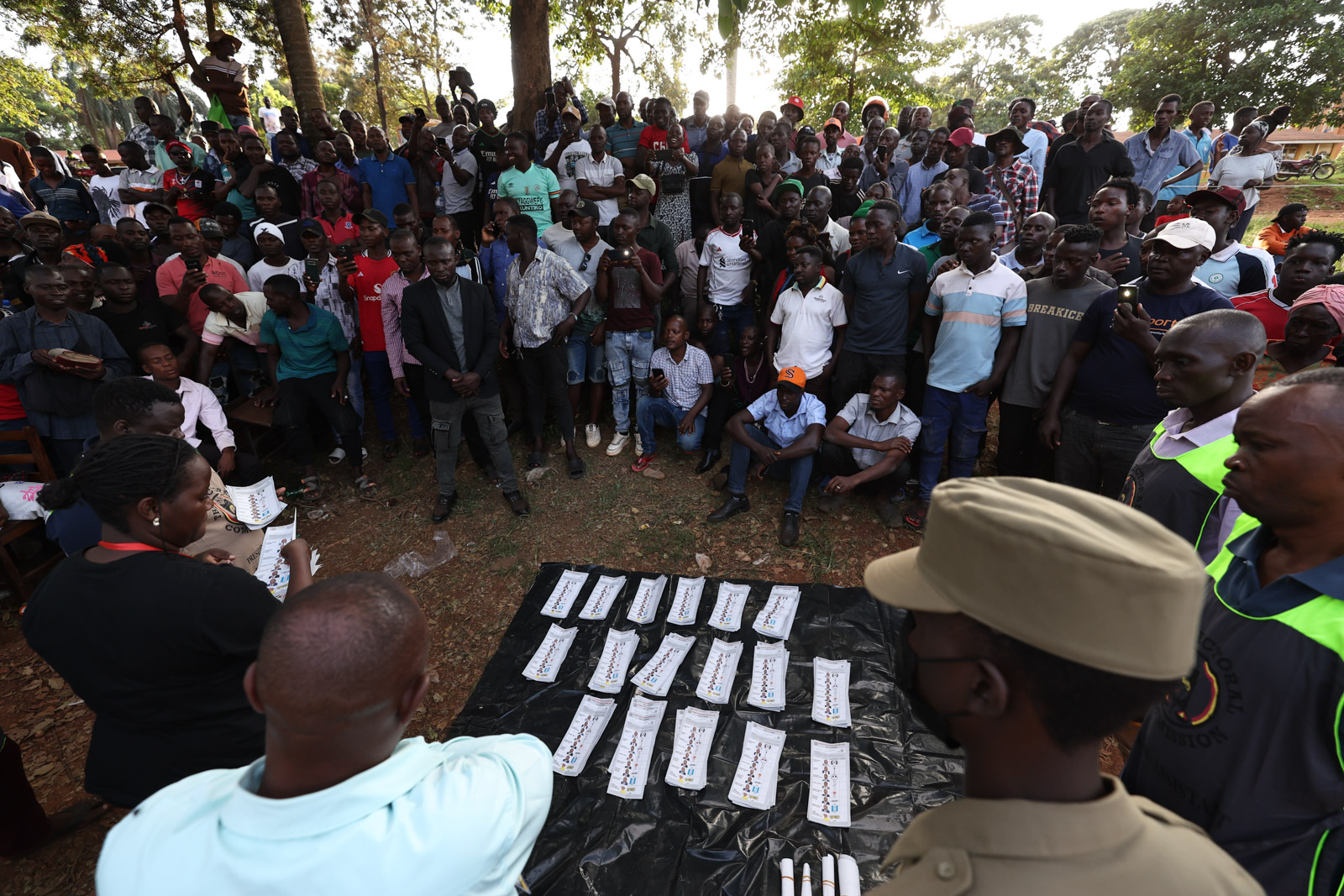
Flanked by police, an election officer counts ballots one by one under the unblinking gaze of the public. This is the moment where the abstract numbers of a digital system meet the physical reality of the people's will, a high-stakes ritual of transparency performed in the shadow of hawk-eyed state power. Such scenes offer a veneer of integrity, even as the agents of autocracy ensure the final tally serves the powerful rather than the people.
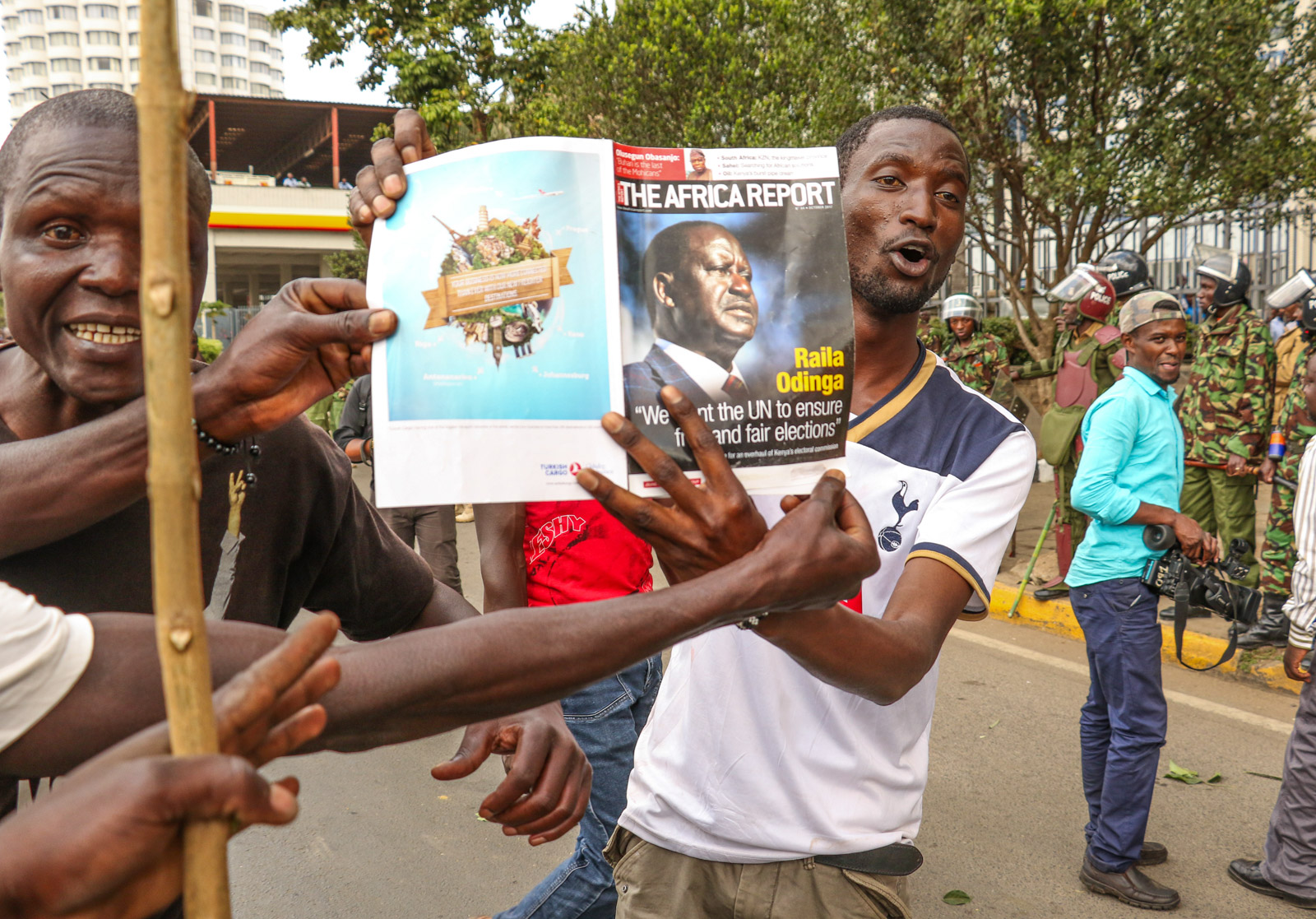
Impatience turns to protest as young voters flood the streets. With results stalled and suspicions of 'behind the scenes' manipulation rising, their demand is clear: a credible vote or nothing at all.
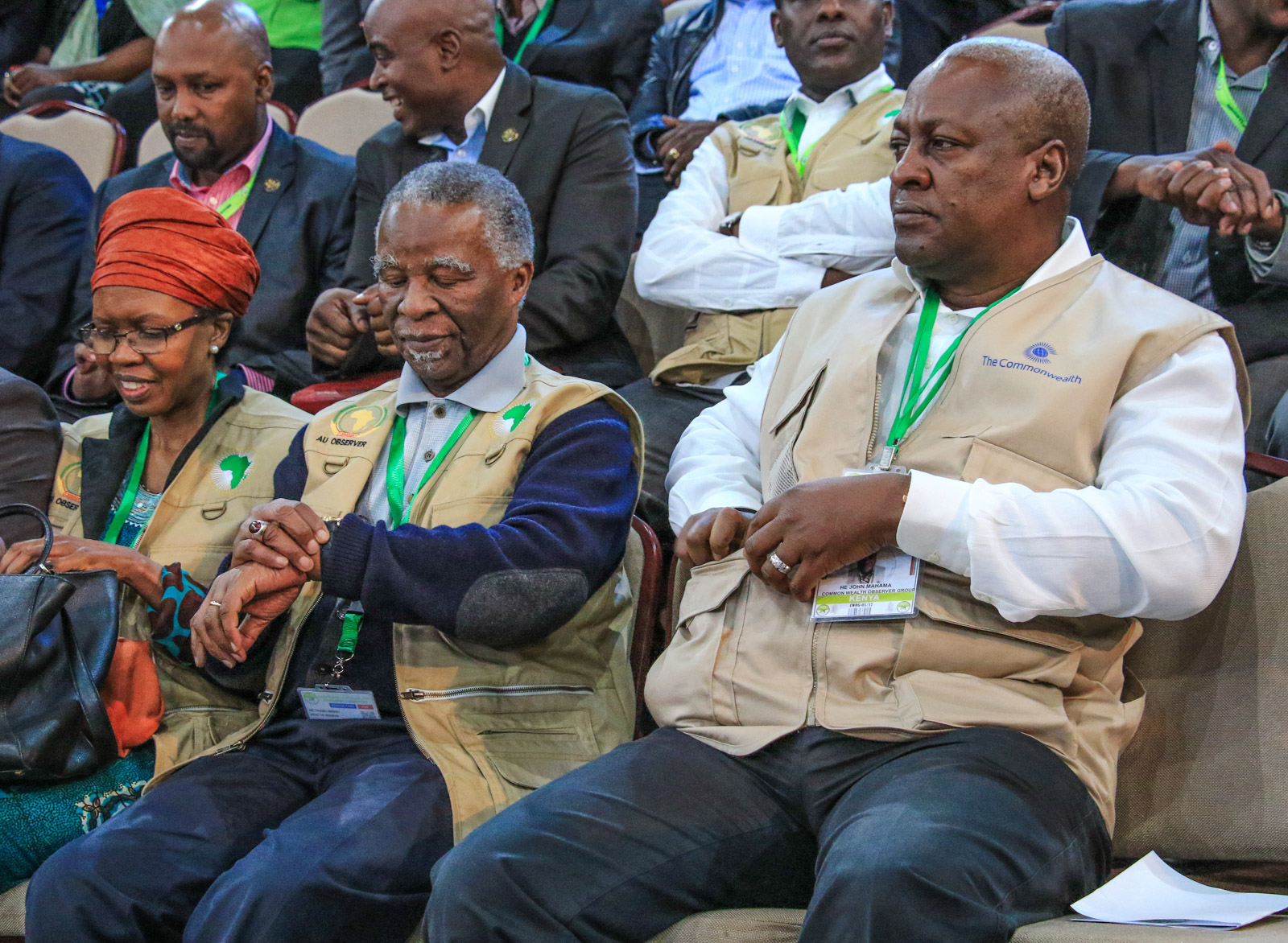
Elections in Africa often involve observers from various international groups who monitor the process and scrutinise the integrity of what is labelled “free and fair.” Their presence serves as a final, often controversial layer of hurried validation for a democratic performance that many on the ground regard with deep scepticism.
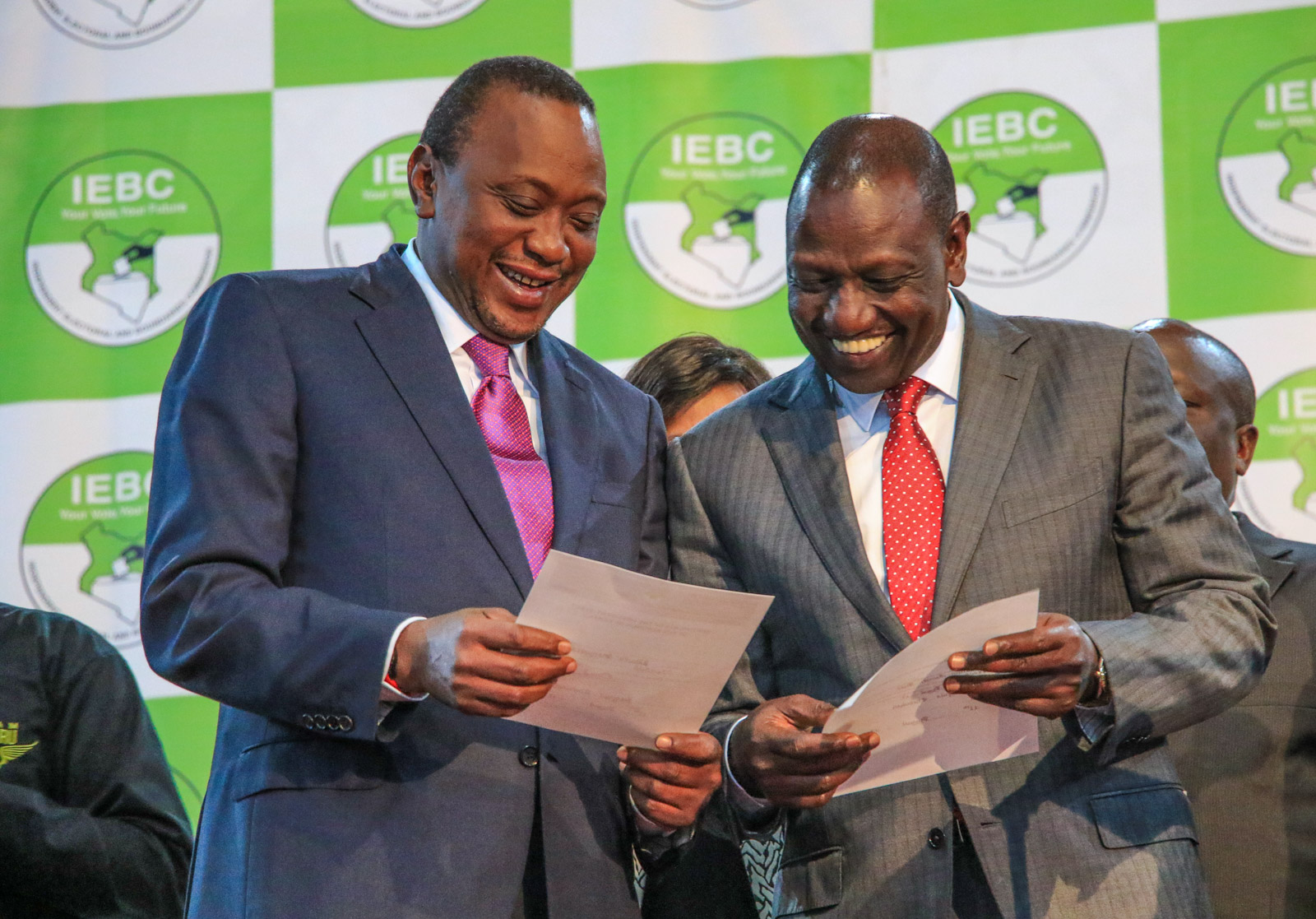
Retired Kenyan President Uhuru Kenyatta and his then deputy William Ruto celebrate their 2017 re-election, a win that opposition leader Raila Odinga decried as a product of controlled manipulation. While marketed in Brussels as successful 'electoral assistance,' for many Africans it represents a bankrolled betrayal where high-tech aid transforms elections into scripted performances that cement the grip of the powerful.
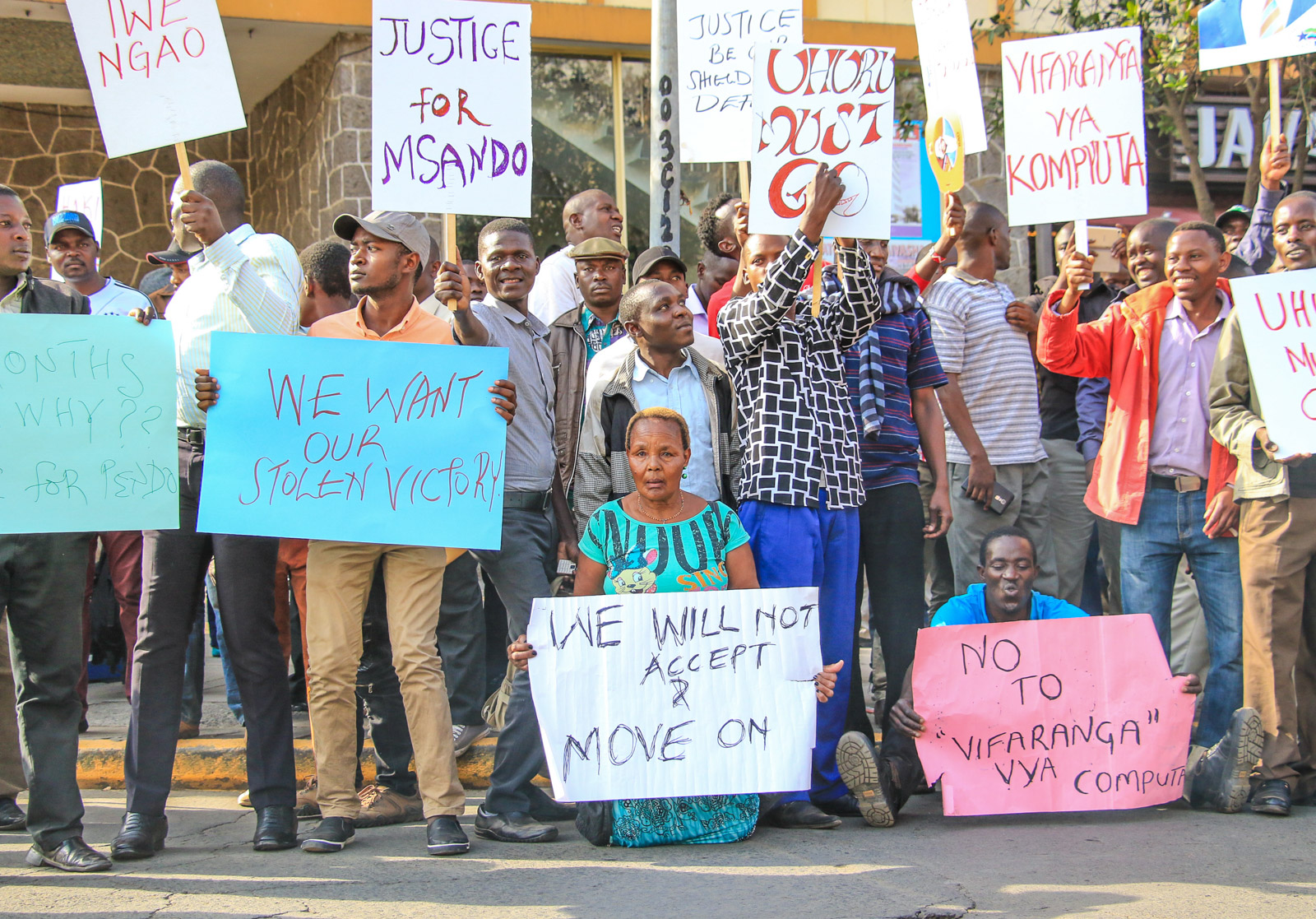
A section of active citizens rejects “Vifaranga vya Kompyuta” (computer-generated leaders) while demanding justice for the mysterious killings of electoral officials who do not play by the incumbent’s rules. This scene captures the stark disconnect of the Democracy Mirage: here, the street becomes the only space where a civil society, “left to beat in the dark,” can challenge the high-tech manipulation of their democratic will.
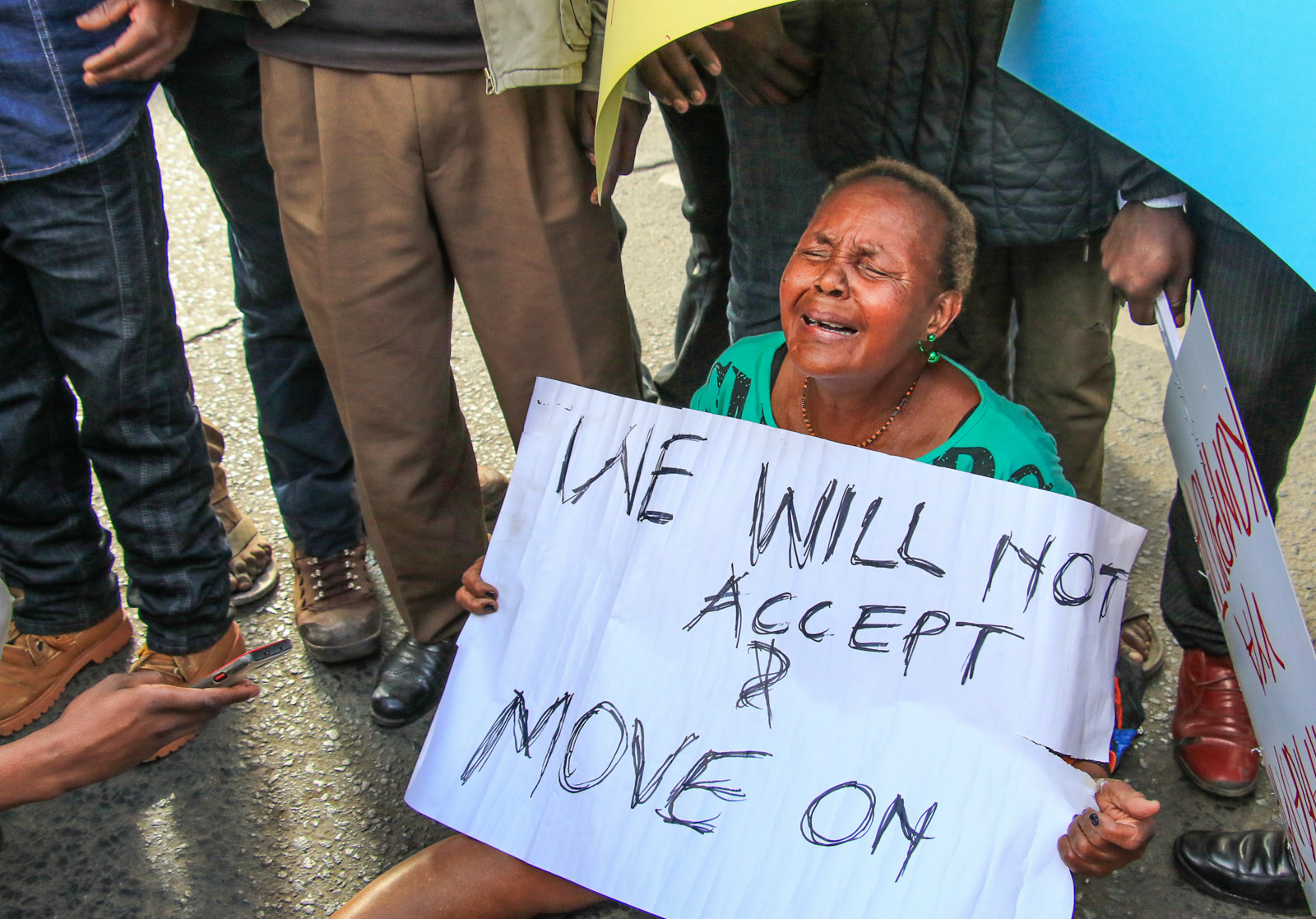
A woman takes to the streets, her placard held high in a desperate plea for justice after an election she believes was stolen. It is a familiar image across the continent: the raw, grieving face of a democracy in which the will of the people and the official result often exist in two different worlds.
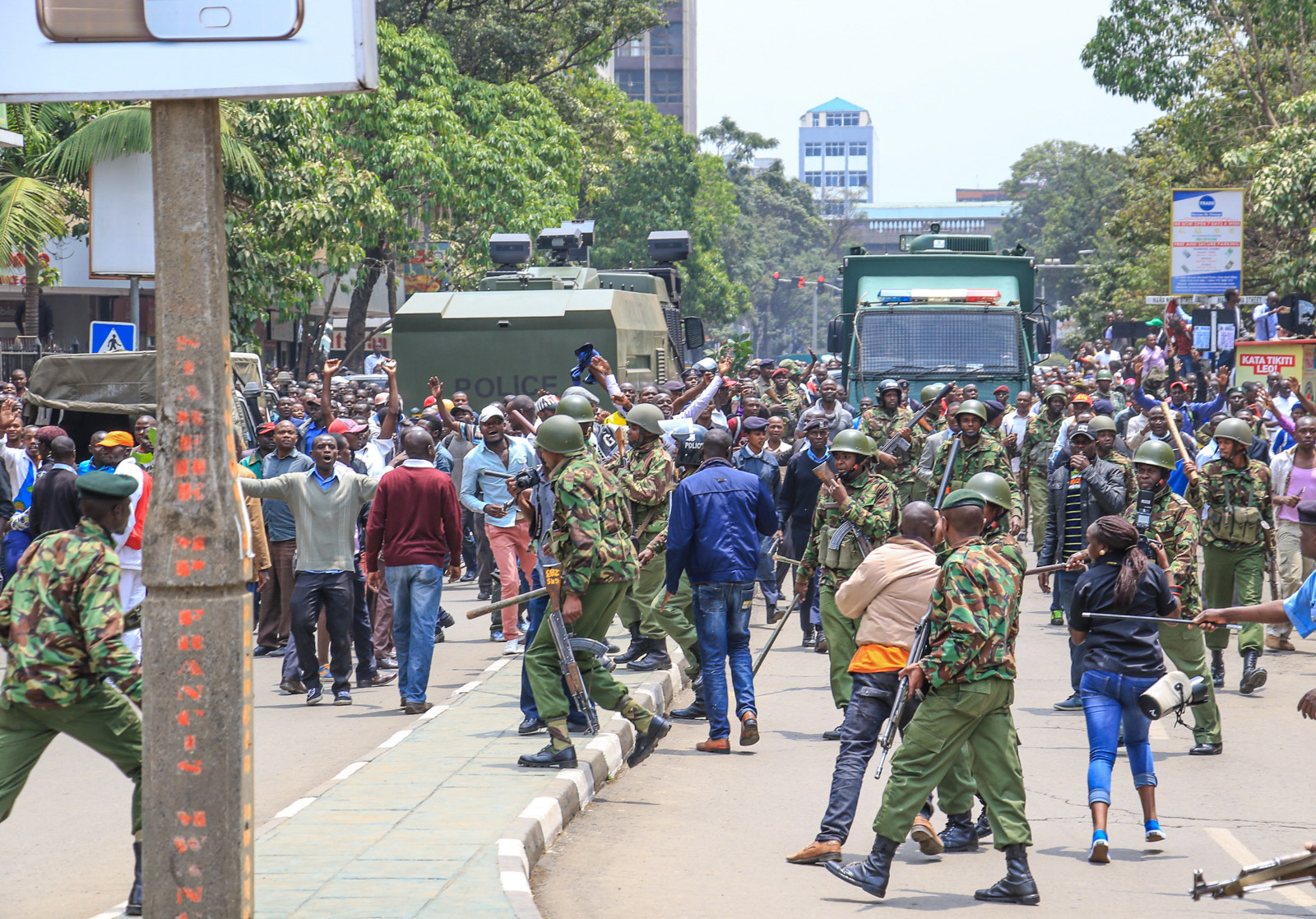
Angry citizens pour into the streets to protest what they describe as a stolen election, while the state machinery struggles to contain the rising tide of dissent. It is a volatile, recurring trend: a fracture in the democratic process that has become all too common in the aftermath of elections across the continent.
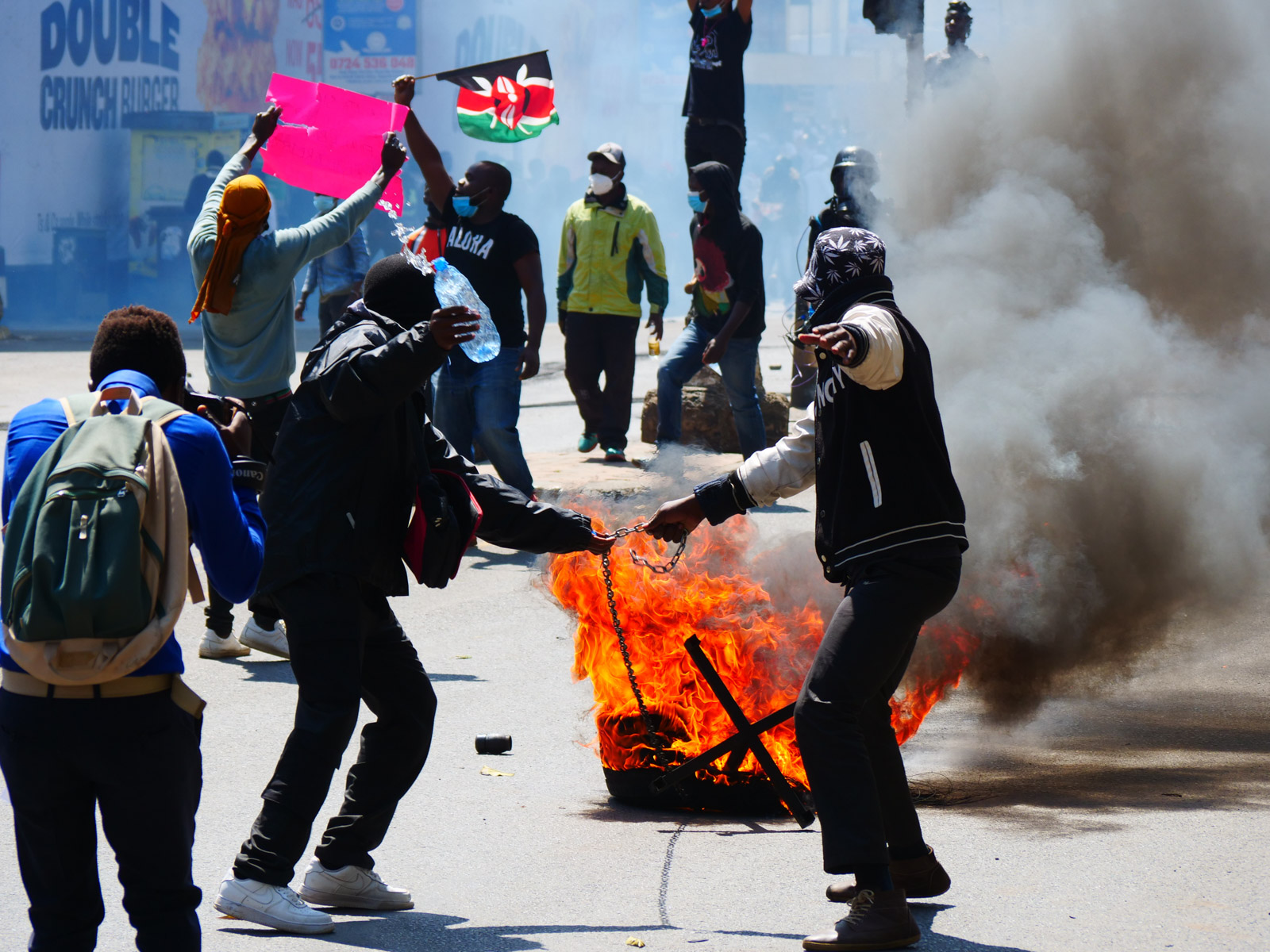
Triggered by the conviction of a stolen election, this explosion of public grief and rage has become a hauntingly familiar face of the democratic struggle across Africa.
See all the instalments in this Transnational Investigation here
Uganda | A humanitarian veneer
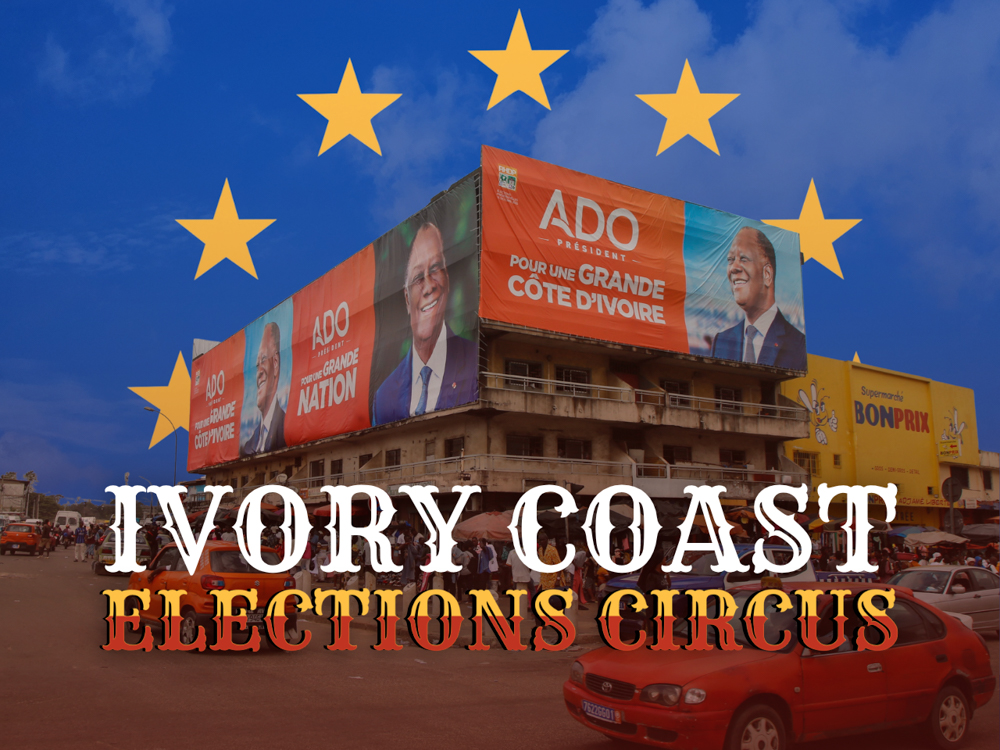
Ivory Coast | A mirage of democracy
Nigeria | Technology 0, politicians 1
Zambia | Restraint and fear
Kenya | Sound and fury
Call to Action
ZAM works towards a new equal relationship between Africa and Europe. Contribute to our mission by donating.