Farren van Wyk (b. 1993, Gqeberha, South Africa) is a South African–Dutch artist working in photography. Her first solo museum exhibition, Mixedness is my Mythology, rethinks identity through the colonial legacies of black‑and‑white analogue photography. After premiering at Paris Photo in November 2025, the exhibition comes on view at Photomuseum The Hague (4 April – 23 August 2026) in the Netherlands. In this ZAM interview, van Wyk ponders the project’s personal and historical stakes.
Thembeka Heidi Sincuba: You’re putting together a solo exhibition and a book. What does that entail?
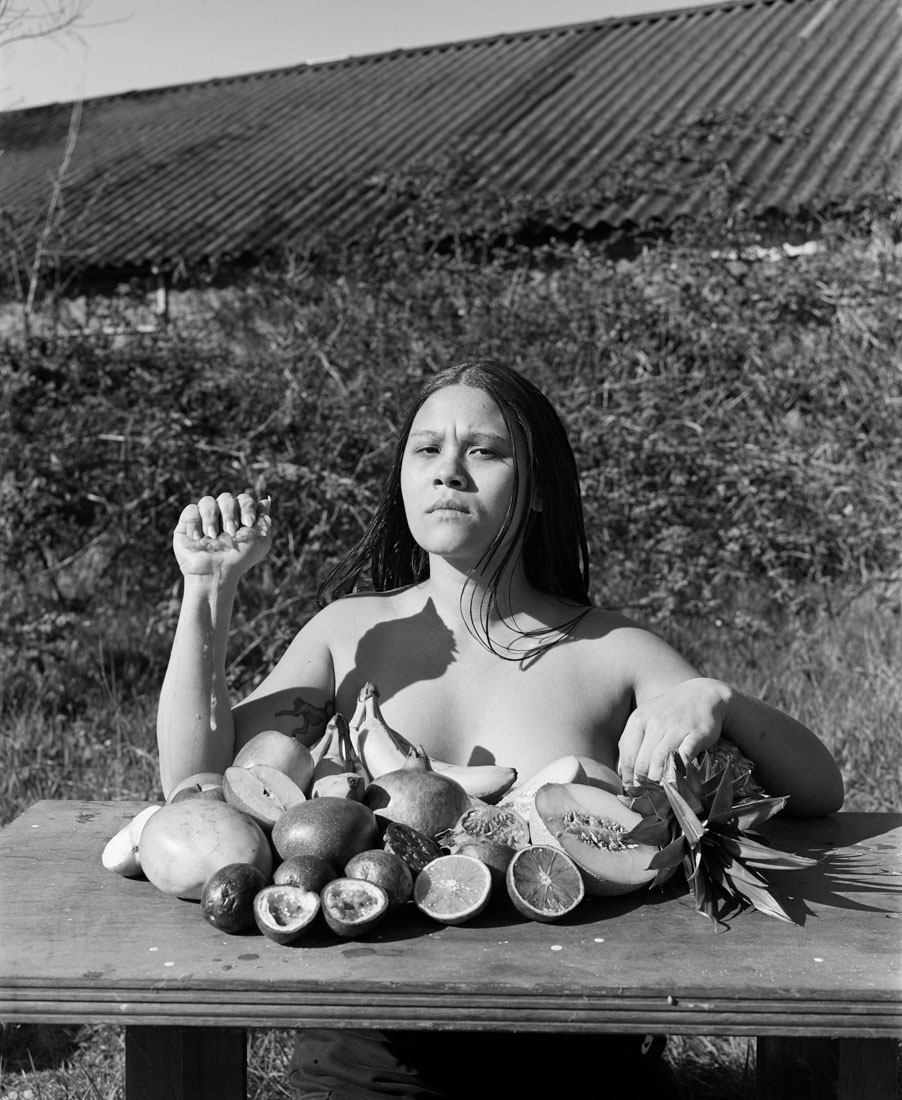
Farren van Wyk: In the exhibition, there’s a deconstructed wooden structure in the middle of the space, painted in a blood-orange tone that references social justice movements and anti-apartheid posters. We’re incorporating magazine elements, layering different textures and materials. In the book, with moments of silver reflective paper woven in, the narrative has a different sequence and energy. Even though the materials and colours are different, the essence of the work holds. It’s fascinating to see the same project take shape in these two forms, which will eventually meet at the opening. I’m seeing the work in a new light, and it’s beautiful that everything is coming together.
THS: Collaboration seems central to your practice, from your family to your publishers and curator.
FvW: I was eight when my eldest brother was born, so I’ve seen them grow up into the young men they are today, and that connection sits at the core of the work.
My publishers are two couples. The couple here in the Netherlands — one of them used to be my teacher, Petra Stavast, so I’ve known her for about fourteen years, and I met her husband, Hans Gremmen, when I graduated, so I’ve known him for ten. He was the first person who said we were going to do my first book together, and I was completely starstruck because he’s such a big deal internationally, one of the best designers of photobooks.
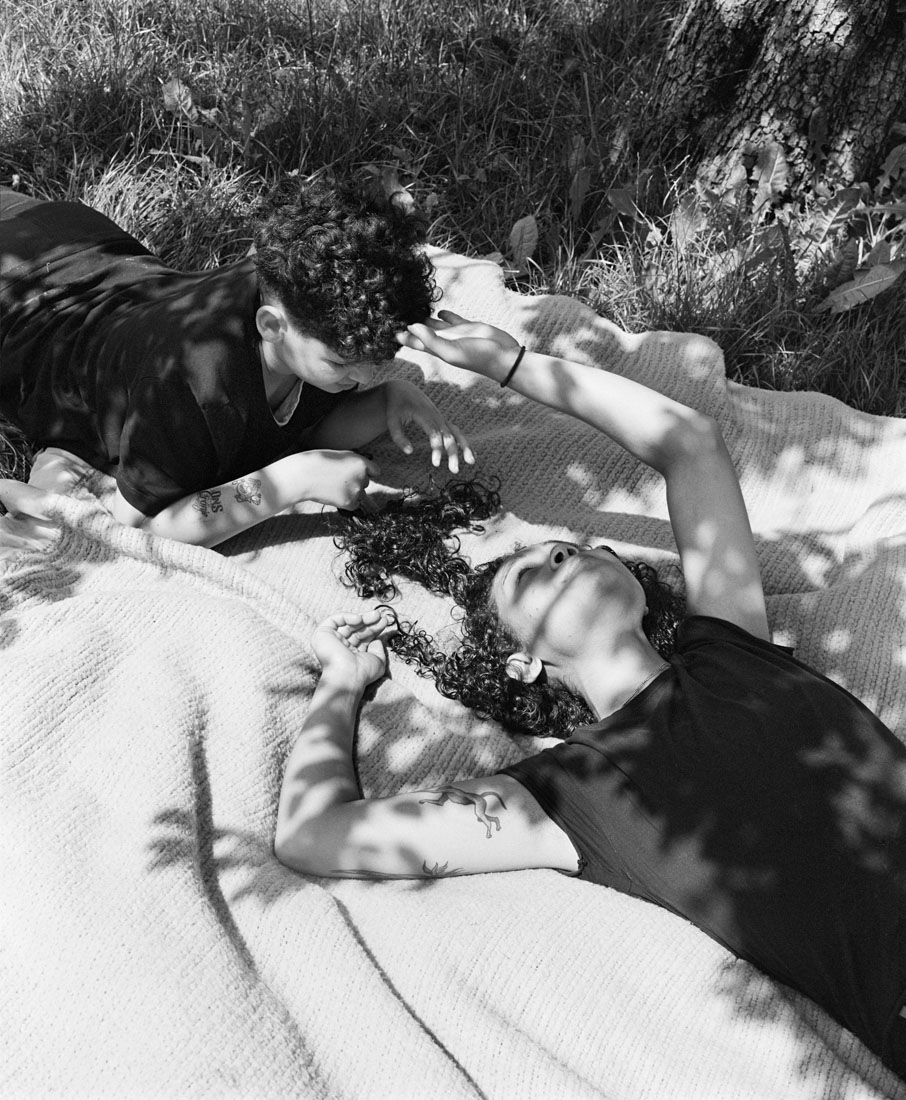
A couple of years later, she joined him fully in publishing, and that became their baby. The curator Willemijn van der Zwaan is someone I’ve known for almost six years. Having these long-standing relationships built trust, so when the solo show came up, it was easier to say yes. For me, this project is an ode to my family, a love letter to them. I wanted people around me who would understand that and take care of the work as it moves into a museum or a book.
THS: The title “Mixedness is my Mythology” is really loaded. Can you break it down for us?
FvW: My beautiful friend Julia Beth Harris came up with the title. I started the project in 2020, and around 2021 I began to sense what it was becoming and what I wanted it to do. I was trying to merge my two homes, the Netherlands and South Africa, while also learning about and understanding the very loaded histories of both. That process opened me up to feelings I didn’t know I had.
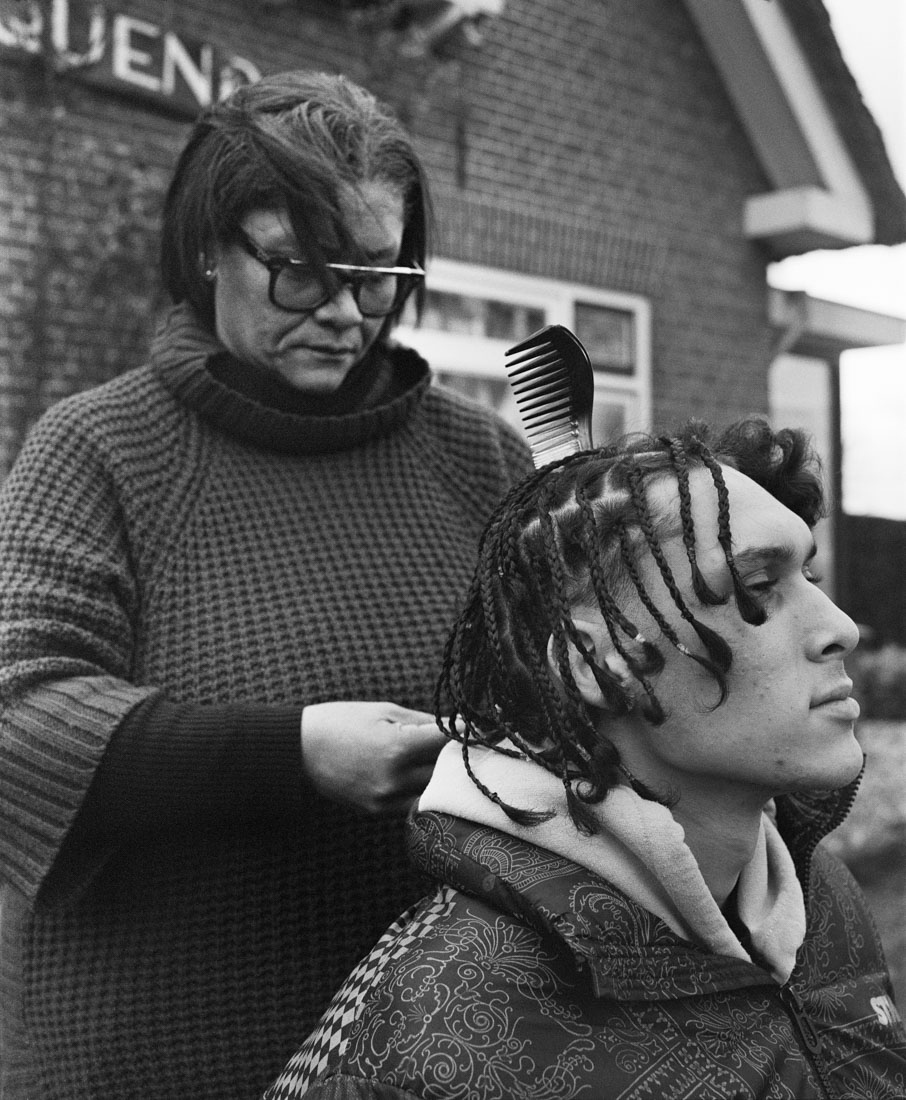
Being born in 1993 in South Africa, in the last months of apartheid, really did something to me, but I only became aware of it at 21. In the Dutch education system this history wasn’t part of the curriculum, and I didn’t have that education in South Africa either, so I always felt like something was missing. Once it surfaced, I could see how being born on colonised soil had unconsciously shaped my work, and it became a conscious thread of restlessness, anxiety, and not belonging.
On colonial ground
Being in the Netherlands, on colonial ground, like the birthplace of the VOC, was a shock to my nervous system, but it also became the start of a healing journey. I had to ask how to sit with that emotion, that energy in the body, and how to translate or move it through the camera into an image. That became one of the things that really helped me.
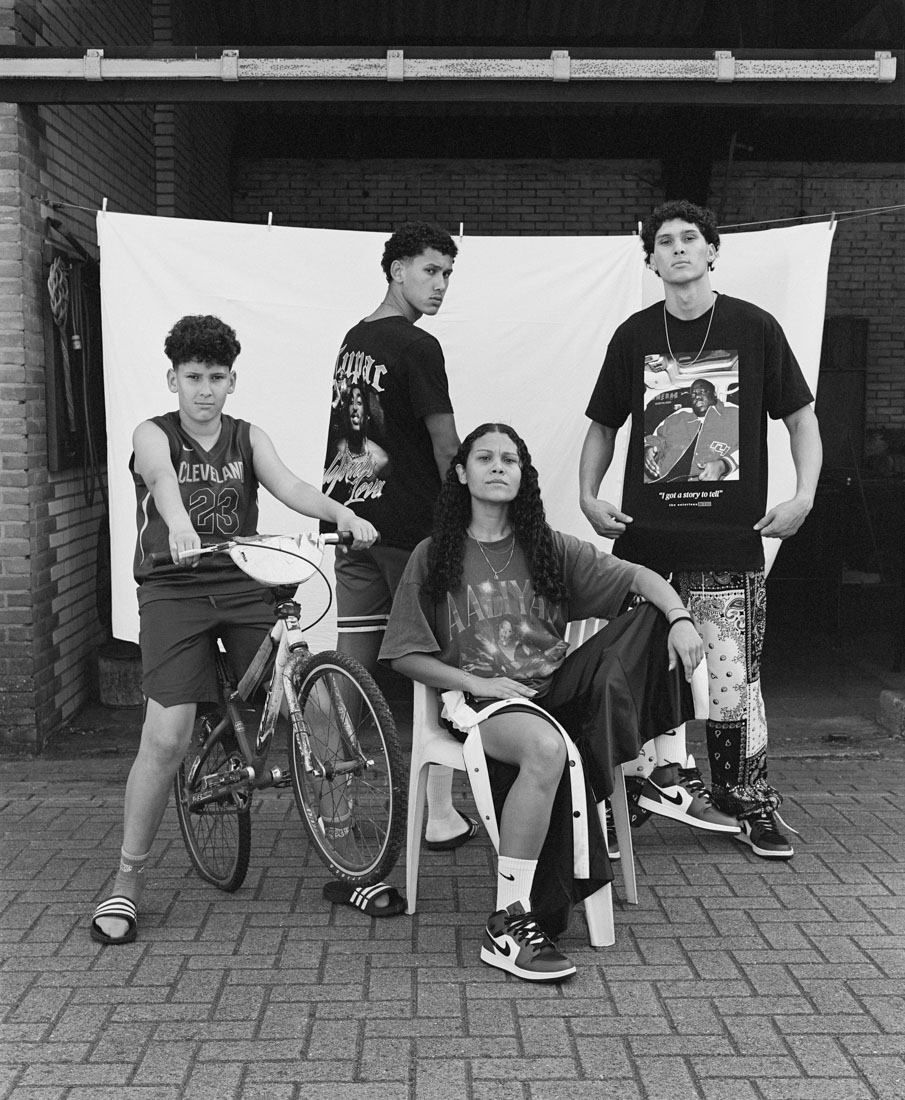
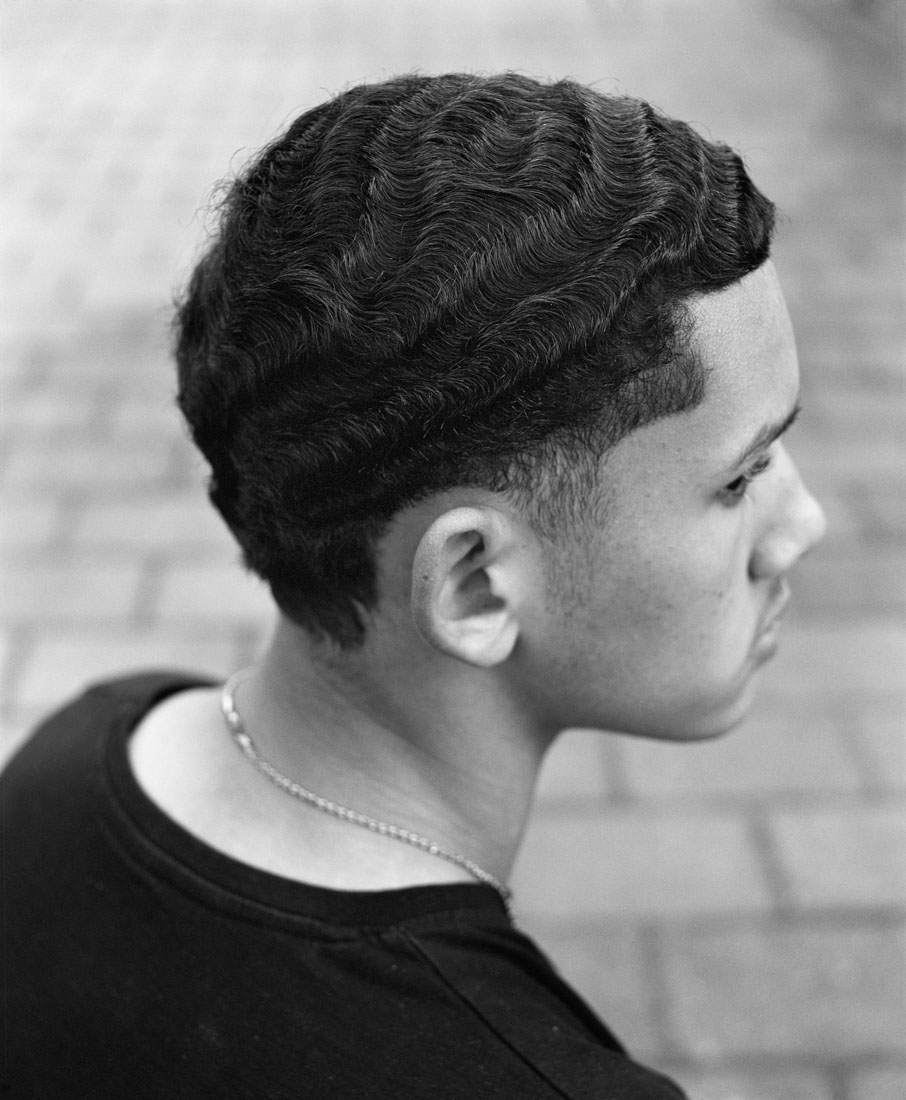
Through my research, I was finding these different layers of history and using them as puzzle pieces to build the images. At the same time, I was struggling with how to show Dutchness and South Africanness, what the tangible elements were, and what I was connecting to more deeply. It also extended beyond South African roots into the African diaspora, which my brothers feel connected to through films, basketball, durags, music, through everything that is so lived.
In the beginning, I didn’t know how to piece all of this together or formulate the core of what I was trying to do. I was creating and experimenting, weaving emotions that didn’t yet have words, and translating them through the camera. Julia Beth, as a poet, author and performer, mirrored back to me that I was creating mythologies about mixedness, and said: mixedness is my mythology.
“I was creating mythologies about mixedness”
That’s when it clicked. The title helped me structure the project on a deeper level. More puzzle pieces became visible, and the conscious choices could set in. I could really think about what mixedness is, what its mythology is, and what each image needed. In that sense, the project is also a collaboration, shaped by people who supported me, saw me, and reflected that back, helping me build it into what it is today.
THS: Can you define this idea of mixedness?
FvW: One of my anthropology teachers in the Netherlands said that the idea of what is Dutch is often constructed by referring to what they call autochthonies. In Dutch, that word is autochtoon. He said the mythology of autochthony is actually a monster birthed from the soil. It doesn’t truly exist, because we are all mixed. Humanity grows and develops through connection. People are meant to connect with each other and see themselves reflected in others. For me, I’ve always been connected to them, but now I’m showing it through images.
Mixedness is not just about skin colour or having a white father while living between the Netherlands and South Africa. Social constructs like “white” or “person of colour” are imposed. Returning to the core of connection, asking what it means, what it looks like, and how we can continue nurturing it, became central to my work.
THS: Given the camera’s role in fields like anthropology and ethnography as a tool of colonial power, how do you reclaim it to represent people with care?
FvW: I wanted a master’s degree that was about research, not just making images. At the Hogeschool voor de Kunsten Utrecht (HKU), photography is not only about producing visuals; it is about questioning everything you put into an image, using it as research, experimentation, and critique. It is about situating yourself, questioning your perspective and knowledge, and understanding how you want to position yourself. One of my teachers suggested visual anthropology. At that point, I knew very little about anthropology, but during the year-long programme, I realised what I did not want to do.
“I realised what I did not want to do”
I was constantly confronted with how white people had historically looked at people of colour, and I saw myself in those people. I thought, that is not us. That approach of being a “fly on the wall” or a detached observer never resonated with me. I wanted to be one with the people, to reconnect with my community, and to experience being a person of colour in South Africa with people of colour. After being removed from that context at six, when we moved to the Netherlands, I was searching for my roots.
Challenging stereotypes
THS: In my research, I noticed your images often being described as “beautiful”. How does that sit with your more political aims?
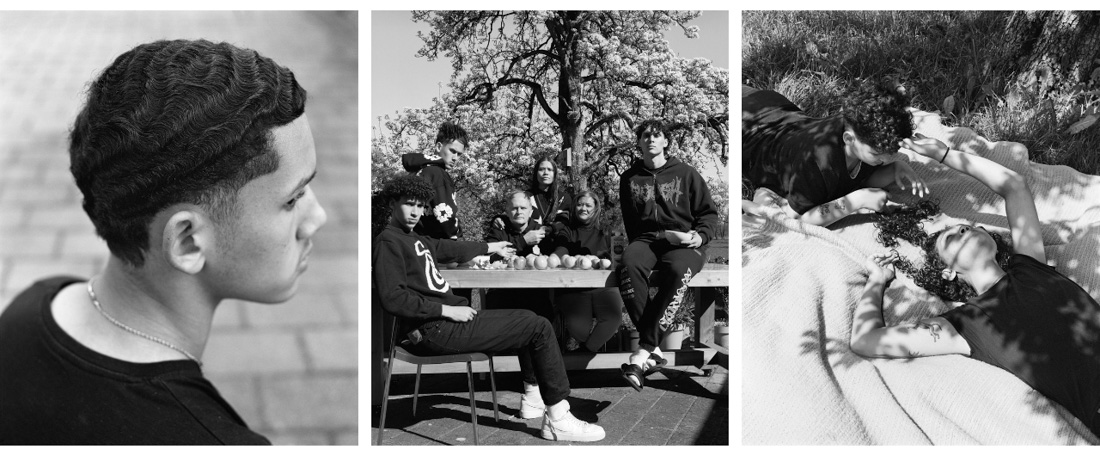
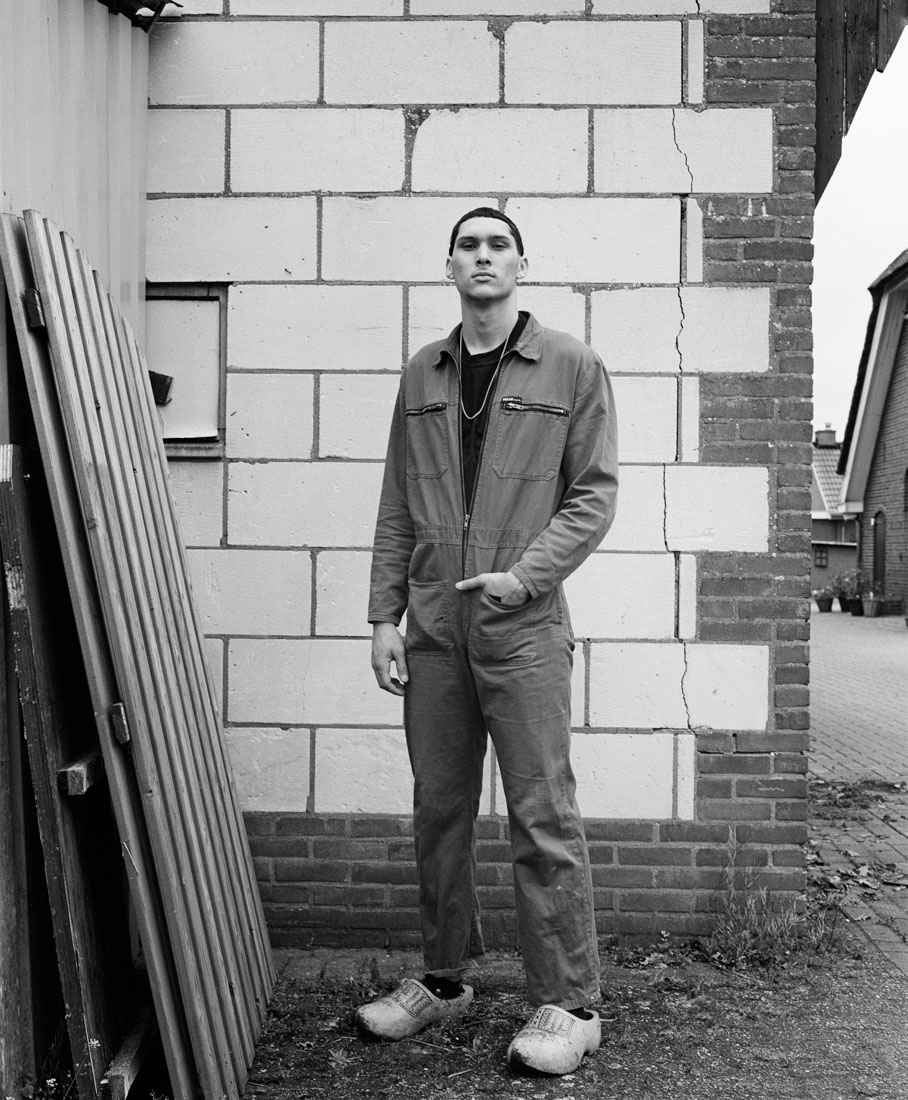
FvW: Initially, I found it frustrating that people focused on beauty rather than content. But I realised that aesthetics could be a tool, draw viewers in, then reveal deeper layers. During the pandemic, I created images for my brothers, exploring their growth and translating that beauty. The work invites the audience to first engage with the visual, then with the historical, political, and personal layers. [...] For instance, there’s an image in which my brother wears waved hair and a gold chain, but also Dutch overalls and clogs from our grandfather. He is the grandson of a farmer, and the image challenges stereotypes.
“Home is calling and I need to listen”
THS: Where do you want to take your work from here?
FvW: Over the past year, I’ve become drawn to South African flora and fauna, really connecting to it. I’ve begun photographing a project that’s slowly taking shape, which is why I want to return home. I need to be in the landscape, hear the stories. I’m in contact with Rupert Copeland, a botanist and conservator who leads tours in Cape Town and the Western Cape. Learning from him helps me see the landscape differently, understand it, and position myself within it.
I’ve also started photographing in colour, which initially freaked me out. But the fynbos and the landscape demand colour. In black and white, you only get shades of grey. The landscape is telling me, no, you are growing, you need colour. I want to spend a long period being one with the fynbos, letting it guide what I create instead of imposing what I think the camera should capture. I’m aware I don’t have all the knowledge, and after living longer in the Netherlands than in South Africa, I need to return and reconnect. That’s what’s slowly brewing now.
Home is calling, and I need to listen.
Mixedness is my Mythology is Farren van Wyk's first photobook co-published by Fw:Books (for Europe) and Deadbeat Press (for United States).
Designed by Hands Gremmen and essay by Taous Dahmani.