“Thunder away, machines of the mines, I am getting up, not chameleon-like,
I will go beneath the earth,
I will strike the rock with the boring rod;
Even you above, though you hear not a sound,
Will know that I strike with the white man's rod
When you see the trucks coming laden high
With the stones that are white and blue.”
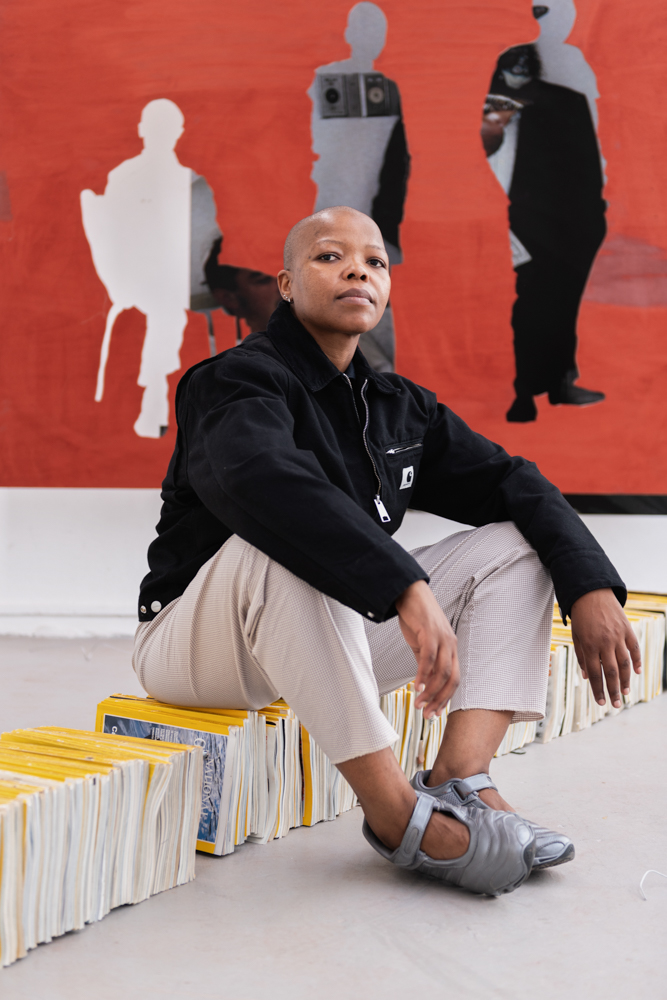
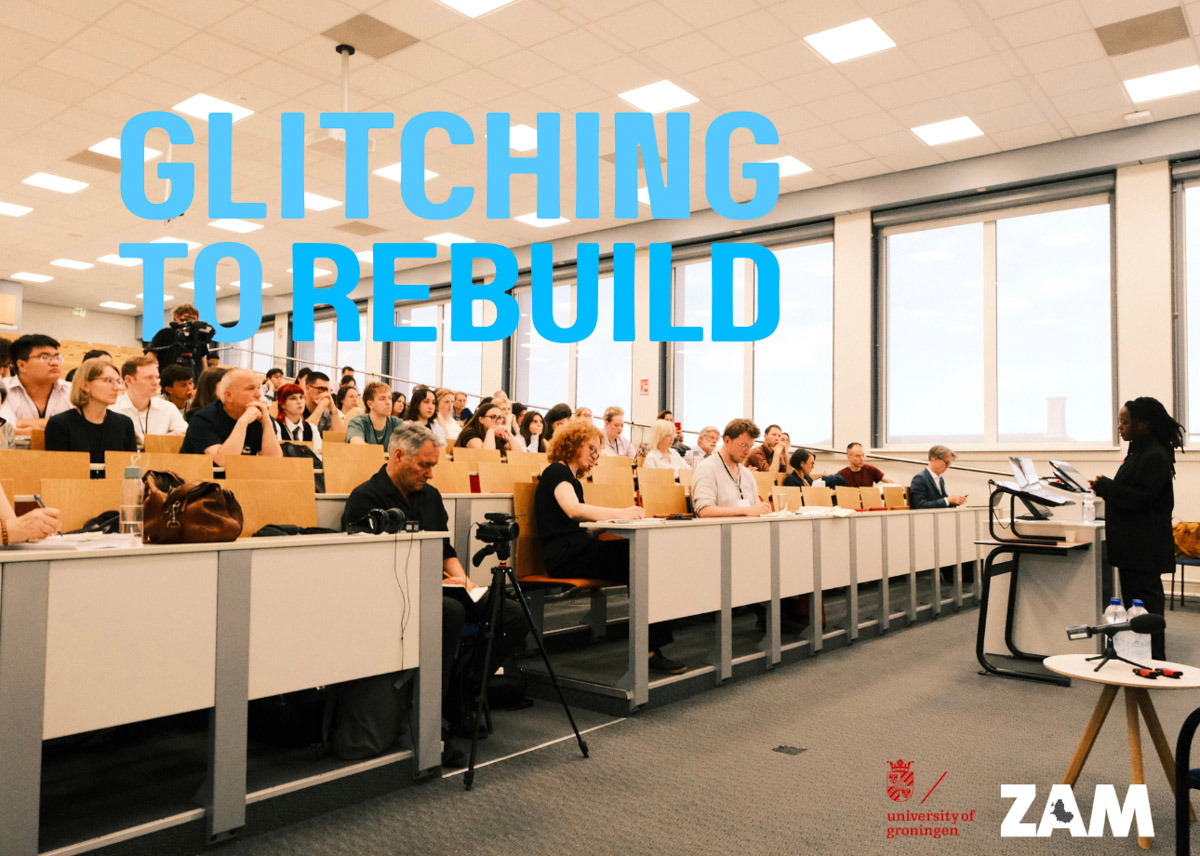
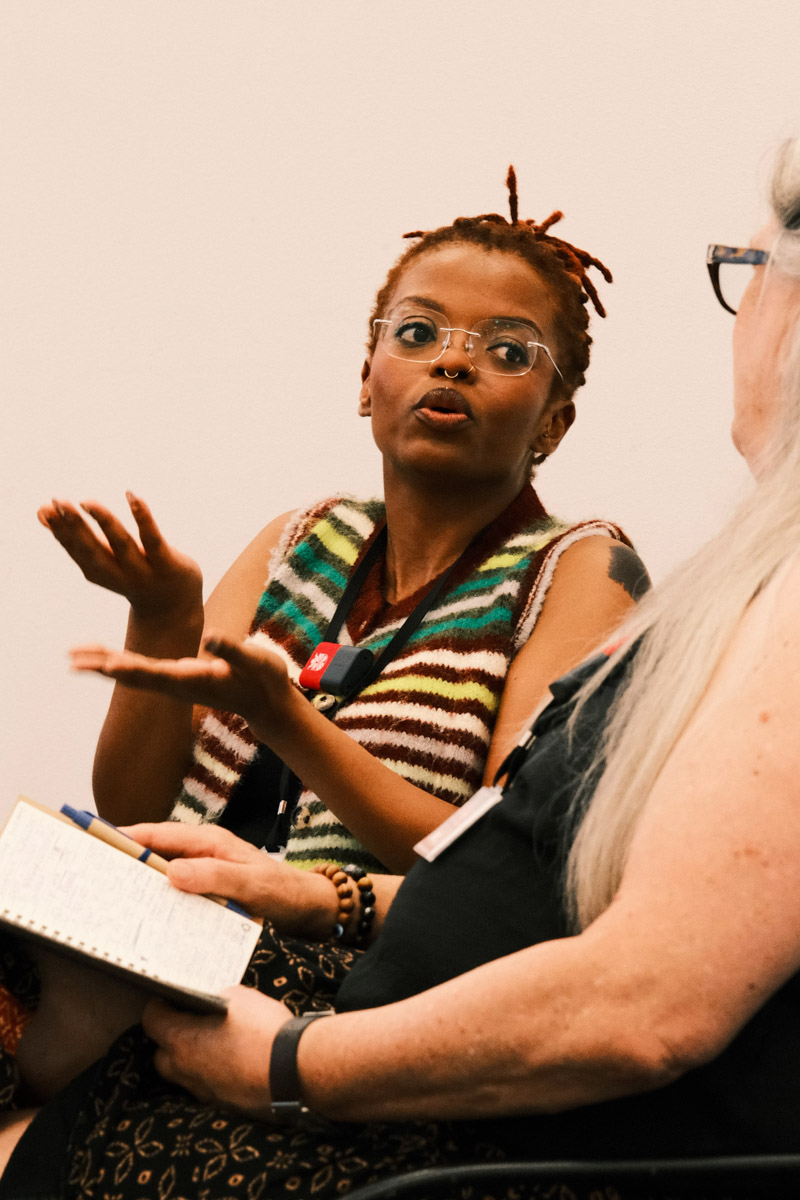
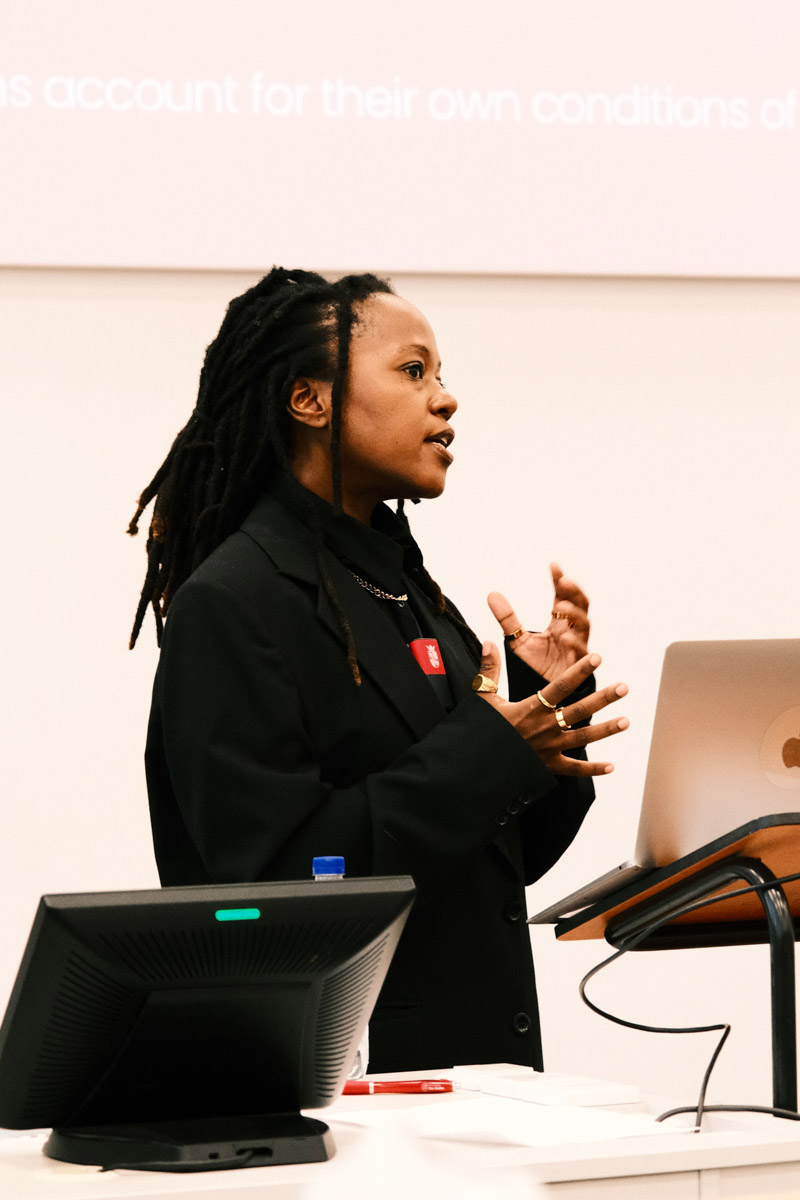
The first keynote address of the Euroculture Intensive Programme for students and scholars, hosted at the University of Groningen, has just begun. Heidi Sincuba has set the tone by reading Ezinkomponi (In the Gold Mines) by Dr B.W. Vilakazi in isiZulu, the South African language in which it was originally written. A bold and intentional move, it leaves one wondering how this relates to Euroculture and Reimagining Europe: Connectivity, Creativity and Care, the theme of the Intensive Programme, which forms part of the Erasmus Mundus Master Programme Euroculture at the University of Groningen.
An English translation is included for the purposes of this article, allowing the poem's themes to be followed by a wider audience, but the original isiZulu remains central in carrying the cultural memory and lived realities from which the poem emerges.
“To-day in the shadow of riches I have nowhere to rest my body;
My fathers' fathers' land lies bare,
With no one to till it while I sit and stare;
What though I have the means to buy And own once more my fathers' land,
I have no right to buy or own.
Look there, O Fathers above and below!
Can you not save me from such suffering?”
The decision to encounter Vilakazi's poem in isiZulu is significant: it asks the audience to engage with Europe not only through European histories and perspectives, but through voices, languages, and experiences beyond its borders. The gravity of hearing the poem in its original language is felt and applauded by the audience. It commands respect and curiosity as it is translated and unpacked. "We want students to challenge Europe and to think about the future of the world and where Europe lies as a big global player," says Sincuba. Currently, "the mineral moves more freely than the miner," and Sincuba addresses the need to "appeal to everyone who makes technology possible," and not just its consumers.
There are countless ways in which one can go about reimagining and visualising change and, as Margriet van der Waal, Chair of the Euroculture Consortium, reminds us, "Art is an incredibly effective tool in helping us unfix meaning and rehearse worlds that don't exist yet." ZAM's role as a partner in the Intensive Programme was to bring examples of practice into an academic programme. This was done by inviting myself, Phila Hillie, as a panellist, and Heidi Sincuba, the Glitching the Future project lead, to deliver the opening keynote address.
Call to action
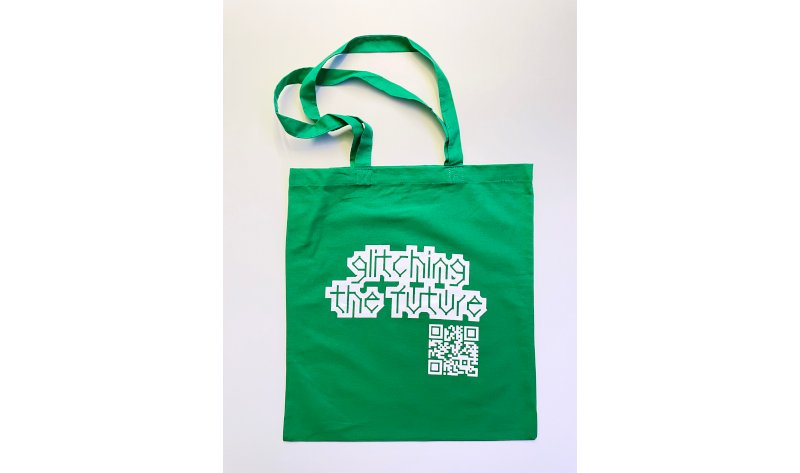
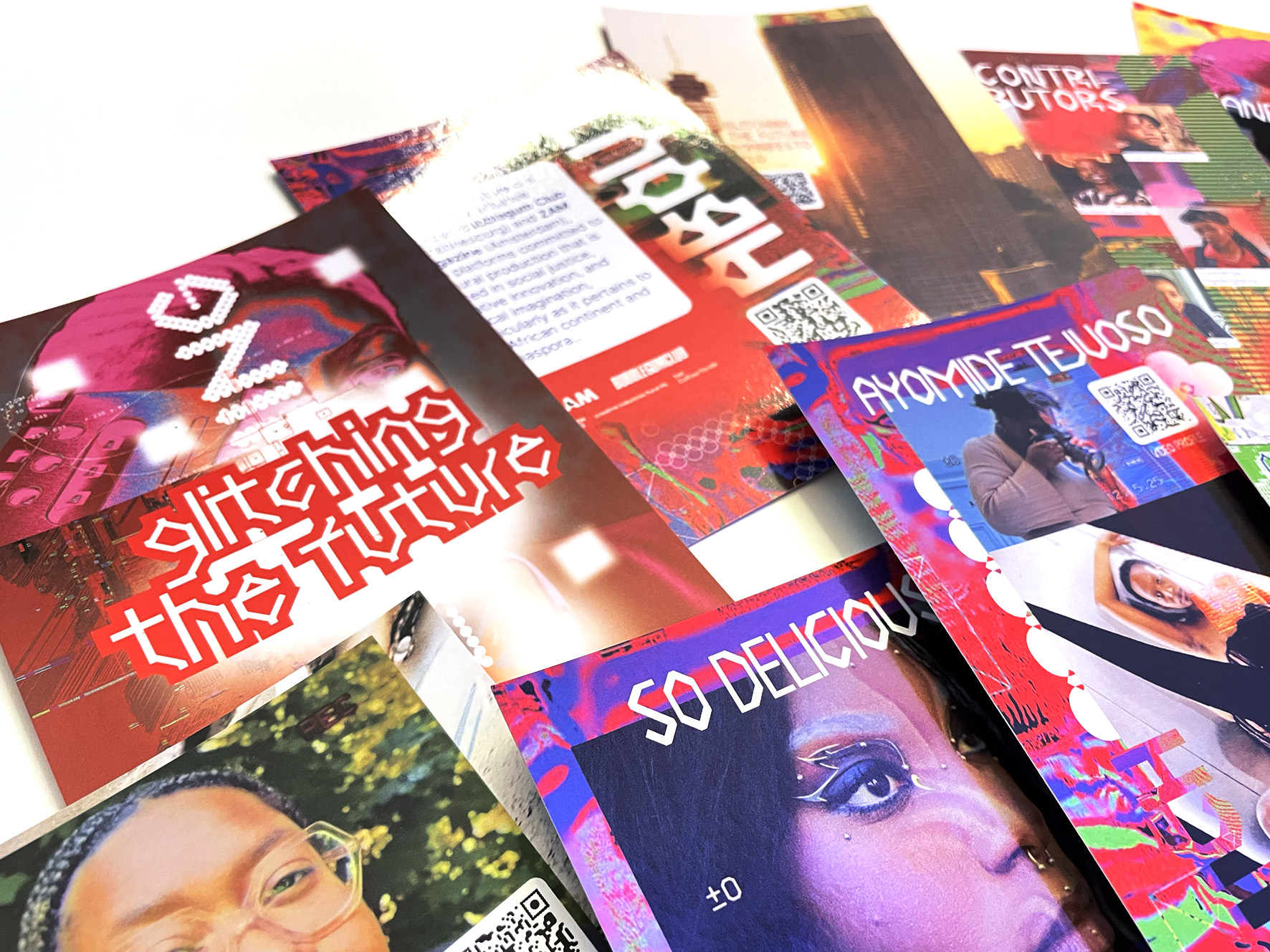
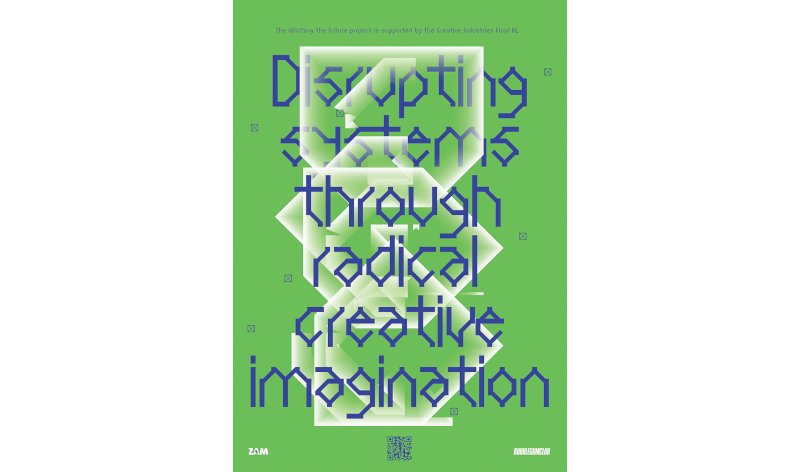
Glitching the Future (GtF) is a call to action and a challenge for the unseen and overlooked to reclaim oppressive, exclusionary spaces in digital technology and reinvent them. In 2025, ZAM launched a manifesto video that illustrated the possibilities of glitching as a method of disruption and repair. The GtF team proposed that, in order to create digital spaces and technologies rooted in care and equity, existing exclusionary systems would have to be dismantled, as they were not built to include the greater population. We introduced the creative practice of glitching as a tool for change.
The Euroculture Programme shapes the minds of Europe's future changemakers and, through our work in amplifying minoritised voices and our mission to change global systems of inequality and extraction, ZAM was able to present GtF as a means of triggering new ways of thinking, shifting perspectives, introducing alternative knowledge systems, and inspiring powerful new approaches to policy and change through digital technology and alternative practices.
“What does it mean to encounter a machine from below?”
In reference to Dr B.W. Vilakazi's poem, Sincuba asked, "What does it mean to encounter a machine from below?", boldly stating that "before technology is computational, it's extractive" and that "there is no cloud (service) without the mine". Sincuba further emphasised that "the machine is not neutral" and that "invention can be extractive".
GtF was presented as a way of triggering new thoughts, shifting perspectives, introducing alternative knowledge systems, and inspiring powerful solutions for Europe's future changemakers and policymakers. Instead of looking at invention as merely the final product, why not acknowledge the minerals from which it is made and the hands that assemble it? "Care cannot end at the interface," as Sincuba aptly puts it.
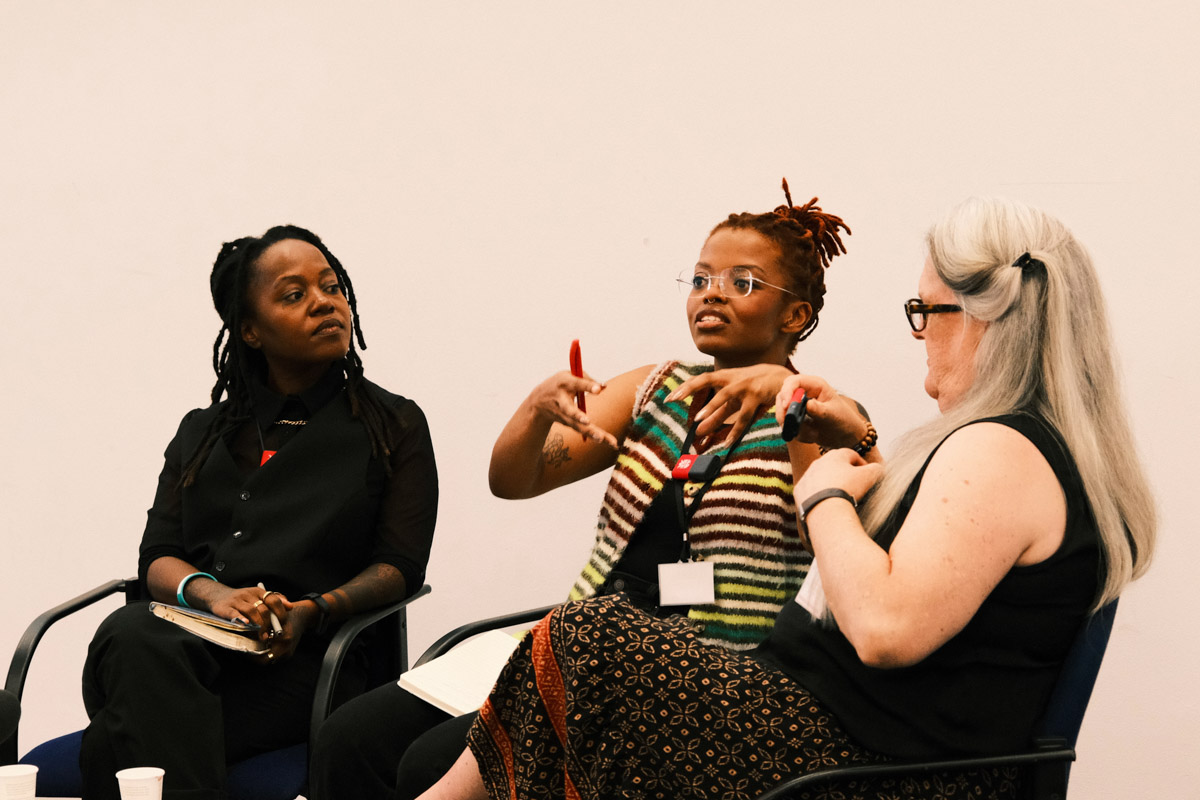
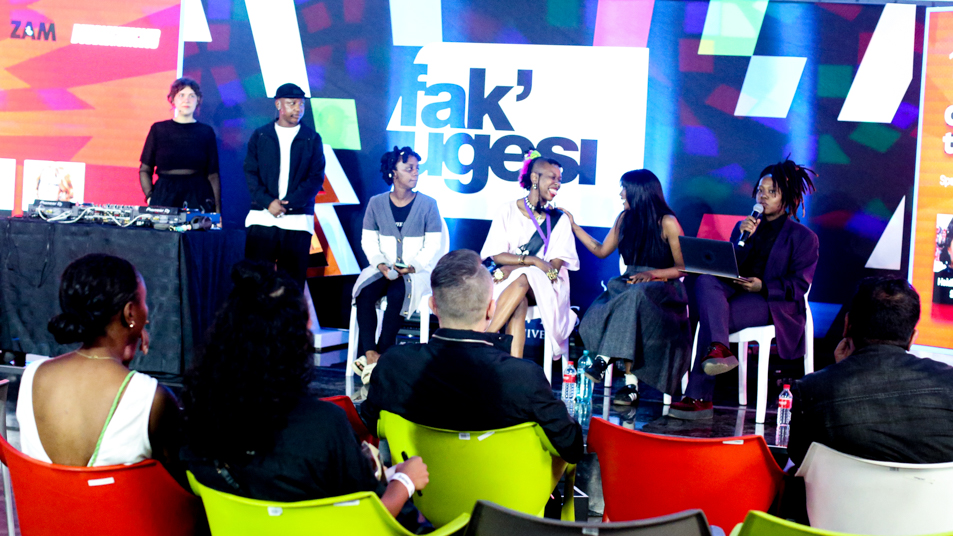
This alternative perspective on reimagining Europe was further explored in a panel discussion with Jesse van Amelsfoort (Euroculture alumnus and senior lecturer), Heidi Sincuba (artist, researcher, and lecturer), Marianne Franklin (Chair of Media, Cultural Industries and Society at the University of Groningen), and myself (digital designer and artist). The panel discussion highlighted that Europe is not one homogeneous group of people, but is made up of many different actors with diverse perspectives and points of interest that can glitch all at once.
An Afghan student asked how glitching could be used to bypass surveillance and create meaningful channels of communication, to which Franklin and Sincuba offered examples of people "hijacking" existing infrastructures, such as electrical lines, old satellite connections, and software, in order to create meaningful lines of communication and safe digital spaces. "Deploy and redeploy!" and going "rogue", as Franklin exclaimed, could be ways of revealing and redesigning systems through a decolonial lens within digital technology.
Infrastructures for care
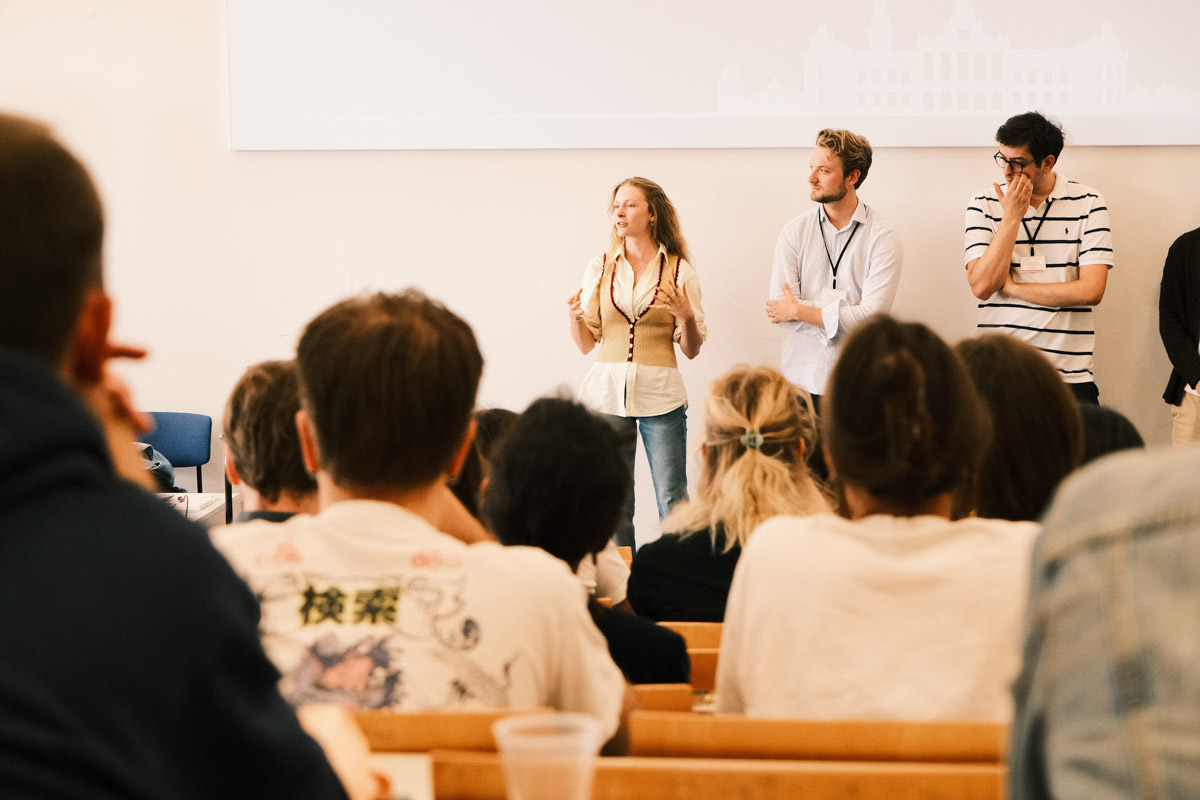
This was evident in the workshopped ideas presented by the students at the close of the five-day Intensive Programme, particularly in the Care Atlas project, a community map that highlights the different physical routes taken by EU and non-EU citizens when navigating a health, housing, or financial crisis. With Care Atlas, existing Google Maps technology was used, and the glitch lay in the customisation of the routes, making seemingly insignificant and invisible journeys visible.
Through this exercise, geographical data was given meaning, which ties back to Sincuba's point that glitching is not "anti-technology but anti-invisibility". We need to put in the work to "reveal the system" and design infrastructures of care.
Glitching is an iterative process that allows us to dismantle and rebuild in abstract and creative ways. We introduced students to a new way of identifying, understanding, and solving problems in order to imagine what a European future could be. The keynote address and panel discussion succeeded in presenting alternative knowledge systems and introducing a new creative methodology for striving towards change, while also holding Europe accountable for the systemic oppression of the African nations from which it extracts value.
The results seen in the Care Atlas demonstrate that meaningful change does not only happen at the policy level; it can also happen at the local level. Franklin states that, "If you can get to the granular stuff, then you can start doing some real research." Seeing students hack, or glitch, platforms such as Google Maps through the use of visual communication and digital technology demonstrated a shift in their approach to addressing and communicating the realities of EU and non-EU citizens.
“The future is responsive”
In the other projects resulting from the workshops, Narratives of EU, Bio-Cash, and Analysing the Connections Between Global and Local Events, we saw that collaboration and discussions around the similarities and differences between EU and non-EU perspectives were also vital. These projects emphasised that Europe cannot isolate itself from the rest of the world in its pursuit of moving forward. "The future is responsive," Margriet van der Waal reminds us, and through the "continued labour of reimagination" we can use art as a practice for communicating and implementing progressive ideas and change.
Art has always been a useful tool for understanding, communication, and resistance. It is also useful in creating a practical foundation upon which complex ideas can be built, and this was evident in the work produced during the Intensive Programme. Some of the key takeaways participants drew from GTF were that it is imperative to approach Europe and its future holistically, and to listen and respond to critique. More importantly, state actors should not be the only actors considered capable of effecting change. Non-state actors, along with their experiences and concerns, should also be championed.
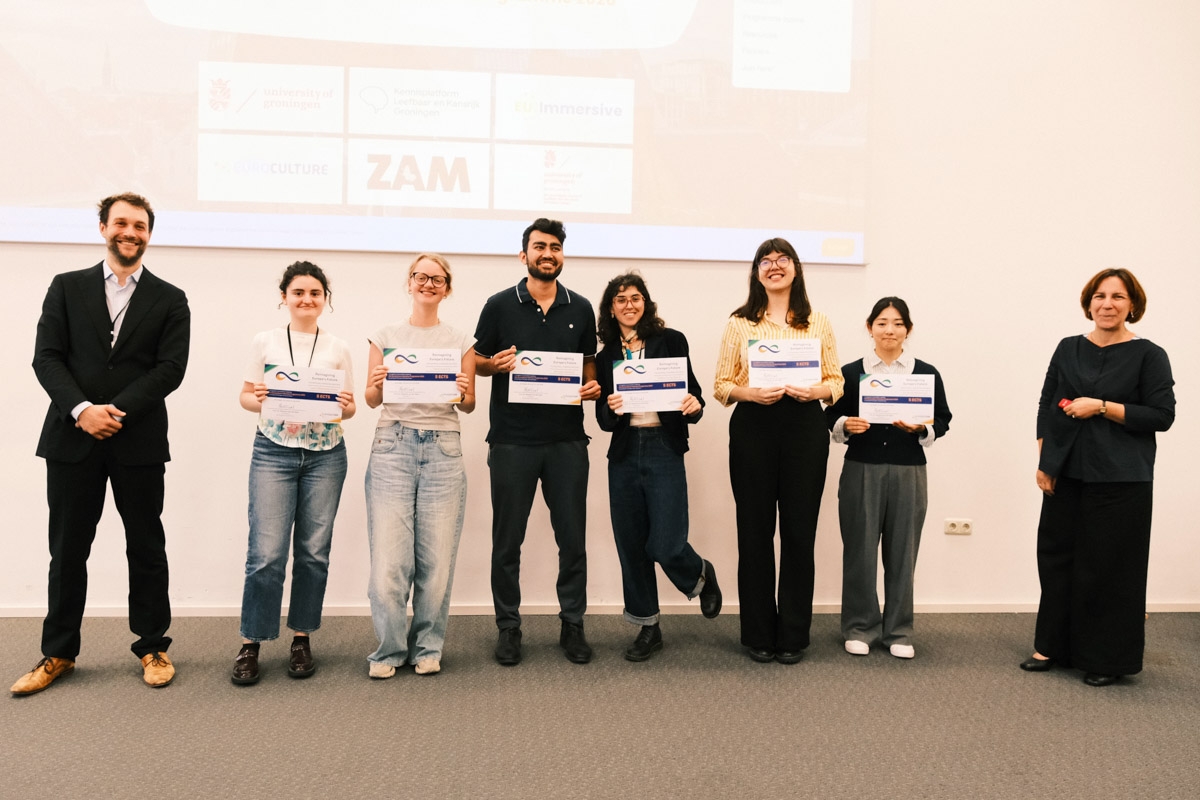
Glitching the Future challenged participants to think beyond the bounds of Europe, to confront past and existing power imbalances, and to reimagine futures through a decolonial lens. GTF also equips participants with the tools needed to take on such a bold task by introducing alternative knowledge systems and methodologies. Glitching allows us to be daring, to experiment, to repair, and to distribute the work of rebuilding Europe's future to all who have been affected. The assignment is not easy, but it was evident that the wheels had already begun turning and glitching.
Watch Heidi Sincuba, artist, academic and copy editor at ZAM, deliver her inspiring Afrofeminist keynote speech here.
Make sure to also watch the thought-provoking panel discussion held on the opening day of the Euroculture 2026 Intensive Program.
Call to Action
ZAM works towards a new equal relationship between Africa and Europe. Contribute to our mission by donating.